
Is Tirana Worth Visiting? A Complete Guide for Independent Travellers
Tirana, Albania’s colourful and energetic capital, is a city that often surprises visitors. It combines Ottoman heritage with communist landmarks which illustrate a dark period of Albania’s history. It boasts a lively social scene with trendy cafes, modern restaurants, and vibrant bars. Tirana is also a perfect base from which to explore a country that is rapidly opening up to tourists. Tirana offers a lot, but with a vast number of Balkan states competing for your attention, is Tirana worth visiting?
Yes, Tirana is worth visiting if you want to experience a capital that combines fascinating history, affordable dining, a relaxed cafe culture, and easy access to the rest of Albania. It isn’t a city with the grand architectural landmarks of Rome or Paris, and its busy traffic and rapid development can be challenging. However, those contrasts are part of what makes Tirana interesting.
Whether you’re planning a weekend, using Tirana as a starting point for exploring Albania, or looking at a three-day itinerary, this guide will answer the question, is Tirana worth visiting? It’ll explore what makes the city worth your time, the best things to do and what to consider before you visit.
The Do Not Go Gently Travel Blog uses affiliate links. If you make a purchase after clicking on one of these links, I may receive a small commission payment at no extra cost to you.
Why Is Tirana Worth Visiting?

Tirana is a destination where Albania’s past and present come together. Tirana has a deep Ottoman heritage with some stunning buildings from this era. However, it’s more famous for its dark period when the strictest form of isolationist Communism was imposed on it. To its credit, it doesn’t shy away from this period, and some of its museums give an incredibly frank insight into this era. Despite this, Tirana doesn’t dwell on the Hoxha era. The city streets are welcoming, with a mixture of historical buildings, colourful modern architecture, busy commercial areas, and green public spaces.
There are many reasons to include Tirana in your travel plans.
- History: Explore Ottoman heritage, communist-era buildings and museums documenting Albania’s turbulent twentieth century.
- Culture: Experience Albanian food, music, cafes, and everyday life in the country’s largest city.
- Affordability: Tirana offers good value compared with many Western European capitals, although prices vary considerably.
- Accessibility: The city is a useful base for exploring nearby attractions and travelling onwards to other parts of Albania.
- Walkable central attractions: Many of the main sights are concentrated around Skanderbeg Square and the city centre.
Tirana doesn’t have a traditional old town like Europe’s, but its evolving character sets it apart.
Things to do which Make Tirana worth Visiting
Explore Skanderbeg Square

Albania’s national hero, Gjergj Kastrioti Skanderbeg, gave his name to Tirana’s main square. Skanderbeg was a military leader who successfully fought the all-powerful Ottoman Empire. The square is a broad pedestrian area surrounded by important landmarks and public buildings.
- The Skanderbeg Monument.
- Et’hem Bey Mosque.
- The Clock Tower.
- National History Museum building, subject to its operational status.
- Government and cultural buildings surrounding the square.
The square has undergone substantial redevelopment and is now one of the city’s principal public spaces. Its open design makes it a useful place to orientate yourself before exploring the surrounding streets. It is the perfect spot to begin your exploration of Tirana.
Its focal point is a statue of Skanderbeg on horseback, while nearby buildings provide a glimpse into Albania’s national identity and political history.
What can you see around the square?
The square is perfect for people-watching in the late afternoon when residents gather, children play, and cafes become busier. Take a coffee in the cafe of the Opera House and watch the locals go about their business.
Pro Tip: Central Tirana is relatively easy to explore on foot, but allow extra time for crossing roads and navigating busy traffic outside pedestrianised areas. Driving in Albania is a contact sport, and pedestrians are considered an unwelcome distraction.
Discover Albania’s Ottoman Heritage

Although Tirana is a modernising capital, its skyline, its Ottoman heritage remains visible in the city centre.
The Et’hem Bey Mosque is one of the most important historic buildings around Skanderbeg Square. Construction began in the late eighteenth century and continued into the early nineteenth century. The mosque is noted for its decorative artwork and its place in Albania’s religious and cultural history.
The nearby Clock Tower is another recognisable landmark. Built during the Ottoman period, it has become an enduring symbol of Tirana.
Visiting these landmarks allows an understanding of a different side of Tirana, beyond its communist history and contemporary cafes.
What should older travellers consider?
Access arrangements, opening hours and visitor requirements can change. If you wish to enter the mosque, check the current visiting arrangements and dress respectfully.
The central area is convenient for sightseeing, although the square and surrounding streets can become busy. Comfortable footwear is useful, particularly if you plan to combine the historic sites with a longer walking tour.
Learn About Albania’s Communist Past
One of the most compelling reasons to visit Tirana is the opportunity to understand Albania’s communist past.
Under Enver Hoxha, Albania developed an exceptionally isolated communist system. He broke off relations with the Soviet Union and China, as he didn’t consider them communist enough! This period in the country’s history still shapes its politics, architecture, public places, and national identity.
For travellers interested in history, Tirana offers several places where this period can be explored.
Bunk’Art 2
Located near the city centre, Bunk’Art 2 is a museum housed in a former nuclear bunker. Bunk’Art 2 focuses on the history of Albania’s Ministry of Internal Affairs, political persecution, and the experiences of people who lived under the regime.
The museum is quite graphic and can be emotionally challenging. It presents material relating to surveillance, imprisonment and repression, so it is worth allowing enough time to absorb the exhibitions.
House of Leaves

The House of Leaves, also known as the Museum of Secret Surveillance, examines the work of Albania’s former surveillance apparatus.
The museum is relevant if you are interested in how authoritarian governments used intelligence gathering and monitoring to control society. Ironically, visitors cannot take photographs inside the museum.
Why visit these museums?
The influence of this era on Albanian culture is crucial to understanding modern Albania. Even though Tirana is a vibrant city, the shadow of its past lies heavy. A walking tour guide pointed out some people ahead. They, for no apparent reason, had crossed the road. “That building used to be the Secret Police HQ. They still won’t walk past it.”
The museums explain why modern Tirana looks and feels the way it does. The city’s transformation is easier to understand when you have learned about the political system that shaped Albania for much of the twentieth century.
Check current opening arrangements before visiting, as museum hours, exhibitions, and access conditions can change.
Take the Dajti Ekspres Cable Car

If you want to escape the busy streets of Tirana, a trip up Mount Dajti is an excellent addition to your itinerary.
The Dajti Ekspres cable car connects the outskirts of Tirana with the slopes of Mount Dajti, offering panoramic views across the city and the surrounding landscape. The cable car is the longest in the Balkans, and the journey itself is part of the experience. The bustling city gradually gives way to greener hills and mountain scenery. This video shows you how to get there by bus!
At the top, you can enjoy views, take a walk and spend time in a different environment from the urban centre.
Why is Mount Dajti worth visiting?
For independent travellers, the mountain offers a change of pace. After spending a morning exploring museums and historic streets, a few hours surrounded by nature can be a welcome break.
It is also a good option if you enjoy photography or want to see how Tirana fits into its wider geographical setting.
Get the bus to the cable car station. This YouTube video explains how!
Planning considerations:
- Check cable car operating days and times before travelling (it is closed on Tuesdays for maintenance).
- Weather conditions can affect mountain views and the experience at the top.
- Wear suitable footwear if you intend to walk beyond the main visitor facilities.
- Allow sufficient time for travelling to and from the cable car station.
Mount Dajti can be visited as a half-day trip, although you may prefer a longer visit if you want to enjoy the mountain at a relaxed pace.
Experience Tirana’s Cafe Culture
One of the most enjoyable aspects of Tirana is its cafe culture. Albania runs on caffeine, and the city is full of coffee shops.
You don’t need to plan an elaborate activity to enjoy Tirana. Finding a comfortable cafe, ordering a coffee, and watching everyday life unfold can be a rewarding way to spend an afternoon.
The Blloku neighbourhood is particularly well known for its restaurants, bars and cafes. This area used to be an enclave that only the political elite could enter. Now, the people of Tirana have taken it back. The area has become one of Tirana’s most popular entertainment and dining districts.
Today, Blloku offers a mixture of contemporary venues and busy streets, making it an interesting place to explore after sightseeing.
Is Blloku suitable for older travellers?
It depends on the time of day and your preferences. Some venues are lively and attract a younger crowd, particularly in the evening. During the day, however, the area can be suitable for a leisurely meal or coffee.
Look for seating that suits you and remember that some streets can be busy with traffic and pedestrians.
For travellers who prefer a quieter atmosphere, explore cafes away from the busiest entertainment streets or visit during the daytime.
Try Traditional Albanian Food
Food is another reason Tirana deserves a place on your Albania itinerary.
Albanian cuisine is a melting pot of culinary styles. Its history as a trading crossroads between the Ottoman Empire and Mediterranean cultures has led to it absorbing cuisine from many nations. Traditional dishes often include vegetables, dairy products, meat, bread, and seasonal ingredients.
Dishes to try in Tirana

You will find both traditional Albanian restaurants and modern establishments serving international cuisine.
Byrek: A savoury pastry made with thin layers of dough and fillings such as cheese, spinach or meat. It is a practical choice for a quick meal or snack.
Tavë kosi: A traditional Albanian dish made with lamb, yoghurt and eggs. It is particularly associated with Albanian home cooking.
Fërgesë: A dish commonly prepared with peppers, tomatoes and cheese, sometimes with meat. Recipes vary between regions and restaurants.
Qoftë: Albanian meatballs or meat patties, often seasoned with onion and herbs. Usually served with a red pepper dipping sauce
Grilled meats: Albania has a strong tradition of grilled meat, often served with vegetables, bread and salads.
Baklava: A sweet pastry made with layers of filo, nuts and syrup, reflecting the region’s Ottoman culinary influences.
Tirana is also a useful place to sample regional dishes from across Albania, particularly if you are not travelling extensively around the country.
Eating out as a solo traveller
Restaurants and cafes are a great way to experience the city. If you prefer to eat early, you may find it easier to get a table and enjoy a quieter atmosphere.
Prices vary according to the restaurant, location and ingredients. Don’t assume that every venue is inexpensive simply because Albania can offer good value overall.
Visit Tirana’s Parks and Green Spaces
Is Tirana worth visiting? Yes. Tirana is not only about museums, traffic and busy streets. The city also has green spaces where you can slow down and enjoy some fresh air.
The Grand Park of Tirana, around the artificial lake, is one of the city’s best-known recreational areas. It provides walking paths, open spaces and opportunities to escape the intensity of the city centre.
A visit to the park can be particularly appealing if you are spending several days in Tirana and want to balance sightseeing with rest. I visited in high summer, with the temperature topping 40 degrees. This park was a godsend!
How to enjoy the park:
- Take a relaxed walk around the lake.
- Find a bench and enjoy the surroundings.
- Visit during the morning or late afternoon for a more comfortable walking experience.
- The park has several cafes and restaurants for food and drink.
The park’s paths and facilities may vary in condition, so choose a route that suits your mobility and footwear. Despite its being a pleasant park, the pollution in the lake makes it unsuitable for swimming.
For older independent travellers, this kind of flexible activity can be useful. You can spend as much or as little time as you wish without having to follow a fixed sightseeing schedule.
Explore the New Bazaar
The New Bazaar, or Pazari i Ri, is another interesting area to visit in Tirana.
The neighbourhood has developed into a lively destination for food, markets and socialising. It provides a different atmosphere from the monumental buildings around Skanderbeg Square and the entertainment-focused streets of Blloku. It’s particularly good at the weekend when local families come here to walk and hang out.
Markets and food venues make this a good place to explore at a relaxed pace, particularly if you want to experience more of the city’s everyday character.
Depending on the season and time of day, you may find fresh produce, food stalls and restaurants.
Why visit the New Bazaar?
It offers an opportunity to combine food and culture. Rather than simply visiting a landmark, you can spend time observing local life and trying something different.
For photographers, the area may also provide opportunities to capture details of the market, architecture and street activity.
As with other parts of Tirana, the experience can vary according to the time of day. If you prefer a less crowded visit, consider arriving earlier.
Take a Day Trip from Tirana
Tirana is worth considering as a base for exploring other attractions in central Albania. If you have three or more days, a day trip can add variety to your visit.
Krujë
Krujë is a historic town associated with Skanderbeg, Albania’s national hero. It is famous for its castle, historic sites, and traditional bazaar.
A visit to Krujë can complement your time in Tirana, especially if you are interested in Albanian national history.
An ethnographic museum has opened here recently.
The town is built on a hillside, so some routes involve inclines and uneven surfaces. Plan your visit around your walking ability and consider using transport for parts of the journey if available.
Durrës

Durrës is Albania’s second-largest city and a fascinating destination for travellers interested in history, culture and the seaside.
It’s especially interesting for its Roman remains. The city boasts an impressive Roman amphitheatre, it also has a 15th century Venetian tower. Relax on its sandy beaches, explore the archaeological museum or enjoy fresh seafood at a local restaurant.
Its combination of historical attractions, Mediterranean atmosphere and easy connections to Tirana makes it a worthwhile stop on any Albanian itinerary.
Petrelë Castle
Petrelë Castle is located south of Tirana and offers a different type of historical experience. The castle sits on elevated ground and is associated with Albania’s medieval history.
It can be an option for travellers who want a shorter excursion outside the city. Check transport arrangements and opening conditions before travelling.
How many days should you spend in Tirana?
For many visitors, two or three full days in Tirana provides enough time to explore the main attractions without rushing.
If you intend to visit Mount Dajti, museums and a nearby town, allow extra time. Tirana is also a practical place to start or finish a longer Albanian journey.
Understand Tirana’s Modern Identity
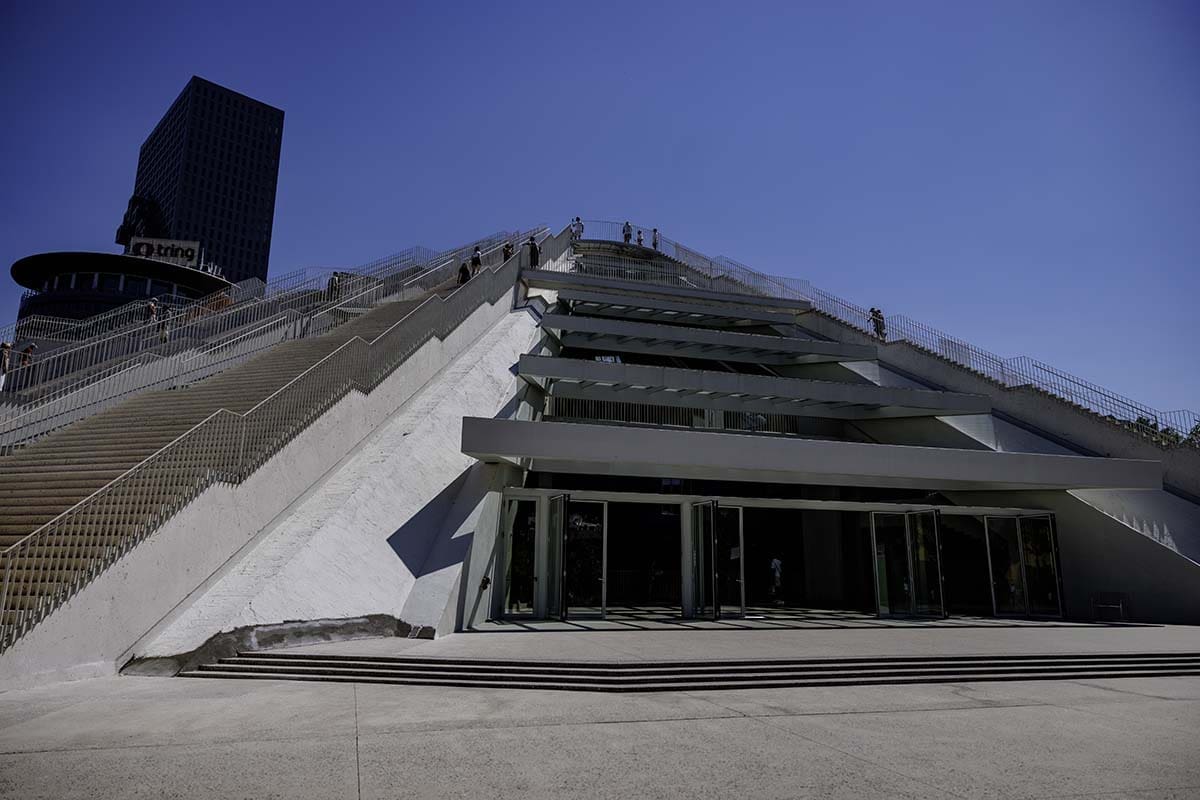
One of the things that makes Tirana distinctive is the contrast between its past and its rapidly changing present.
The city has developed considerably since the end of communism. New buildings, restaurants, cafes, and public spaces sit alongside historic structures and reminders of earlier political periods.
The Pyramid of Tirana is an example of this changing urban landscape. Originally constructed as a museum dedicated to Enver Hoxha, the building is now a cultural and educational space.
Its history makes it particularly interesting for visitors who want to understand how Albania has responded to its past.
Exploring Tirana isn’t simply about ticking off famous attractions. It is also about seeing how a capital city is evolving.
Click here for more details on the Best Things to do in Tirana.
Is Tirana safe for Older, Independent Travellers?

Safety matters a lot when thinking about visiting Tirana, especially if you’re travelling solo.
As with any capital city, Tirana requires sensible precautions. Busy roads, traffic, uneven pavements and unfamiliar streets can present practical challenges. You should also take normal precautions with belongings in crowded areas.
Practical safety tips:
- Use established accommodation with recent reviews.
- Take care when crossing roads, particularly on busy streets.
- Keep your valuables secure in crowded areas.
- Use reputable taxi services or prearranged transfers where appropriate.
- Avoid walking through unfamiliar areas late at night if you are uncomfortable doing so.
- Keep emergency contact information and accommodation details accessible.
Older travellers should also consider the physical demands of sightseeing. Not every pavement is even, and some attractions involve steps, slopes or extended periods of standing.
The time of year is also important. Summers in Tirana can be brutally hot. I asked a local if the 45 degrees centigrade of my visit was unusual. He shrugged and said, “Not really!”
The best approach is to build flexibility into your itinerary. You don’t need to visit every attraction in one day.
Check the latest government travel advice for Albania before travelling, particularly for information on local safety, transport and entry requirements.
Getting Around Tirana
Tirana’s central attractions are relatively close together, making walking a useful way to explore. However, the city is not uniformly easy to navigate on foot.
Traffic can be heavy, and some roads and pavements may be difficult for visitors with mobility limitations.
Walking
Walking is the best approach around Skanderbeg Square, the historic centre, and nearby neighbourhoods. It allows you to discover cafes, shops and architectural details that you might miss from a vehicle.
Plan your routes in advance if you prefer shorter walks and regular opportunities to rest.
Public transport
Tirana has an urban bus network, which can be useful for reaching attractions farther from the centre. Check current routes, fares and timetables locally, as arrangements can change.
Taxis
Taxis can be helpful when travelling with luggage or visiting places that are not convenient to reach by public transport. Confirm the fare or use a reputable booking service where possible.
Uber doesn’t operate in Albania, but there are some similar local rideshare apps. The most popular are Patoko and Clust which get you around the language barrier and let you pay by card (Albanian taxi drivers prefer cash).
Airport transfers
Tirana International Airport is outside the city centre. Allow time for the journey, especially if your flight arrives late or you have an early departure. Taxis, buses, or shuttles are all available to transfer to and from the airport to the city centre.
If you are travelling independently, arranging your first transfer in advance can reduce stress after a long journey.
Where to Stay in Tirana
Choosing the right area can make a considerable difference to your experience, especially if you want to explore on foot.
City centre
Staying near Skanderbeg Square provides convenient access to several of the city’s main attractions. It can be a good choice for first-time visitors who want to spend most of their time sightseeing.
Look for accommodation with comfortable access, reliable reviews and information about noise levels.
Blloku
Blloku is suitable for travellers who enjoy restaurants, cafes and evening activity. It is a lively area, so check whether your accommodation is on a busy street if you prefer quiet nights.
Areas outside the centre
Accommodation away from the main tourist areas may offer a different atmosphere or price point. However, consider how easily you can reach the attractions you want to visit.
For older independent travellers, a convenient location may be worth prioritising over a small saving on accommodation, especially when taxi fares are taken into account.
How Long Should You Spend in Tirana?

A three-day Tirana itinerary is a useful starting point for exploring the city.
You can adapt the following outline according to your interests, fitness and travel plans.
Day 1 History and the City Centre
Explore Skanderbeg Square, the Et’hem Bey Mosque and Clock Tower. Visit a museum focusing on Albania’s history and enjoy an evening meal in the city centre.
Day 2 – Mount Dajti and Local Culture
Travel to the Dajti Ekspres cable car and spend time in the mountain area. This can be combined with a visit to the Bunk’Art 1 museum (originally a 5 storey nuclear bunker) which is close to the cable car station. Return to Tirana for a relaxed meal or explore Blloku.
Day 3 – Markets, Parks or a Day Trip
Visit the New Bazaar, explore the Grand Park or take a trip to Krujë, depending on your interests and energy levels.
If you prefer a slower travel style, extend your stay to four days. This allows more time for cafes, museums, rest periods and unexpected discoveries.
When is the Best Time to visit Tirana?
Tirana can be visited throughout much of the year, but the best time depends on your preferred weather and activities.
Spring and autumn can be appealing for sightseeing, with opportunities to explore the city without suffering the hottest summer conditions. September and October are attractive to travellers who prefer milder weather, although conditions vary.
Summer can be hot, especially when walking around the city. If you visit during July or August, plan sightseeing around the cooler parts of the day and take breaks in shaded cafes.
Winter offers a different experience, with fewer visitors in some periods, but you should be prepared for cooler weather and possible rain.
Check the forecast before travelling, especially if you intend to visit Mount Dajti or take day trips.
Is Tirana Expensive to Visit?
Tirana can provide good value compared with some Western European capitals, particularly for dining and certain accommodation options. It’s also good value compared to the other Adriatic coast destinations which have become very popular, and consequently expensive. However, the total cost of a trip depends on your travel style.
Your budget will be affected by:
- The location and quality of your accommodation.
- Whether you eat at local restaurants or more expensive establishments.
- How frequently you use taxis.
- The number of organised tours and day trips you take.
- The season in which you visit.
It’s worth comparing accommodation prices before booking rather than assuming that Tirana will always be inexpensive.
For independent travellers, Tirana offers budget flexibility. You can combine lower cost activities such as exploring on foot and visiting public spaces with excursions and restaurant visits.
Final Verdict: Is Tirana Worth Visiting?
Is Tirana worth visiting? Absolutely, if you’re interested in history, culture, food and discovering a European capital that offers something different from the usual tourist destinations.
Tirana is not perfect. Its traffic, uneven pavements and transforming urban environment can create challenges, particularly for older travellers who prefer a slower and more predictable travel experience.
However, these drawbacks do not outweigh the opportunities the city offers for many independent visitors.
You can explore Ottoman landmarks in the morning, learn about Albania’s communist past in the afternoon, enjoy traditional food in the evening and take a trip to Mount Dajti during your stay.
For travellers who want to understand Albania rather than simply pass through its capital, Tirana is a worthwhile destination.
Whether you visit for two days, spend three days exploring the city or use it as the beginning of a longer Albanian adventure, it doesn’t matter. Tirana provides a useful introduction to Albania, one of Europe’s least understood countries.
My advice is to include Tirana in your Albania travel plans, allow enough time to explore at a comfortable pace and approach the city with curiosity. It is a destination where the contrasts between old and new are part of the experience.
Frequently Asked Questions
Is Tirana worth visiting for two days?
Yes. Two days can give you time to explore Skanderbeg Square, visit key museums, sample Albanian food, and experience the city’s cafe culture. A longer stay is useful if you want to visit Mount Dajti or take a day trip.
Is Tirana good for older travellers?
Tirana can be suitable for older independent travellers who plan their days carefully. Central attractions, cafes, and museums offer varied activities, but traffic, uneven pavements, and walking distances should be considered when choosing accommodation and planning sightseeing.
What is Tirana best known for?
Tirana is known for its central Skanderbeg Square, Albanian national history, communist-era heritage, cafe culture, colourful urban environment and access to Mount Dajti.
Is Tirana a good base for exploring Albania?
Yes. Tirana is a useful starting point for exploring central Albania and travelling to other destinations. The suitability of the city as a base depends on the specific places you want to visit and the transport connections available during your trip.
How many days do you need in Tirana?
Two to three days is a reasonable starting point for many visitors. If you prefer a slower pace, want to visit Mount Dajti, or plan a day trip, consider staying for four days.
Latest Posts from Albania


Best Things to do in… Posts