
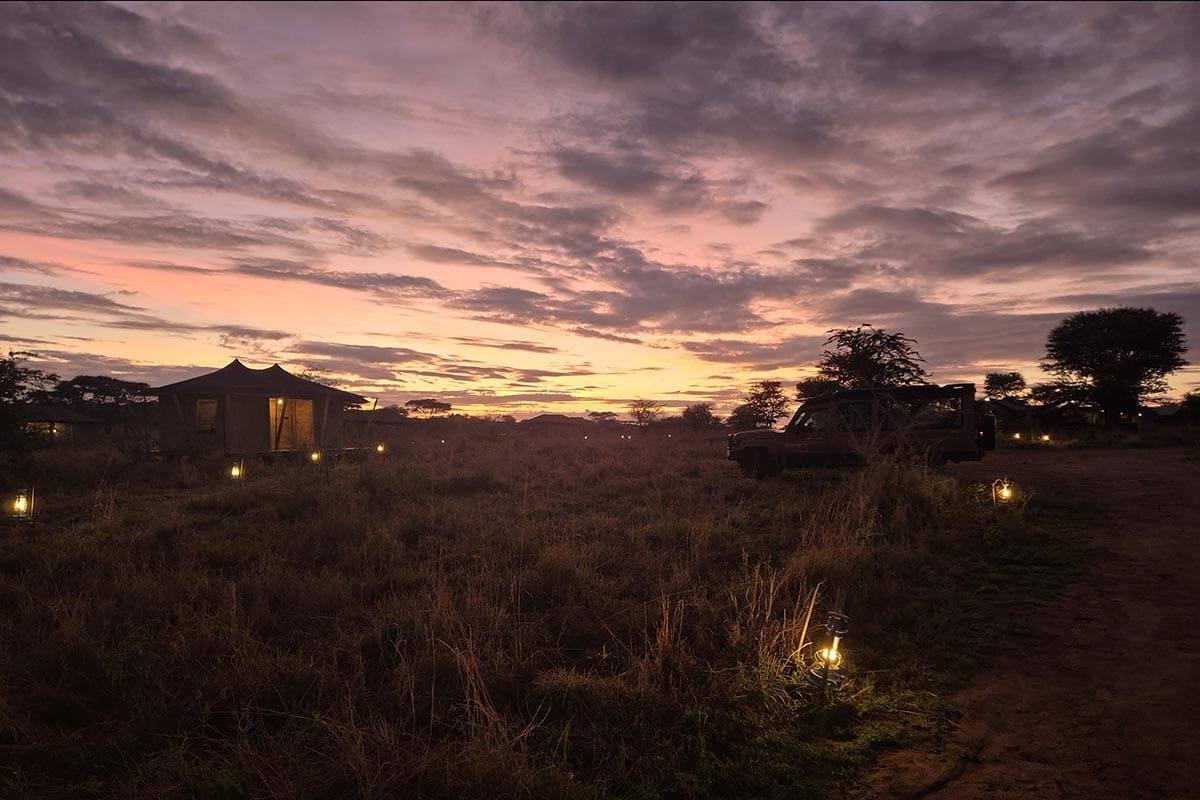
Safari Lodges Tanzania: Six Camps Reviewed from Personal Experience
Choosing where to stay on safari in Tanzania is almost as important as choosing which national parks to visit. Your accommodation can be anything from a relatively simple tented camp in the heart of the Serengeti to a comfortable lodge overlooking the plains of Tarangire or a beautiful beachfront bungalow on the Indian Ocean.
During my two-month trip around Tanzania, I stayed in six safari lodges and tented camps across four of the country’s best-known wildlife destinations:
- Saadani National Park
- Tarangire National Park
- Ngorongoro Crater
- The Serengeti.
They ranged from comfortable mid-range accommodation to a more luxurious tented camp. Some had spectacular locations, others excelled at food or service, while a couple had shortcomings worth knowing about before booking.
Rather than simply listing facilities, I wanted to compare what staying in each place was actually like. How comfortable were the rooms? Was there reliable electricity and Wi-Fi? How good was the food? Could I get around easily? And perhaps most importantly, what was the wildlife experience like?
This is an independent review based on my own stays, with particular attention to practical considerations for older travellers and anyone with mobility difficulties.
I have received no incentives from any of the lodges and paid for my stay myself with no prewarning I write this blog.
The Do Not Go Gently Travel Blog uses affiliate links. If you make a purchase after clicking on one of these links, I may receive a small commission payment at no extra cost to you.
Tanzania safari lodges at a glance
Here are the six properties I stayed at and what stood out about each.
| Safari lodge | Location | What stood out |
|---|---|---|
| Simply Saadani Camp | Saadani National Park | Beautiful beachfront accommodation |
| Bab’s Camp | Saadani National Park | 65-foot observation tower |
| Tarangire Safari Lodge | Tarangire National Park | Spectacular views over the river and plains |
| Embalakai Ngorongoro Camp | Ngorongoro Highlands | Maasai hospitality and excellent food |
| Tukaone Mwaloni Camp | Central Serengeti | Exceptional wildlife encounters |
| Kenzan Matawi Luxury Camp | Central Serengeti | Higher standard of tented accommodation |
These camps are not directly comparable in every respect. They occupy different locations, offer different experiences, and cater for slightly different budgets.
However, having stayed in all six, I can give you a good idea of what to expect.
What to expect from Tanzania Safari Accommodation
Before looking at the individual properties, there are a few things worth understanding about staying in safari camps in Tanzania.
Friendly and helpful staff
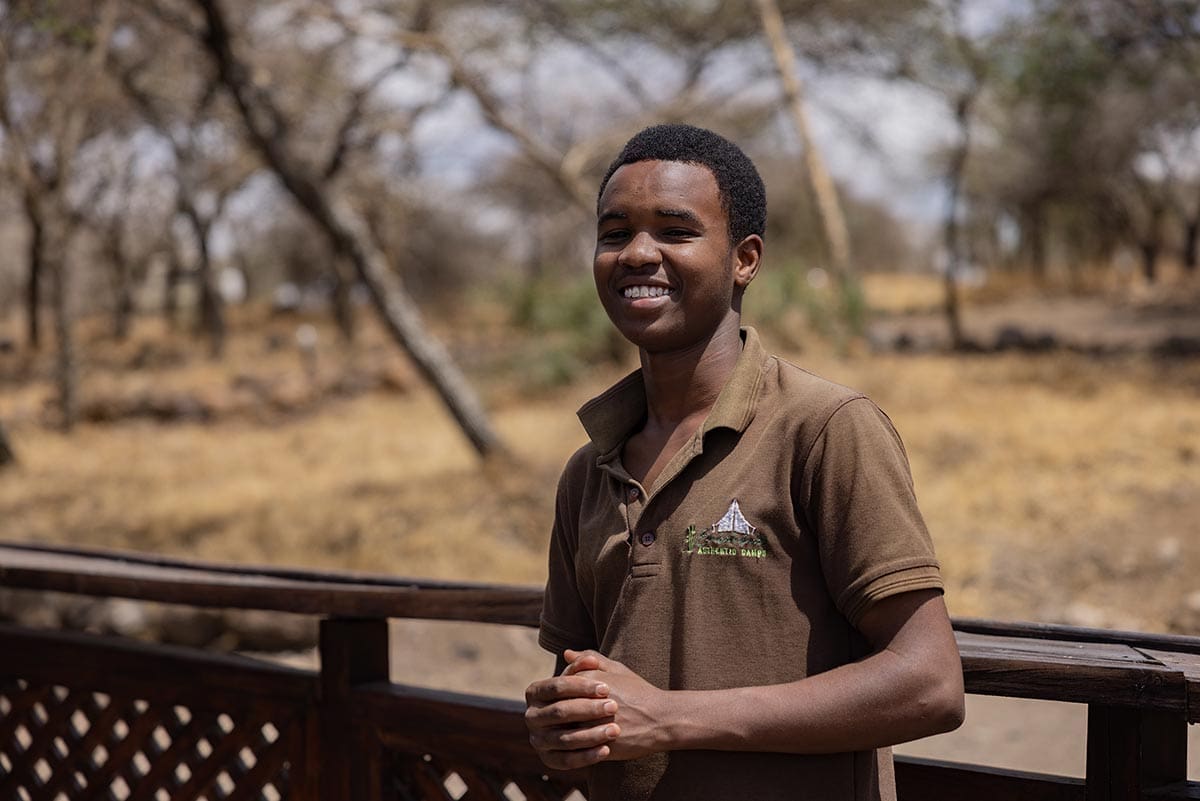
One thing that was consistent across all six properties was the quality of the staff.
Everyone I encountered was exceptionally friendly and helpful. More importantly, they were prepared to take responsibility when something needed fixing.
If I reported a problem, the person I spoke to dealt with it. There was no being passed between reception, housekeeping, and management.
It was a refreshing change from some larger hotels and resorts.
Water and drinking facilities
Tap water isn’t generally potable in Tanzanian safari accommodation. All six properties provided filtered or bottled drinking water, so there was no need to worry about sourcing your own.
Arrival arrangements
Most camps operated a relatively informal arrival procedure.
While staff took your luggage to your accommodation, someone explained meal times, security arrangements and the general running of the camp.
This was generally straightforward, although the arrangements at individual properties differed depending on how remote they were and how you arrived.
Security and Wildlife
One thing that may surprise first-time safari visitors is that locks on tented accommodation are not particularly common.
Camps are usually unfenced. You are in the wilderness, and it’s the wildlife’s home, not yours.
Instead of wandering around independently after dark, you use a torch or walkie-talkie to summon a member of staff. This person will escort you between your accommodation and the restaurant.
This isn’t simply a formality. Elephants, buffalo, hippos and even big cats may be moving around the camp.
If you’re uncomfortable leaving valuables in an unlocked room, ask whether the property has a safe or secure storage facility.
Electricity and Wi-Fi
All six properties provided adequate facilities for charging phones and camera batteries, although the availability of Wi-Fi in individual rooms varied. The weakest was Bab’s Camp, where charging was performed at a small plugblock in the bar.
Wi-Fi was strongest around the restaurant or bar areas. Don’t assume that because a camp advertises Wi-Fi, you’ll be able to stream films or make uninterrupted video calls.
Simply Saadani Camp – Saadani National Park
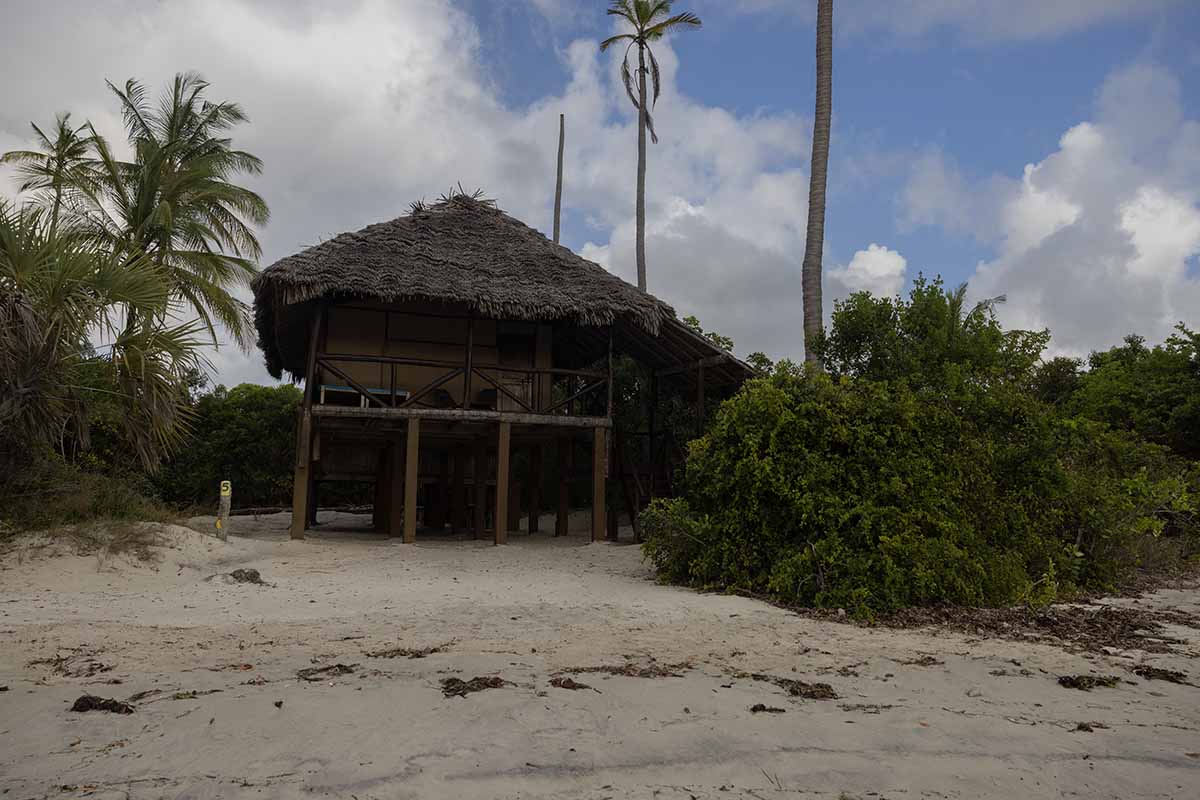
Best for: A peaceful beachfront safari experience.
Simply Saadani was probably the most unusual of the six properties I stayed at. Rather than being surrounded by the African bush, it has a beautiful beachfront location overlooking the Indian Ocean.
The prospect of waking up to the sound of waves rather than birds or wildlife is something rather special.
Accommodation
The camp consists of just eleven tented bungalows, separated from each other by foliage to provide a good degree of privacy.
My bungalow was beautifully presented, with dark wooden furnishings and a lovely outlook towards the ocean.
There was electricity, a hot shower and a mosquito net, which was assembled while I was at dinner.
There was no Wi-Fi in the bungalow, although it was available in the bar area.
The bathroom was down a short flight of steps, with a fairly steep drop. Something to be aware of if you have difficulty negotiating steps or are fumbling around in the dark.
Security
There were no locks on the bungalow doors, but I never felt particularly concerned.
An armed security guard was stationed outside the accommodation. He provided a torch when I wanted to close the window covers after dark and escorted me to and from the restaurant.
Given the remote beachside location, this arrangement made sense.
Food
Food was very pleasant, with a choice of options at dinner.
I went with the dishes suggested, which included soup, octopus, and ice cream. One of the other guests didn’t fancy octopus and was offered beef instead.
There was also a good selection of drinks.
Wildlife and safari experience
Saadani is a relatively small national park and doesn’t have the same density of large mammals as some of Tanzania’s more famous reserves.
Nevertheless, I enjoyed some good sightings, including elephants, baboons, waterbuck, bushbuck, giraffe, zebra (a rare sighting here apparently), warthog and mongoose.
The real highlight, however, was the boat safari.

Only two reserves in Tanzania are permitted to offer this type of river safari, and it was a wonderful opportunity to see hippos, crocodiles and a variety of birds at close quarters. Our boat guide had excellent knowledge and a good eye for wildlife.
The land safari was also enjoyable, although the guide’s bird identification skills were a little limited. She was keen to learn, however, and between Merlin and her bird field guide, we managed.
As I was the only guest in the vehicle, I could ask the driver to stop whenever I spotted something interesting.
Accessibility
This is where Simply Saadani has limitations.
The bungalows are located on the beach, with access involving walking across sand or sandy tracks. There are also steps to the accommodation and restaurant areas (and the steep stairs to the bathroom). The restaurant area also has a sandy floor.
Anyone with significant walking difficulties may find this challenging.
Something different
One of the additional activities was a walk along the beach to a nearby fishing village, where I could see something of local life and visit the school.
It involved crossing some ankle-deep water and was a pleasant change from the usual safari activities.
For someone spending an extended period on safari, this was a welcome diversion. However, if I had only had a couple of days in Saadani, I would probably have preferred to spend the time on game drives.
My verdict: Simply Saadani is a lovely place to relax, with beautiful beachfront accommodation and the added bonus of a river safari. Its peaceful location and small number of bungalows make it particularly appealing if you’re looking for something different from a conventional safari camp.
Bab’s Camp – Saadani National Park
Best for: The observation tower and wildlife watching from camp.
Bab’s Camp is also located in Saadani National Park and is owned by the same company as Simply Saadani, Tents with a View.
Its main attraction is a remarkable 65-foot observation tower, which provides an elevated vantage point for watching wildlife.
Accommodation
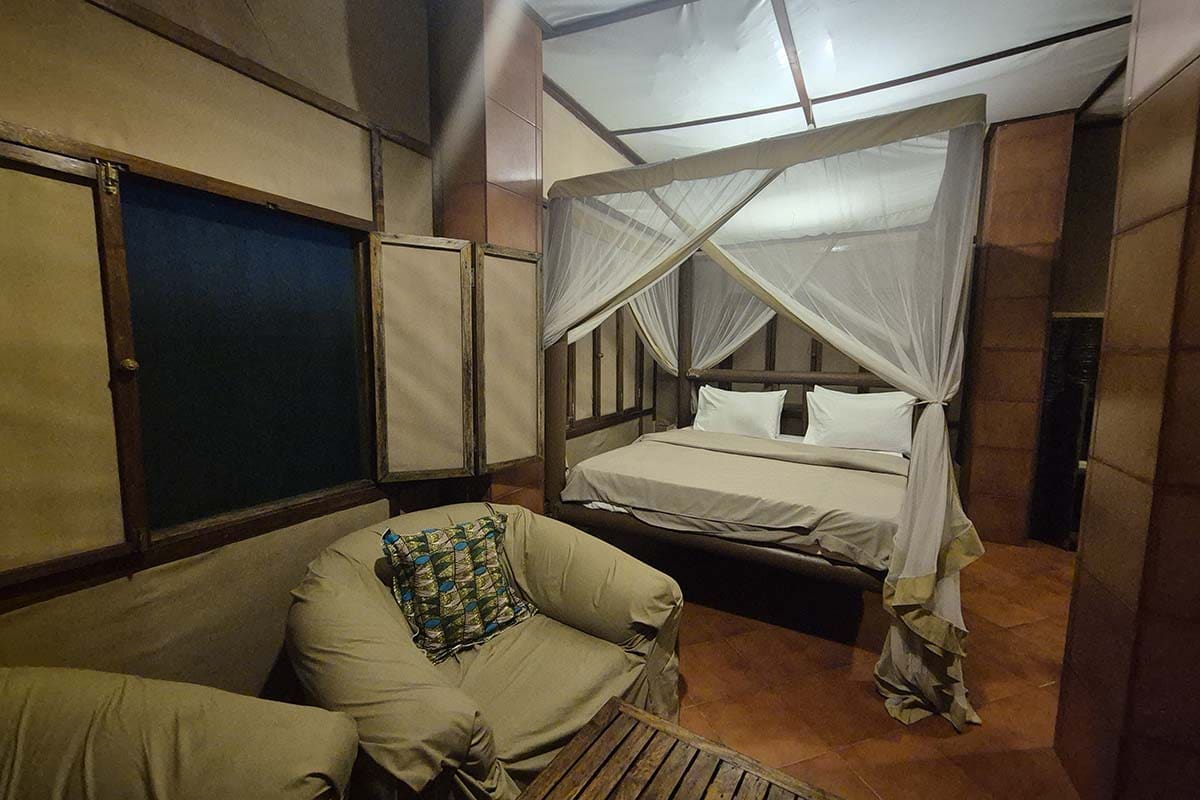
The accommodation is considerably smaller than at Simply Saadani and feels a little older and more tired.
The rooms are incorporated into the tower structure, which inevitably places some restrictions on their size.
There were no power sockets in my room, which meant charging equipment was less convenient than at the other properties. Charging was via a small plug block on the bar. It was being used by the staff who deferred to guests, but I’m not sure what would have happened had the lodge been full.
Wi-Fi was officially only available in the bar and restaurant, although I could pick it up in my room. I suspect this was because I was staying on the floor immediately below the router.
Security
Security arrangements were even less formal than at Simply Saadani.
There was a wooden bolt on the inside of the door, but no lock for when you were out.
As the accommodation was in the same building as the restaurant and bar, there was no need for an escort when going for meals.
Food and staff
The staff were just as friendly and helpful as at Simply Saadani.
Because both properties are owned by the same company, I retained the same safari guide and driver. The transfer between the two camps was seamless, without the need to complete another set of registration forms.
Food was good, although I was the only guest for much of my stay, so I can’t really comment on how the service would work when the camp is full.
Wildlife and Activities
The park is the same as for Simply Saadani, so the wildlife experience was broadly similar.
My game drive concentrated on birds, following my request. Other guests reported seeing a large herd of buffalo, while I saw around 15 giraffes, baboons and some antelope.
One particularly interesting feature was the infrared scope operating in the bar and restaurant area at night.
I spent an evening watching a herd of elephants moving through the surrounding landscape. It was fascinating to see what was happening outside the camp after dark.
Unfortunately, it was also a reminder that poaching remains an issue. One young elephant appeared to have lost a foot, possibly as the result of a trap.
Accessibility
The tower is both the attraction and the main drawback.
The 65-foot structure requires climbing steep stairs to reach the upper levels, where the restaurant is situated.
I would not recommend Bab’s Camp to anyone with mobility difficulties. Even able-bodied visitors may find the stairs demanding.
My verdict
Bab’s Camp is an interesting property, particularly because of its observation tower and night-time wildlife watching.
However, the accommodation is less comfortable than Simply Saadani, and I would choose the latter if I were returning to Saadani.
The tower is worth experiencing, but I wouldn’t necessarily choose to stay here purely for the accommodation.
3. Tarangire Safari Lodge – Tarangire National Park
Best for: Spectacular scenery, wildlife watching and accessibility.
Tarangire Safari Lodge is an established property that opened in 1985. Its location is one of its biggest attractions. Set on a ridge overlooking the plains and river below, it has some wonderful views, with dawn being a particular highlight.
You can take drinks and food outside during the day and watch wildlife moving across the landscape.
Accommodation
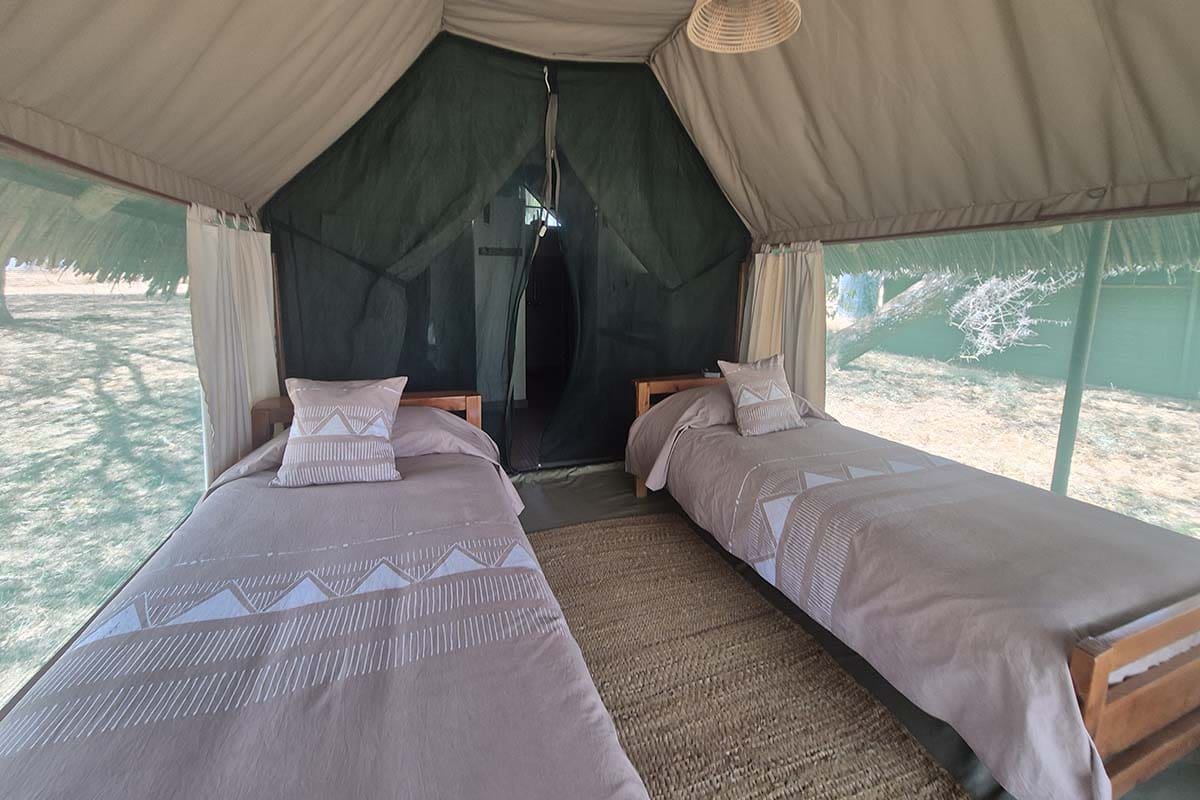
This was probably the weakest room experience of the six properties.
My tent was relatively small, with two single beds. Although I could use the second bed for luggage, I still found myself constantly moving things around and stepping over bags.
The rear section contained a permanent bathroom with a shower, sink and toilet, all of which worked well. The furnishings were functional, but the accommodation felt a little tired compared with some of the newer camps.
I also struggled to work out the lighting arrangements. It wasn’t until my second day that I discovered the main light switch! But that was probably me being dull.
Security
The lodge is unfenced, so animals roam freely around the grounds at night.
If you want to go to the restaurant, you simply wave the torch provided in your room. A member of staff will come and escort you.
When I asked one of the employees whether he ever saw wildlife while doing this job, his response was that he’d seen everything, including big cats, giraffes and elephants.
That gives you some idea of what staying inside a national park can be like.
Wildlife
Tarangire National Park is superb.

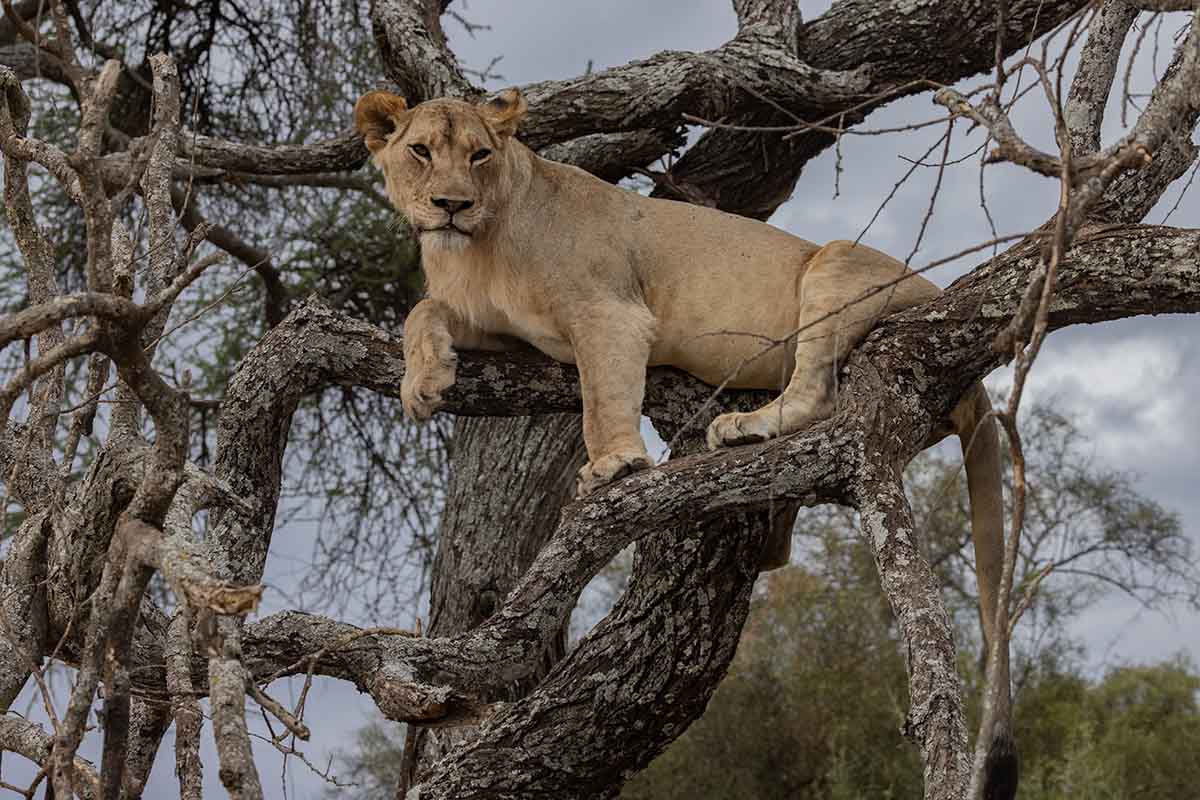
It is particularly famous for its elephants and tree-climbing lions, and I also saw several leopards.
There was one downside to the wildlife experience. Its proximity to Arusha makes it relatively accessible for day visitors.
On my first day, we witnessed a lion kill, with the lion resting under a nearby bush afterwards. Unfortunately, around 30 safari vehicles were queuing to get the best view of it. I found this uncomfortable. This is however, a fact of life in safaris. Guides earn tips by showing their guests animals like lions and leopards, so they communicate with each other when these are available. And, yes, I realise I’m part of the problem doing a private safari.
Staying inside the park meant we could head out at first light and return later in the evening, when the park was much quieter.
Bird life was also excellent, with numerous eagles, secretary birds and many other species.
Choosing the correct time of year to visit may be important. One of my guides mentioned that some of the wildlife migrates during the rainy season.
Food

The restaurant served buffet-style meals, with a good choice of dishes.
Dinner generally followed a familiar format of soup, stew and dessert, with several options available. Vegetarians were well catered for.
Electricity and Wi-Fi
Wi-Fi was reliable in the restaurant area but wasn’t available in the tents.
There was a particularly useful charging block in my room, with UK-style sockets and several USB connections.
For anyone travelling with cameras, phones and other equipment, this was a welcome feature.
Accessibility
This was the most accessible property of the six.
The main facilities were on one level, with flat, paved walkways connecting the accommodation and restaurant.
Although my particular tent wasn’t accessible, the lodge has accessible bungalows, making it a much better option for disabled visitors or anyone who struggles with uneven paths and steps.
If accessibility is important, I would contact the lodge directly to request one of these bungalows.
My verdict: Tarangire Safari Lodge may not have the newest accommodation, but its location is superb, the wildlife is excellent and the facilities are good value for the standard offered. Its accessible bungalows also make it one of the more practical options for older travellers.
Embalakai Ngorongoro Camp – Ngorongoro Highlands
Best for: Maasai hospitality, excellent food and a spectacular crater safari.
Embalakai Ngorongoro Camp was one of the more memorable places I stayed, particularly because of its relationship with the local Maasai community.
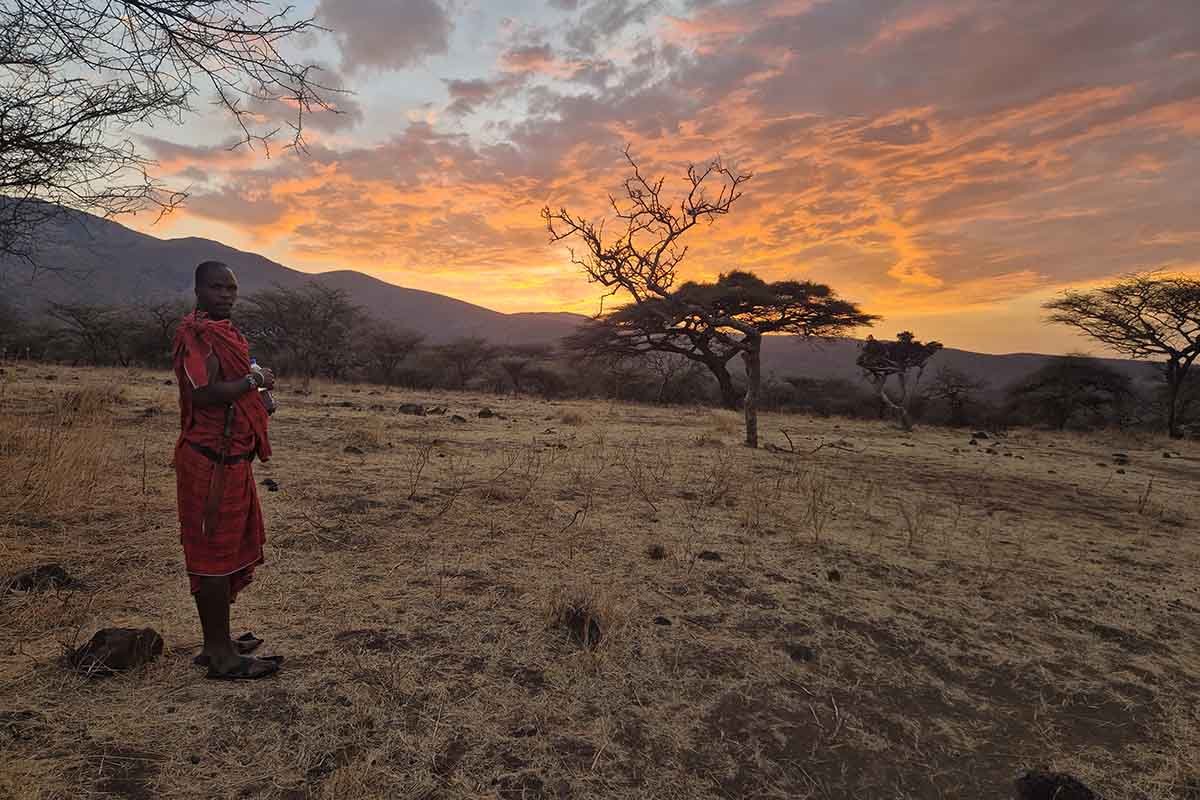
Many of the staff are Maasai and wear traditional clothing. On arrival, guests are welcomed by Maasai tribesmen who sing and dance.
The camp has only been open since 2023, and the accommodation still feels relatively new.
Accommodation
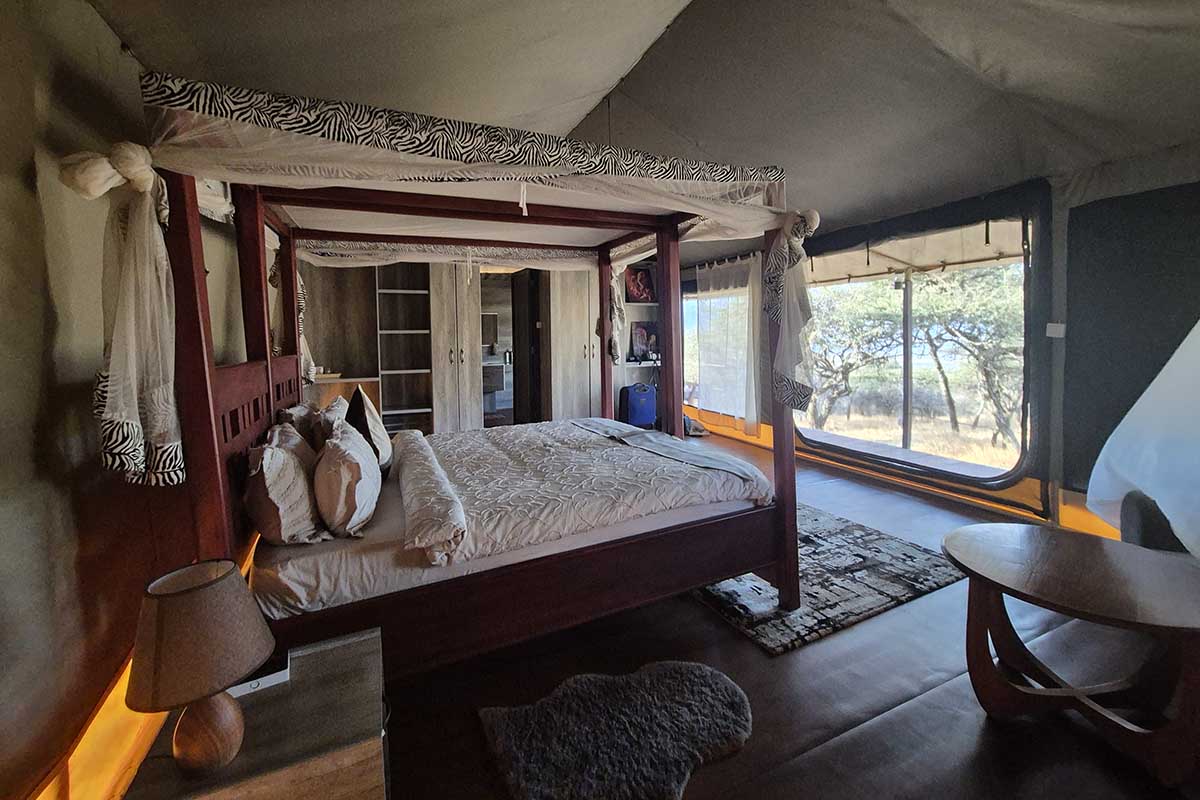
The tents are spectacular.
They are roughly twice the size of those at Tarangire Safari Lodge, with a huge four-poster double bed and mosquito net suspended from the bedposts.
The furnishings were modern and comfortable.
However, the location creates one significant problem: the wind. The Ngorongoro Highlands can be extremely windy, and my first night was not particularly pleasant.
The bathroom door kept blowing open, the mosquito net rippled in the breeze, and even the light fitting was swinging around. Had it been raining as well, it would have been a very uncomfortable night.
Fortunately, the manager anticipated the problem and offered to move me into a brick-built room for the remainder of my stay.
It was just as well appointed as the tent, but without the problems caused by the wind.
Security and getting around
A walkie-talkie in the room allowed me to summon a Maasai tribesman to escort me to the restaurant.
This wasn’t primarily about protecting guests from wildlife. It was because the path between the accommodation and the restaurant was steep and extremely rough and rocky. Even someone who is perfectly fit could easily turn an ankle while walking on it in the dark.
This is an important consideration for anyone with mobility difficulties.
Wildlife and location
The camp is approximately 15 minutes’ drive from the Ngorongoro Crater, where most of the wildlife action takes place.
We arrived at the park gate shortly after 6am, when it opens. Visitors aren’t permitted into the crater at night.
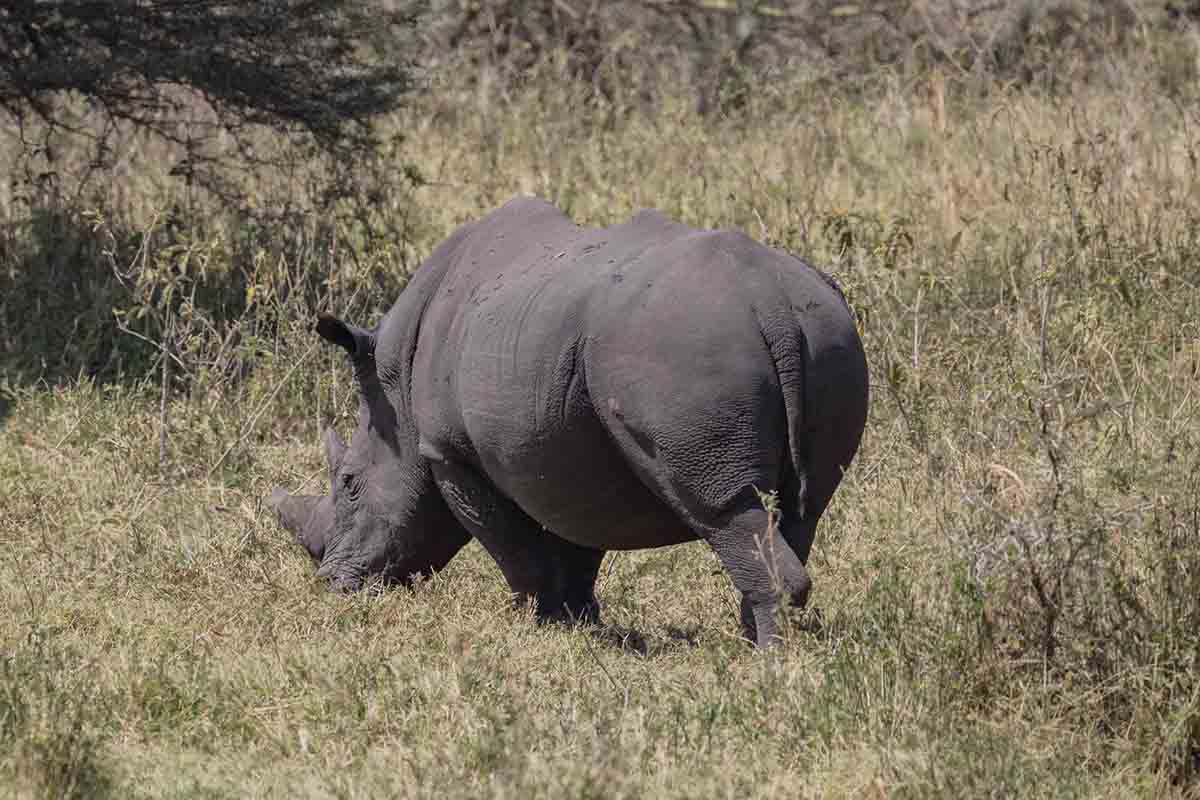
The descent along the winding entrance road was spectacular, and we were soon seeing marabou storks, hundreds of flamingos, Thompson’s and Grant’s gazelles, and a large pride of lions feeding on a kill. We also saw both black and white rhinos.
Food
Food was one of Embalakai’s strongest features. Each evening had a different theme, with a chef preparing dishes to order.
One night, there was beef and chicken cooked on a barbecue. Another evening featured fresh pasta being prepared in front of guests.
On my final night, we were treated to a four-course meal with a choice of dishes. It was probably the best meal I had during my time in Tanzania.
Electricity and Wi-Fi
There were plenty of sockets for charging equipment, and Wi-Fi was available in the restaurant area.
As you might expect from a remote safari camp, speeds were relatively slow. WhatsApp and ordinary internet browsing worked fine, but streaming was unrealistic.
Although I was warned that the signal would be poor in the rooms, I didn’t notice much difference between the tent and the restaurant. However, expect bush speeds in both locations.
Accessibility
This is where Embalakai has significant shortcomings.
The accommodation is situated on a steep hillside, and the paths are rough, rocky and uneven.
I found some of the walking routes challenging, even though I don’t have mobility difficulties.
This camp is not remotely wheelchair-friendly.
I understand there may be plans for a new camp on a more level section of the site, but from what I could see, completion is a significant time away.
A memorable Maasai experience
One of the highlights of my stay here was a six-mile bush walk with a Maasai tribesman.
He explained aspects of his culture and showed me something of the local environment. He also kept me from blundering into the thorny acacia trees and bushes which abound here.
It was an excellent opportunity to learn more about the people who live in this part of Tanzania, rather than simply experiencing the area through a safari vehicle.
My verdict: Embalakai offers excellent accommodation, wonderful food and a memorable cultural experience. Its proximity to the crater is another major advantage. However, the steep, rocky paths are a serious consideration for anyone with walking difficulties.
Tukaone Mwaloni Camp – Central Serengeti

Best for: Wildlife enthusiasts and anyone wanting to experience the Serengeti from the heart of the park.
Tukaone was my first camp in the Serengeti.
I’d describe it as functional rather than luxurious, although that isn’t necessarily a criticism. It felt like a relatively low-impact operation, perhaps reflecting the restrictions on development within the national park.
The biggest attraction wasn’t the accommodation but what was happening outside it.
Accommodation
The tents were large and well presented, with a comfortable double bed and a separate bathroom.
I did have one problem when I arrived. My blanket was wet, apparently because a heavy downpour had exposed a small leak in the tent.
The staff quickly replaced it, and despite several more heavy showers during my stay, the problem didn’t recur.
Security
This is where staying in the Serengeti becomes particularly interesting.
The camp is unfenced, and wildlife regularly wanders through the grounds.
A walkie-talkie system allows guests to summon a member of staff to escort them between their tent and the restaurant. On one evening, the staff kept me waiting at the restaurant because a buffalo was grazing outside my tent. On another night, a hippo visited.
It’s a reminder that you’re staying in the animals’ territory, not the other way around.
Wildlife
The Serengeti is famous for a reason.
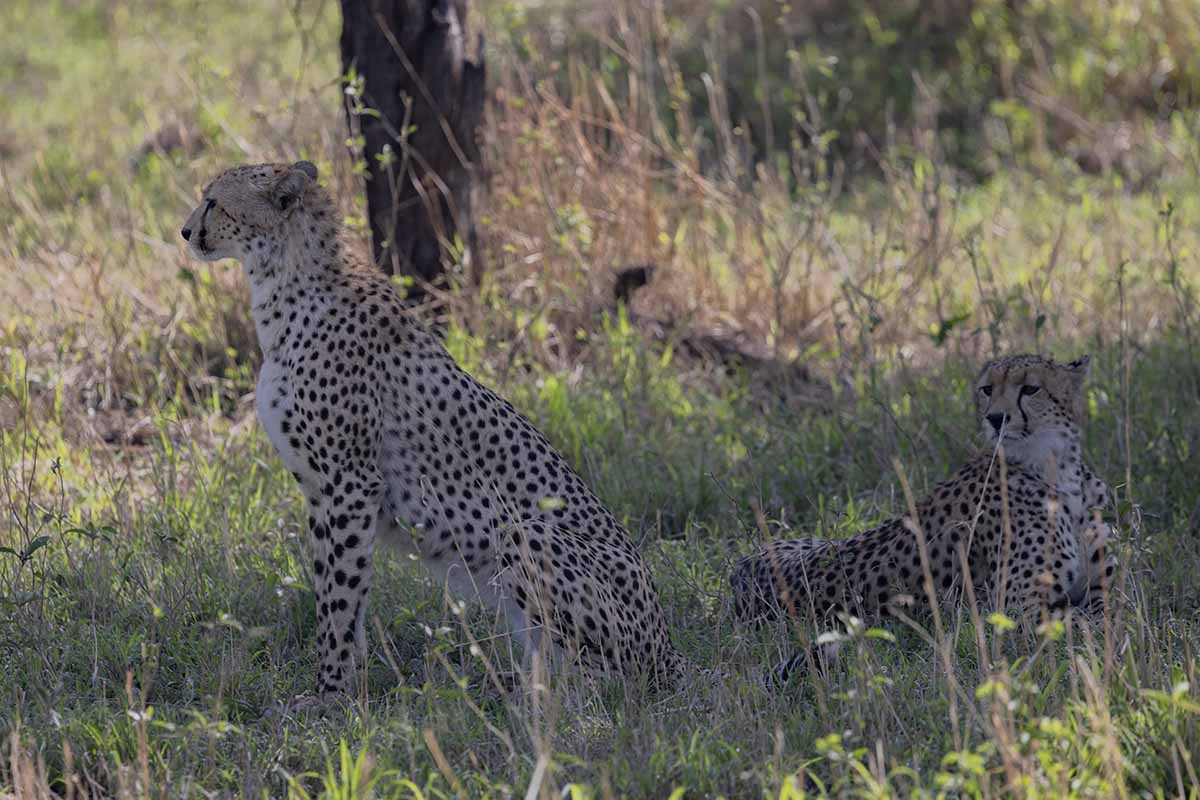
During my stay, I saw four different types of cat: around 50 lions, 30 cheetahs, two leopards and even a serval. We also witnessed a cheetah hunt and found a hyena pack at its den. Bird life was extraordinary, with nearly 200 species recorded during my stay.
At one point, we were suddenly surrounded by wildebeest and zebra as part of a small-scale Great Migration movement.
For me, this was the real attraction of Tukaone. The game drives began as soon as we climbed into the safari vehicle, with no lengthy transfer to reach the wildlife.
Food
The food was good, tasty and plentiful.
However, I was staying for six nights, considerably longer than most visitors, and the menu felt a little repetitive. Meals followed the familiar buffet format of soup, stew and dessert.
One thing I wasn’t particularly keen on was the insistence that everyone arrived for meals at precisely the same time.
On one occasion, when I questioned this arrangement, I was told there might be gaps in the food selection if I didn’t go immediately.
I found this unnecessarily restrictive, but it was probably a function of logistics. Staff can’t simply pop to the local Tesco to buy some more produce.
On the positive side, the breakfast arrangements worked very well for early game drives. We could prepare packed breakfasts using the excellent buffet selection.
This included bacon, beef sausages, potatoes, excellent samosas and fruit.
Electricity and Wi-Fi
All the lodges I visited (except for Bab’s Camp) had recognised the importance of charging electronic equipment.
Tukaone provided 24-hour electricity through solar panels.
Wi-Fi was available in the restaurant area, although there was no connectivity in the tents.
Accessibility
The paths were unpaved and rough, although not as difficult as those at Embalakai. I wouldn’t recommend the camp for wheelchair users.
However, someone with relatively mild walking difficulties might manage with assistance, depending on their circumstances. If you have mobility concerns, requesting a tent close to the restaurant would be particularly important.
My verdict: Tukaone is a functional camp rather than a luxury experience, but its location in the Serengeti is exceptional. The wildlife encounters more than compensated for any limitations of the accommodation. If wildlife is your priority, it’s a very enjoyable place to stay.
Kenzan Matawi Luxury Camp – Central Serengeti
Best for: A more comfortable tented camp with excellent Wi-Fi.
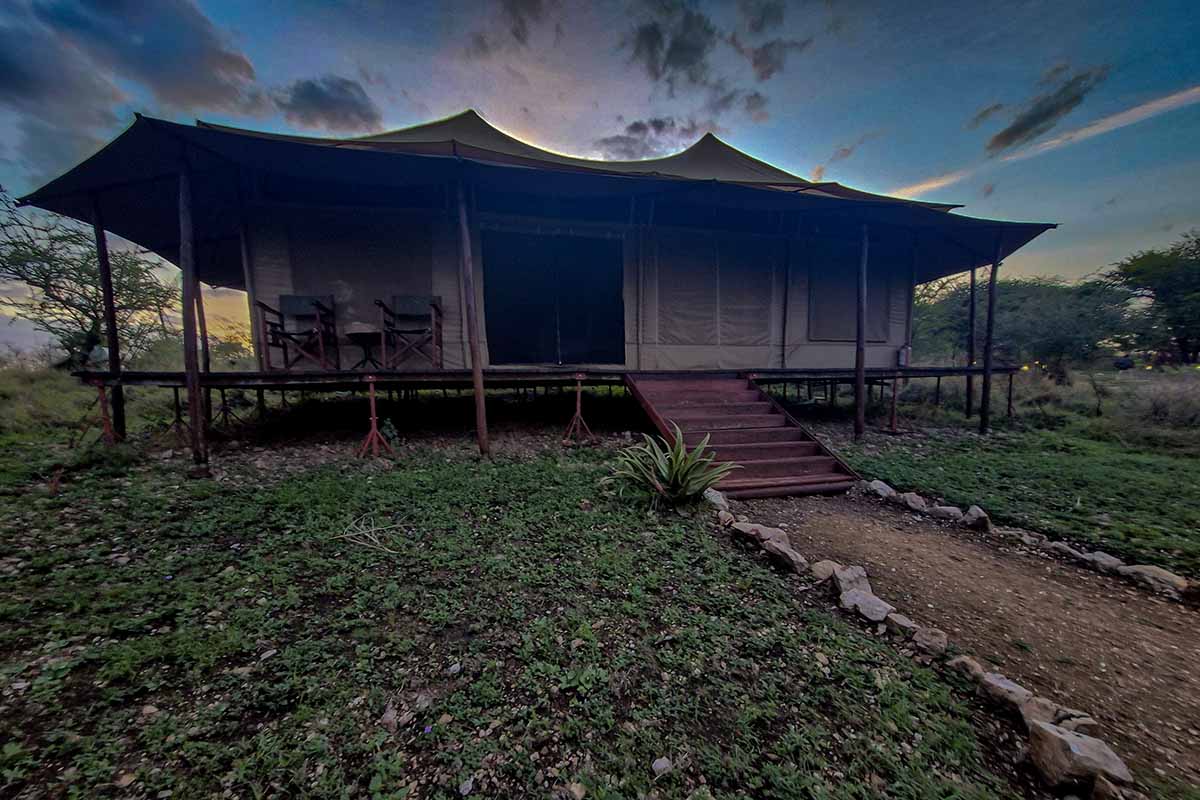
Kenzan Matawi was an upgrade from the other camps on my trip.
Whereas most of the other properties were firmly in the mid-range category, Kenzan Matawi offered a noticeable step up in accommodation and service.
It was a fitting place to spend my final night on safari.
Accommodation
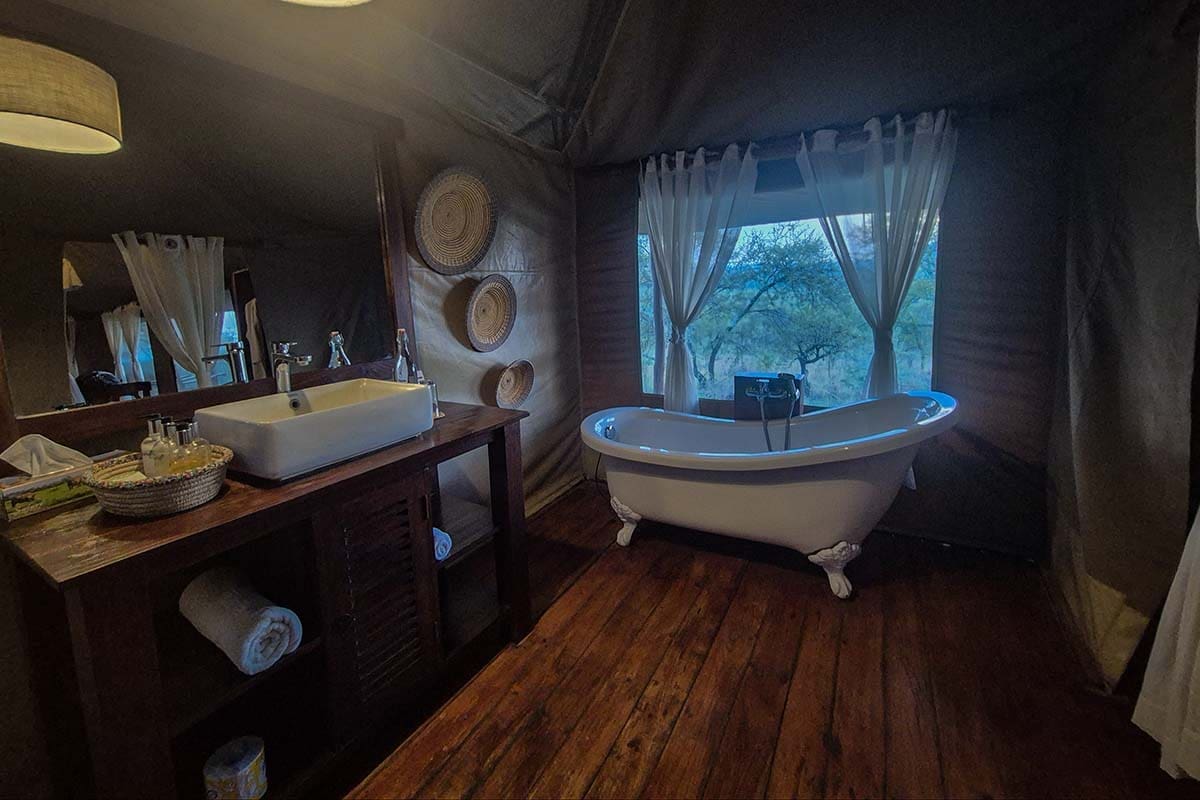
The tent was large, with better-quality furniture and furnishings than the previous camps. It even had a bath, something I hadn’t encountered elsewhere on the trip.
There was one small inconvenience. You had to tell the staff when you wanted a shower, so that they could direct hot water to your accommodation. It took a few minutes, but wasn’t a major problem.
Security
As with Tukaone, the camp used a walkie-talkie system to summon staff to escort guests to the restaurant.
This was clearly necessary. Elephants, hyenas and buffalo were regular visitors to the surrounding area.
The night I stayed, a member of staff told me there was an elephant behind my tent. We both stopped in our tracks when a lion roared somewhere nearby.
It’s difficult to imagine a more authentic Serengeti experience.
Wildlife
The location means excellent wildlife viewing is almost guaranteed.
As this was my final safari night, my game drive was combined with the journey towards the park gate for the return to Arusha.
Despite the limited time we had, we still saw several lions and cheetahs.
Food
Unlike the buffet arrangements at most of the other properties, Kenzan Matawi offered restaurant-style service.
Both dinner and breakfast were served at the table, with each course delivered individually. The quality was excellent, although I wouldn’t quite put it above the outstanding meal at Embalakai.
There was one small disappointment. At breakfast, by 6.15am, they’d already run out of bacon!
Electricity and Wi-Fi
There were plenty of sockets for charging equipment, although some were inconveniently hidden behind furniture.
Wi-Fi was strong in the restaurant and, unusually, just as good in the tents.
For anyone who needs to stay connected, this was a significant advantage over the other camps.
Accessibility
Although Kenzan Matawi advertises that it can accommodate disabled visitors, I would want to check the arrangements carefully before booking a stay. The tents are raised and accessed by stairs.
If you have particular mobility requirements, contact the property directly and explain exactly what assistance you need rather than relying on a general accessibility statement.
My verdict: Kenzan Matawi was the most comfortable tented accommodation of the six. The quality of the furnishings, restaurant service and excellent Wi-Fi made it a noticeable upgrade from the usual. Its location also ensured a final opportunity to enjoy the wildlife of the Serengeti.
Comparing the six Tanzania safari lodges
Having stayed in all six properties, I think there are some clear differences.
| Category | My choice |
|---|---|
| Best location for scenery | Tarangire Safari Lodge |
| Best beachfront accommodation | Simply Saadani |
| Most interesting camp feature | Bab’s Camp |
| Best food | Embalakai Ngorongoro |
| Best wildlife experience | Tukaone Mwaloni Camp |
| Best overall accommodation | Kenzan Matawi |
| Best accessibility | Tarangire Safari Lodge |
| Best Wi-Fi in accommodation | Kenzan Matawi |
These are personal judgements based on my stays, rather than formal ratings.
Which Tanzania safari lodge is best for older travellers?

One of the things I wanted to establish during my trip was how suitable these properties would be for older visitors.
Safari accommodation isn’t always as accessible as conventional hotels. Even relatively fit visitors can find some of the paths, steps and raised vehicles challenging.
Here is my assessment of the six properties.
Tarangire Safari Lodge was the clear winner for accessibility. Its paved paths and single-level layout make getting around much easier, and the availability of accessible bungalows is a major advantage.
Simply Saadani Camp has beautiful accommodation, but the sandy approach and steps make it less suitable for anyone with walking difficulties.
Bab’s Camp is the least suitable. The tower and steep stairs create obvious problems for anyone who struggles with steps.
Embalakai Ngorongoro Camp has some of the most challenging walking conditions. The rough, rocky tracks on the hillside could be difficult even for people without mobility problems.
Tukaone Mwaloni Camp has rough, unpaved paths. It may be manageable for some visitors with assistance, but I would request accommodation close to the restaurant.
Kenzan Matawi Luxury Camp has raised tents accessed by stairs. Despite its higher standard of accommodation, I would want to confirm the precise arrangements before booking if accessibility was important.
There is another important consideration: the safari vehicles themselves.
The standard safari vehicles used on my trip were not accessible. Even people with relatively mild disabilities could struggle to climb into the raised vehicles.
I asked one of my safari companies, Baldeagle Safari, about this. They advised that vehicles could be adapted for wheelchair users and that ramps were available.
This is something I intend to cover in a separate article.
Is Wi-Fi available in Tanzanian safari lodges?
If you’re planning a safari and need to stay connected, don’t assume that all camps offer the same facilities.
Of the six properties I visited:
- Simply Saadani had Wi-Fi in the bar area but not the bungalows.
- Bab’s Camp officially offered Wi-Fi in the restaurant, although I could connect from my room.
- Tarangire Safari Lodge had reliable Wi-Fi in the restaurant but not the tents.
- Embalakai Ngorongoro offered Wi-Fi in the restaurant, with a usable signal in my room.
- Tukaone provided Wi-Fi in the restaurant but not the tents.
- Kenzan Matawi had strong Wi-Fi in both the restaurant and the accommodation.
Even if you have Wi-Fi, don’t expect to be watching Netflix! You’re deep in the African bush, and the Wi-Fi speeds reflect this.
All six provided electricity for charging equipment, although the arrangements varied.
For photographers, this is worth considering. Between camera batteries, phones, tablets and other equipment, charging facilities are important.
I would still recommend taking enough memory cards and battery capacity to cope with periods without reliable internet.
How much do Tanzania safari lodges cost?
One question I would have liked to answer in more detail is how the six properties compare in price.
Unfortunately, I booked my accommodation as part of the safari package, rather than paying separately for each lodge. That makes a direct comparison difficult.
Safari prices can also vary considerably depending on the season, length of stay, park fees, transfers, meals and whether game drives are included.
I would therefore avoid treating the accommodation category alone as an indication of the overall cost.
When comparing safari packages, ask your operator for a breakdown of the accommodation and any additional charges. In particular, check whether extra game drives, activities and transfers are included. I deliberately used three separate safari companies to hedge against a poor experience with one or the other. Given the outlay for nearly three weeks of private safaris, I didn’t want to risk getting a dud company and ruining the whole trip. As it happened, all three performed admirably.
A cheaper-looking package isn’t necessarily the better deal if important activities are charged separately.
Private vs Group Safaris
This is an important consideration. I booked private safaris due to my specific interest in bird life. I know from experience of group game drives, the guide is unlikely to stop for a pin-tailed wydah, his tips depend on showing guests big cats, elephants or giraffe.
I asked one of my guides about this, and he said his company (Roy’s Safaris) only did private safaris. Basically, the logistics around some people not wanting to get up at dawn, or others not wanting to do a day-long drive made the experience difficult.
Of course, private safaris come with a price tag as you’re absorbing the entire cost of the vehicle and the guide.
If your budget only stretches to shared safaris, consider booking the accommodation and selecting the individual game drives offered by the lodge.
Final thoughts: Which Tanzania safari lodge would I choose again?
Having stayed in six different properties, I found that each offered something different.
Simply Saadani was one of the most attractive locations, with its beautiful beachfront bungalows and peaceful atmosphere. I’d happily return.
Bab’s Camp was interesting, particularly because of its observation tower, but I’d probably choose Simply Saadani if I were visiting Saadani again.
Tarangire Safari Lodge had the best combination of location, accessibility and wildlife. Although the accommodation was a little tired, I thought it offered very good value for money.
Embalakai Ngorongoro stood out for its food, Maasai hospitality, and cultural experience. The rough paths were its biggest drawback. The Ngorongoro Crater is also only a day visit, so it’s not suitable for longer stays. Take the Maasai bush walk before breakfast and check out afterwards.
Tukaone delivered some of the best wildlife encounters of the trip. It wasn’t the most luxurious accommodation, but that wasn’t why I was there.
Kenzan Matawi was the most comfortable overall, with better furnishings and excellent Wi-Fi. It was a fitting way to finish my safari.
If I had to choose just one, I’d probably return to Tarangire Safari Lodge for its combination of location, wildlife and practical facilities. However, if comfort was my overriding priority, Kenzan Matawi would be a strong contender.
The important thing is to choose accommodation that complements your safari rather than simply picking the most expensive or luxurious property.
For me, a safari is about the wildlife, the scenery and the experiences. A comfortable bed and a good meal are important, but they’re not the whole story.
And sometimes, the most memorable experience is hearing a lion roar just as you’re walking back to your tent.
Latest Posts from Tanzania
COMING SOON!