
The 12 Best Things to do in Essex (by a local)
Essex may be the most maligned area of the UK. Ask a random stranger about the county, and Essex girl jokes, and TOWIE will probably come up.
These stereotypes couldn’t be further from the truth. Essex is a county steeped in history, home to Britain’s oldest recorded town, ancient pubs and chocolate-box villages. It is also surprisingly wild, with meandering rivers carving through marshes rich in rare flora and fauna. If you’re looking for things to do in Essex, you’ll find far more here than the stereotypes suggest
I’ve lived in Essex for almost 40 years, and love the county. This is my carefully curated list of the best things to do in Essex.
Best Things to Do in Essex at a Glance
The Do Not Go Gently Travel Blog uses affiliate links. If you make a purchase after clicking on one of these links, I may receive a small commission payment at no extra cost to you.
| No. | Place to Visit | What to See and Do |
|---|---|---|
| 1 | Kelvedon Hatch Nuclear Bunker | Explore a secret Cold War bunker hidden beneath the Essex countryside. |
| 2 | Roman Colchester | Walk the Roman walls, discover the Roman Circus and visit Colchester Castle. |
| 3 | Wallasea Island | Watch birds and explore restored wetlands, with a fascinating HMS Beagle connection. |
| 4 | Southend Pier | Ride the pier railway and enjoy one of Essex’s best-known seaside attractions. |
| 5 | Dedham Vale – Constable Country | Discover beautiful river scenery, countryside walks and landscapes that inspired John Constable. |
| 6 | Tilbury Fort | Explore historic defences and discover Essex’s military heritage. |
| 7 | Mersea Island | Cross the tidal causeway, explore the coast and sample the island’s famous oysters. |
| 8 | Radio Caroline and the Ross Revenge | Discover pirate radio history and take a boat trip to tour the legendary Ross Revenge. |
| 9 | Finchingfield | Enjoy a picturesque village green, traditional cottages and country pubs. |
| 10 | St Peter-on-the-Wall | Visit a remarkable seventh-century chapel built on the site of a Roman fort. |
| 11 | Maldon and its Thames Barges | Discover maritime heritage, traditional sailing barges and the Battle of Maldon. |
| 12 | Romford Greyhound Stadium | Experience the atmosphere of greyhound racing and a very Essex night out. |
Explore a Nuclear Bunker

Enter the passageway to the depths of the Secret Underground Nuclear Bunker in Kelvedon Hatch.
During the Cold War, the threat of nuclear war cast a shadow over Britain. In 1953, the Doomsday Clock stood at just two minutes to midnight, reflecting fears of impending nuclear catastrophe.
In the Essex countryside, the small village of Kelvedon Hatch concealed a remarkable secret. Beneath what appears to be an ordinary bungalow lies a vast underground bunker. Built to shelter government officials and essential personnel in the event of a nuclear attack, its existence remained a closely guarded secret for decades.
Today, you can explore this extraordinary relic of the Cold War at the Secret Nuclear Bunker. An audio guide leads you down the 130-foot entrance tunnel and through the underground complex. Here, you’ll find the control rooms, communication setups, and living areas built for surviving a nuclear strike. The experience gives you a chilling insight into the preparations made for a conflict that, thankfully, never came.
Allow a couple of hours to explore the bunker at your own pace. The underground setting, long tunnel and wartime-style facilities make this a fascinating visit for anyone interested in modern history, military heritage or the realities of the Cold War.
Payment for the tour is in the cafe at the end, with dire warnings for those who try to avoid paying. Take cash to pay the entry fee. Payment is made in the café at the end of the visit. As there may be no Wi-Fi signal underground to process card payments, the bunker recommends bringing some cash. There’s also a £5 charge for photography.
Kelvedon Hatch Secret Nuclear Bunker – Opening Times and Prices
| Information | Details |
|---|---|
| 1 March – 31 October | Monday–Friday: 10am–4pm; weekends and bank holidays: 10am–5pm. |
| 1 November – end of February | Thursday–Sunday, 10am–4pm. Usually also open during school holidays and half-term. |
| Last admission | Usually one hour before closing. |
| Adults | £15 |
| Children (5–16) | £13 |
| Family ticket | £38 (up to 2 adults and 2 children) |
| Groups (min 15) | Adults £14 per person; children £12 per person |
Walk the Walls of Roman Colchester
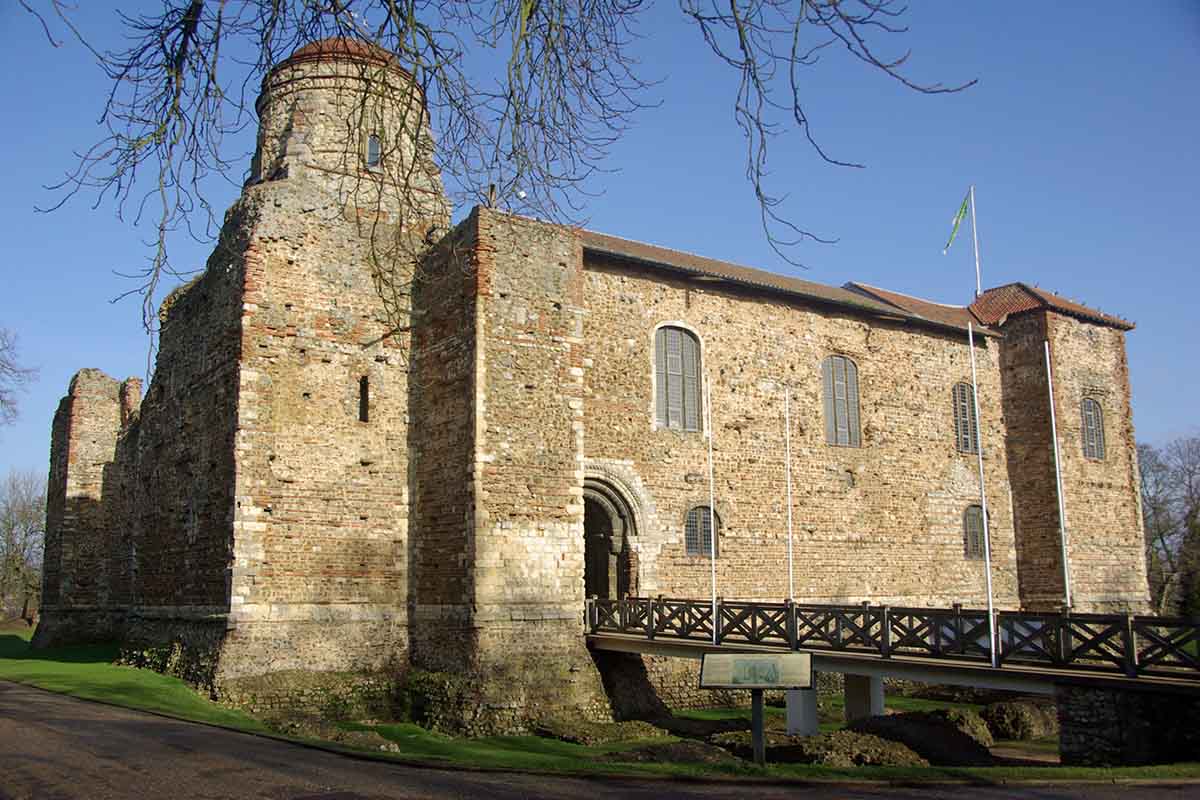
Colchester was the first capital of Roman Britain and is widely regarded as Britain’s first city. Its Roman heritage is still visible today, from stretches of ancient town wall to the remains of a chariot-racing arena.
One of the best ways to explore this history is to walk along the surviving Roman town walls. Built after the revolt led by Boudicca, the walls once enclosed the Roman settlement. Look out for the Balkerne Gate, the impressive remains of the main western entrance to the town. Although much of the original gateway has disappeared, the surviving arches demonstrate how imposing it must have been.
In AD 60 or 61, the British warrior queen Boudicca led a revolt against Roman rule, which resulted in the destruction of Colchester. Evidence of the devastating fire survives in the archaeological record as a layer known as the Boudiccan destruction horizon. You can see a section of this historic layer beneath a glass panel at the George Hotel, a fascinating reminder of the violence that once engulfed the town.
For something more unusual, visit the Roman Circus Visitor Centre. Colchester is the only location in Britain with convincing archaeological evidence of a Roman circus. Chariot racing took place in this vast arena, which could accommodate up to 8,000 spectators. The remains here offer a glimpse of the entertainment enjoyed by Roman residents. The visitor centre uses displays and models to help bring the lost structure to life.
Finally, make time for Colchester Castle. Work began on the castle around 1076. Built over the remains of the Roman Temple of Claudius destroyed by Boudicca, it’s the largest Norman keep ever built.
Today, its museum houses an impressive collection of archaeological finds, including Roman artefacts that reveal more about life in Camulodunum. It’s an excellent place to round off your exploration of Colchester’s ancient past.
See Wild Essex on Wallasea Island
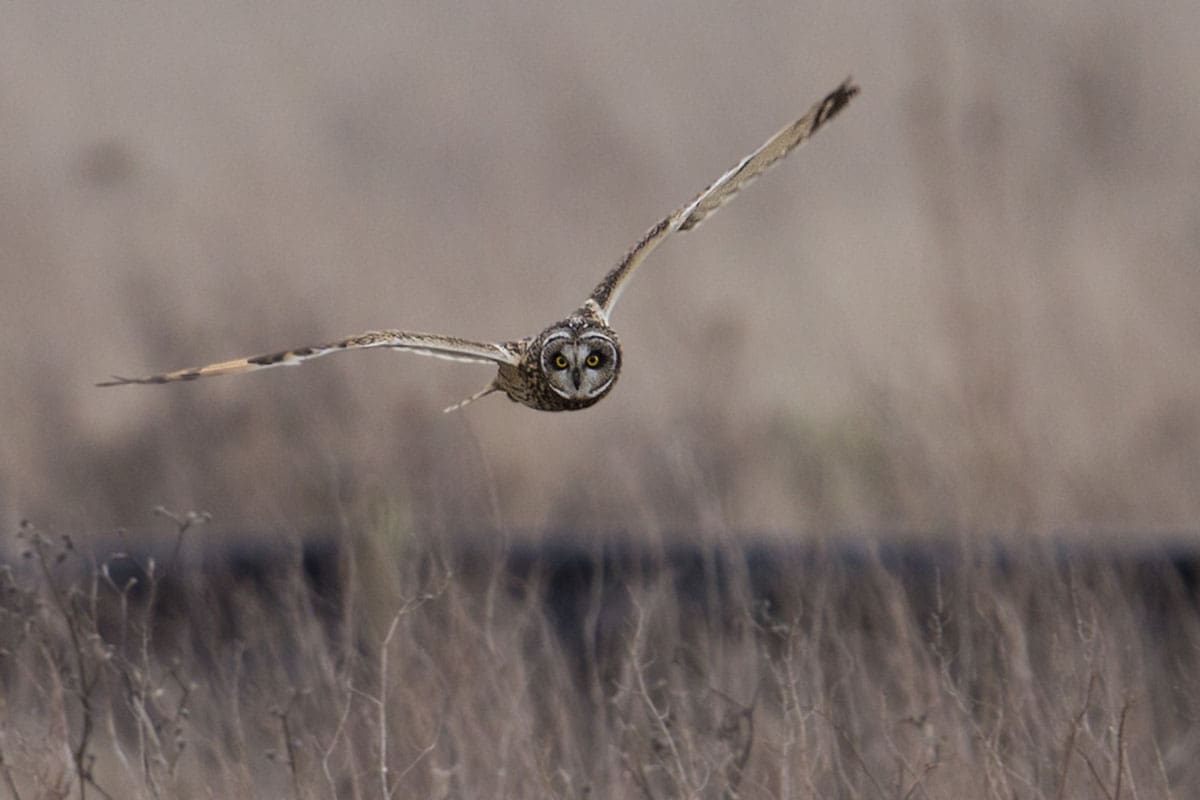
The RSPB reserve at Wallasea Island is a fantastic place to experience wild Essex, with sweeping marshes, lagoons and mudflats that attract an abundance of birdlife.
The landscape has an unusual modern origin. More than three million tonnes of earth excavated during construction of London’s Elizabeth line were transported by ship to Wallasea. The RSPB used the soil to raise the land and create new intertidal habitats, transforming the island into a haven for wildlife.
There are six walking trails to explore, taking you through different habitats where you might spot short-eared owls, merlins and hen harriers, alongside waders, wildfowl and other marshland species. The reserve is rewarding at any time of year, but autumn and winter are particularly good seasons to visit, when migrant birds arrive in large numbers.
Look out across the River Roach for an extraordinary link to maritime and scientific history. An information board at the reserve points towards the site near Paglesham where HMS Beagle, the ship that carried Charles Darwin on his famous voyage, was moored during its final years. The Beagle was later sold and broken up, but local digital heritage projects allow visitors to use their smartphones to see how the vessel would have appeared in its original setting. It’s a remarkable connection between this wildlife-rich corner of Essex and the voyage that helped shape Darwin’s theory of evolution.
Accessibility at Wallasea Island
The RSPB lists several wheelchair-accessible routes, including the Allfleets Trail and Jubilee Marsh Trail, which cross unsurfaced grass paths, and a surfaced path leading towards Beagle Lagoons and Grass Farm Lagoon. However, this is a wetland reserve, and I’d be cautious about relying on the grass paths during winter, when they can become muddy and difficult to negotiate. Check conditions before setting out if you have limited mobility.
The car park is a useful alternative for wildlife watching. From it, you can view the reserve and see many bird species without stepping out of your vehicle. I took the owl photograph at the top of this section from the car park. On another visit, I spotted seven different species of owls and birds of prey from it. Accessible toilets are also available on site. There are two Blue Badge parking spaces near the trail entrances, but if you want to watch the reserve from your car, you’ll need to use the main car park.
Catch the Train Along Southend Pier
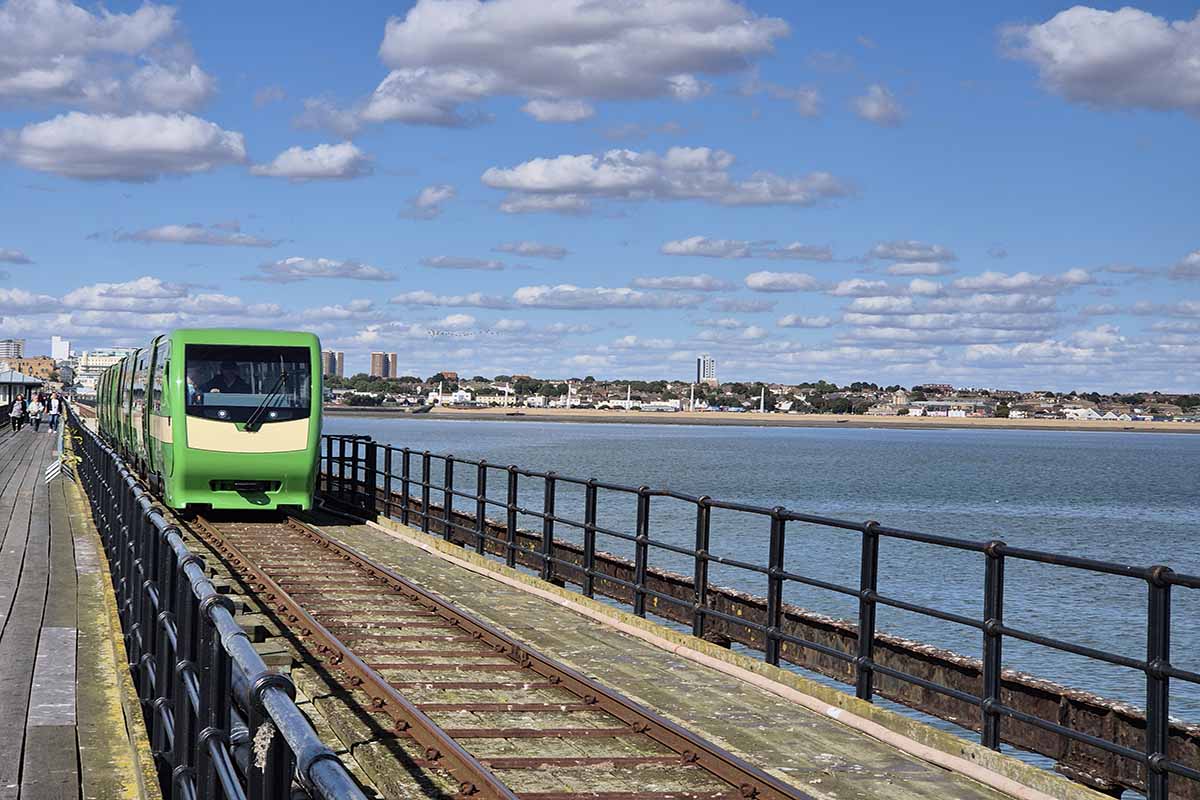
The Victorians loved a pleasure pier, and Southend, perfectly placed for day-tripping East Londoners, was no exception. However, the Thames Estuary’s extensive mudflats and large tidal range made it difficult for passenger steamers to land at the shore at low tide.
The solution was the Southend Pier, which grew to become the longest pleasure pier in the world, stretching more than 1.3 miles into the Thames Estuary. Even this presented another problem: walking the full length was a long undertaking. The answer was a narrow-gauge railway, which still carries visitors along the pier today.
Southend Pier – Opening Times
| Facility or service | Opening times |
|---|---|
| Southend Pier | Daily, 10.15am–6pm. Last entry at 5pm. Weather-dependent; opening times may change. |
| Train from the shore | Every 30 minutes, at 10 and 30 minutes past the hour, from 10.30am. |
| Train from the Pier Head | Every 30 minutes, at quarter past and quarter to the hour. |
| Pier Museum | Saturday, Sunday and bank holidays, 11am–4.30pm; closed weekdays. |
| Offshore Café | Daily, 10.30am–5pm. |
| Offshore Restaurant | Daily, 10.30am–5pm. |
| RNLI Station | Daily, 11am–3.30pm. |
| Tea with the Tide | Monday, Tuesday, Wednesday, Friday, Saturday and Sunday: 10.30am–5pm; Thursday: 10.30am–6pm. |
If you’re making a day of it, there’s plenty more to enjoy along the seafront. Families can visit the Adventure Island theme park, while the amusement arcades offer a nostalgic seaside experience. You could also round off your visit at the SeaLife Adventure ‘Zooquarium,’ making Southend a good choice for a full day out rather than just a trip to the pier.
Alternatively, for a more sophisticated addition, why not try afternoon tea at the 18th century Royals Hotel. Note, due to the hotel’s age and listed status, it’s not wheelchair accessible.
Start with a visit to the pier museum to discover its history, then board the train for the journey to the pierhead. Once there, you can enjoy the estuary views, grab fish and chips or treat yourself to an ice cream. The railway is the star attraction, but the pier itself is a wonderful survivor of Britain’s traditional seaside culture.
Dedham Vale – Constable Country
Dedham Vale is a beautiful part of Essex, designated a national landscape in 1970. Its meandering rivers, water meadows, historic villages and skies inspired the artist John Constable.
Constable’s work, and Dedham itself, have a special place in my heart. Growing up, we had a large print of The Hay Wain above our fireplace.
Including Dedham Vale in a list of places to visit in Essex may be a little controversial, as the valley straddles the Essex–Suffolk border. However, it certainly deserves a place on any list of the best things to do in Essex.
The best-known spot is Flatford, where you can see the landscapes immortalised in Constable’s paintings, including The Hay Wain. The thatched roof of Willy Lott’s House, the millpond and the River Stour remain instantly recognisable. Visit Flatford to explore the hamlet, discover more about Constable’s life and work, and enjoy the peaceful riverside setting.
For a different perspective, head to Dedham village, with its attractive historic buildings, independent shops, traditional pubs and tearooms. I recommend the Essex Rose, a Tiptree tearoom where you can enjoy a traditional cream tea. Tiptree’s world famous jams and preserves are made nearby.
The village skyline is dominated by the fifteenth-century church of St Mary the Virgin. Inside, you can see John Constable’s The Ascension (1821–1822), one of only three religious oil paintings he created for churches in the Stour Valley.
Nearby, the River Stour provides a lovely setting for a walk. You can also hire a rowing boat and experience the landscape from the water.
Walking is one of the best ways to appreciate Dedham Vale. Paths follow the river through meadows and open countryside, offering opportunities to spot wildlife and enjoy the scenery at a leisurely pace. If you have time, combine Flatford and Dedham for a rewarding day exploring Constable Country.
A practical warning: parking can be extremely difficult during summer weekends, particularly around popular spots such as Flatford. Arrive early, check parking arrangements before setting off, and consider visiting on a weekday or outside the peak season if you prefer a quieter experience.
Discover Tudor History and Armada Heritage at Tilbury Fort
If you enjoy history, Tilbury Fort is one of the most interesting historic sites in Essex. Standing beside the River Thames, it was built to defend London against attack from the sea and played an important role in protecting the capital for centuries.
The site’s military history dates back to the reign of Henry VIII, when an artillery blockhouse was built here in the 1530s to guard the river. The fort you see today, with its impressive brick walls, bastions and defensive ditches, largely dates from the late seventeenth century. Its design reflects the changing nature of warfare and the need to defend the Thames against increasingly powerful artillery.
Tilbury is also associated with one of the most famous moments in English history. In 1588, as England prepared for the threatened invasion by the Spanish Armada, Queen Elizabeth I addressed her troops at a nearby military camp at West Tilbury. Her celebrated speech included the words, “I have the body of a weak and feeble woman; but I have the heart and stomach of a king, and of a king of England too”.
Unfortunately, the exact location of the camp is lost to history. The area is now an industrial estate, and there is no marker identifying the spot where the speech was delivered. Although you can’t visit the speech location itself, the story adds another fascinating layer to the history of Tilbury Fort.
Today, you can explore the fort’s ramparts, underground passages and historic buildings, while displays help explain its military purpose and the lives of the soldiers stationed here. Its position beside the Thames also makes it a fascinating place to appreciate the strategic importance of the river.
Tilbury Fort is a particularly good choice if you enjoy exploring historic defences away from the crowds. Allow time to wander around the site and take in the scale of the fortifications.
Before visiting, check the English Heritage website for current opening dates, admission prices and visitor information. The fort closes for the winter, reopening on 17 March 2027, and is normally closed on Mondays and Tuesdays during the open season. Wednesday, Thursday and Friday tickets are cheaper than weekend admission.
Pro Tip: Tickets are 15% cheaper when booked online in advance.
Cross the Causeway to Mersea Island
See the colourful beach huts
The multicoloured beach huts at West Mersea are among the island’s most recognisable sights. Along the shore, they create a lovely photo, mainly when the sunlight shines on the colourful doors and boats rock on the water. Take a stroll along the waterfront and enjoy the views across the Blackwater Estuary.
Mersea is also popular with sailors and watersports enthusiasts, but you don’t need to be active to appreciate it. A walk along the seafront, a spot of birdwatching or a seat overlooking the water can be just as rewarding.
Sample Mersea’s famous oysters
Mersea has a long history of oyster fishing, and its oysters are among the best-known local delicacies in Essex. Sheltered estuaries on the island create a good environment for oyster farming, and seafood plays a big role in its identity.
If you enjoy seafood, look out for local oysters and other fresh fish at the island’s restaurants and seafood outlets. Even if oysters aren’t your thing, it’s worth sampling the local food and enjoying the relaxed atmosphere of a place where the sea remains central to everyday life.
Check the tides before you go
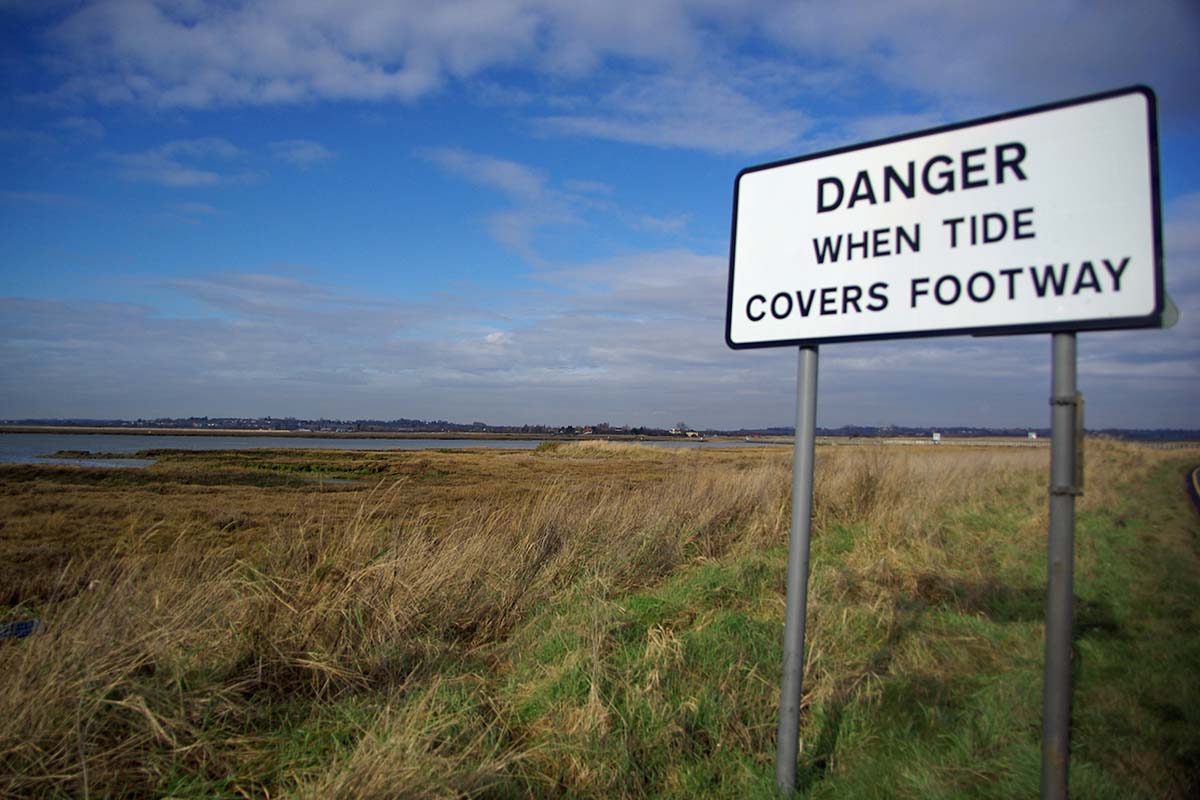
The causeway is the most important practical consideration when visiting Mersea. At high tide, the road can be covered by the sea, cutting off the usual route between the island and the mainland. Check the tide times before setting out and plan your crossing carefully. Never attempt to cross if the water is covering the road or rising around it, and allow plenty of time to return before the next high tide. If the tide is above 4.5m, locals recommend waiting at least an hour (ideally 90 minutes) on either side of high tide before crossing.
Mersea Island makes a rewarding excursion if you’re exploring the Essex coast. Whether you come for the beach huts, oysters, maritime heritage or simply the unusual experience of an island reached by a tidal causeway, it offers something quite different from the county’s better-known attractions.
Discover Radio Caroline and the Ross Revenge
Perhaps you’re of an age when you listened to the pirate radio stations broadcasting rock and pop music from ships anchored off the British coast. Even if you’re not, a visit to the Ross Revenge is a chance to step back into a fascinating part of broadcasting history.
The most famous of them all, Radio Caroline began broadcasting in 1964, challenging the BBC’s dominance of popular music on British radio. Broadcasting from ships outside UK territorial waters, it brought music to listeners who wanted something different from the stranglehold of the official stations. Although the original Radio Caroline ship was the Fredericia, it was the Ross Revenge that became the station’s best-known home during its later offshore years.
Built in Germany in 1960, the Ross Revenge was originally a huge fishing trawler operating from Grimsby. In 1983, she was converted into a radio ship, complete with an enormous aerial mast, and spent years broadcasting from international waters. After being driven aground on the Goodwin Sands in a storm in 1991, dedicated volunteers rescued and gradually restored her. Today, visitors can explore her remarkable history as she lies moored on the River Blackwater near Bradwell-on-Sea.
Take a boat trip to the Ross Revenge
You can visit the ship on a boat trip departing from Bradwell Marina. The journey takes around 30 minutes each way, and you spend approximately an hour and a half exploring the vessel.
Tours take place both during Radio Caroline North’s live broadcast weekends and on non-broadcast dates. When the station is broadcasting, you may meet presenters and visit the live studio. On non-broadcast trips, you can explore the crew cabins as well as learning about the ship’s history as both a fishing trawler and a radio station.
This is more than a conventional museum visit. You get to see the cramped working spaces, studios and equipment aboard a real ship that played a part in British popular culture. Even if you weren’t around during the heyday of pirate radio, the story of the people who kept the station broadcasting is fascinating.
Practical information: Trips cost £40 per person, and must be booked in advance. Check the Radio Caroline boat trips page for dates and availability, or email boattrips@radiocaroline.co.uk to enquire.
One important point: the Ross Revenge is a working historic vessel, not a purpose-built visitor attraction. There are steep stairs, and visitors need to be reasonably able-bodied and able to climb them without assistance or walking aids. Wear sensible footwear with good grip and clothing suitable for the weather. Check the accessibility requirements before booking if you have mobility difficulties.
For anyone interested in music, broadcasting or maritime history, this is an unusual Essex attraction with a story you won’t find in many other places.
Have Lunch in England’s Prettiest Village, Finchingfield

Finchingfield is often described as one of the prettiest villages in England, and it’s easy to see why. With its duck pond, village green and pastel-coloured cottages, many with thatched roofs, it looks like a picture postcard brought to life.
Start your visit at the duck pond and village green, where you can admire the cottages and take photographs from different angles. Then stroll along Bridge Street to explore more of the historic village centre. If you’re ready for lunch, The Fox on the Green is a historic coaching inn overlooking the green, serving food and drinks in a lovely setting.
After lunch, walk uphill along Church Hill to St John the Baptist Church, which dates back to the 12th century. You get a unique view of the village from the churchyard, but the climb might be difficult if you struggle with mobility. Afterwards, wander back towards the pond, perhaps stopping at the Red Lion for a drink.
If you have more time, consider visiting Finchingfield Post Mill, the oldest surviving windmill in Essex. It lies beyond the village centre and opens only on selected days, so check opening arrangements before making a special trip. The Mill is usually open on the third Sunday of each month from April to September, between 2 pm and 5 pm. However, opening dates can vary, so check the Explore Essex website before visiting.
Allow around 30–45 minutes for a stroll around the village, or longer if you stop for lunch and explore the church.
Pro Tip: Finchingfield is very popular, especially on sunny weekends. I last visited during the week and still struggled to park close to the green. My advice is to use the free car park on Stephen Marshall Avenue, a short walk from the village centre.
Visit St Peter-on-the-Wall, One of England’s Oldest Chapels
One of the county’s most extraordinary historic buildings, St Peter-on-the-Wall, stands alone on the Essex coast. Built around AD 654 by St Cedd, a missionary from Northumbria, it is among the oldest surviving Christian churches in England. St Martin’s Church in Canterbury is older, with origins dating to before AD 597, and features in my Best Places to Visit in Kent post.
Constructed using bricks and stone from the remains of a Roman fort called Othona, its simple appearance reflects its remarkable age. Inside, you’ll find a peaceful, almost bare space, a striking contrast to the busy world outside. The church is plain, but history seeps from the stones. Parts of the building have survived for 1400 years.
It’s not easy to get to, St Peter-on-the-Wall stands on the remote Dengie Peninsula, near Bradwell-on-Sea. From the small car park at the end of East End Road, it’s a walk of around 850 metres across open farmland on an uneven, sometimes muddy track. The chapel is open to visitors during the day, and there’s no admission charge, although donations are welcome.
The surrounding landscape is just as memorable as the chapel itself, with wide skies, coastal marshes and views across the estuary. It’s a wonderful place for anyone interested in history, photography or simply finding somewhere quiet and away from the crowds.

I have a particular affection for St Peter-on-the-Wall. I attended an astrophotography course here in 2022. Light pollution is low at the chapel’s remote spot, so it’s ideal for night-sky photography. Capturing the Milky Way above this ancient building was a memorable experience.
Pro Tip: Check access arrangements before setting off, and remember that there are no toilets or refreshments at the chapel. Allow around 15–20 minutes each way for the walk from the car park, plus time to explore the building and enjoy the setting.
Sail on a Thames Barge at Maldon

The red-brown sails of a traditional Thames barge are an unmistakable sight on the Essex waterways. For centuries, these flat-bottomed vessels moved cargo around the Thames Estuary and the shallow rivers and creeks of south-east England. Their design made them ideal for navigating waters that larger ships couldn’t easily reach, and some travelled much further along the coast.
You can experience a little of this maritime history for yourself by taking a trip aboard one of Maldon’s historic sailing barges. TopSail offers sailing experiences on traditional Thames barges. However, since they don’t set sailing dates on a regular timetable, check their website and book in advance.
There’s more to Maldon than its maritime heritage. Take a stroll along the waterfront to the statue of Byrhtnoth, the Anglo-Saxon leader who commanded the English forces at the Battle of Maldon in 991 AD. The Vikings won the battle, and Byrhtnoth was killed. Its story was immortalised in The Battle of Maldon, a famous poem written in Old English.
The statue stands on the promenade facing the area around Northey Island, traditionally associated with the battlefield. Even if you don’t sail, it’s worth taking time to explore Maldon’s waterfront. It’s easy to imagine the very different world of ships, trade and conflict that once shaped this corner of Essex.
Visit the Museum of Power
If you have time for another Maldon attraction, the Museum of Power at nearby Langford is well worth considering. Housed in a former water-pumping station, it explores the history of engineering and power generation. The museum features impressive steam-powered machinery, a miniature railway and a model village. It’s a good choice for engineering enthusiasts and families. Check opening times before visiting, as these can vary.
Experience Greyhound Racing at Romford

For a very different Essex experience, spend an evening at Romford Greyhound Stadium. Greyhound racing has been a part of local life here since the stadium opened in 1929. The atmosphere builds as the dogs line up at the traps and race around the track, with spectators cheering their favourites across the finish line.
You can feel part of the action without knowing the intricacies of a reverse forecast or an all-ways trifecta. The minimum bet is just £1. Alternatively, you can simply enjoy the racing and soak up the atmosphere without placing a bet. For a more leisurely evening, book a table in one of the stadium’s restaurants, where you can eat while watching the action. It’s an unusual night out and a chance to experience a side of Essex that’s quite different from its historic villages, coastal landscapes and country houses.
Racing takes place on selected mornings, afternoons and evenings throughout the week. General admission on Friday and Saturday evenings is charged (adults £7 pre-booked, U18s £5) with free admission for most other meetings. Check the official racing calendar and ticket prices before travelling, as schedules can change. You should make restaurant bookings in advance, and parking spaces are limited. The stadium is about a 25-minute walk from the train station.
Latest Posts from the United Kingdom


Best Things to do in…