
Is Zanzibar Worth Visiting? 12 Reasons to Visit Tanzania’s Spice Islands
Is Zanzibar worth visiting? Zanzibar conjures up exotic images of beautiful white-sand beaches, turquoise seas, fascinating history and distinctive Swahili culture, This Tanzanian archipelago has plenty to offer visitors. But is it somewhere you should put on your travel itinerary, particularly if you prefer independent travel to an all-inclusive beach holiday? Read on for a detailed review of whether Zanzibar is worth visiting as a stand alone destination, or as an addition to a safari holiday in Tanzania.
The Do Not Go Gently Travel Blog uses affiliate links. If you make a purchase after clicking on one of these links, I may receive a small commission payment at no extra cost to you.
Zanzibar is often associated with luxury beach resorts and romantic escapes, but there is considerably more to the island than its beaches. In Zanzibar, you can explore the narrow streets of historic Stone Town or visit spice plantations. Discover traditional fishing villages, see rare endemic wildlife, and enjoy some of East Africa’s best coastal scenery. Zanzibar is worth visiting as it offers a surprisingly varied experience.
I spent more time than most visiting the island as part of my extended exploration of Tanzania, and I think Zanzibar is well worth visiting. It’s an excellent add-on to a safari holiday. But think carefully about what you want out of a visit to Zanzibar, and plan your accommodation and base accordingly. Here is what you need to know before deciding whether Zanzibar deserves a place on your African itinerary.
Stone Town: A fascinating historical destination

One of the best reasons to visit Zanzibar is Stone Town, the historic heart of Zanzibar City and a UNESCO World Heritage site.
Unlike the beach resorts, Stone Town has a distinctly urban atmosphere. Its narrow streets, old merchant houses, carved wooden doors and bustling markets reflect centuries of trading between Africa, Arabia, India and Europe.
It reminded me very much of a more laid-back Marrakech. Same narrow streets, same vendors asking you to come into their shops, but without the ‘you looked at it, you bought it’ vibe of the Moroccan city.
It is a fascinating place to explore on foot, although the streets can be confusing, and it is remarkably easy to lose your bearings. That is part of the attraction.
There are several places worth visiting, including:
- The Old Fort: One of Stone Town’s most recognisable landmarks, built by Omani Arabs in the late 17th century.
- The House of Wonders: An important historic building overlooking the waterfront, although check its current visitor arrangements before planning a visit.
- The Old Slave Market: A sobering reminder of Zanzibar’s involvement in the East African slave trade. This site includes a memorial and the Anglican Cathedral.
- Darajani Market: A lively local market where you can see traders selling fruit, vegetables, spices and fish.
- The Waterfront: Particularly atmospheric towards sunset, when locals and visitors gather around Forodhani Gardens.
- Stone Town’s carved doors. These intricately carved doors aren’t simply pieces of art, they tell the story of the owners who owned the property.
Some Stone Town Attractions are Being Refurbished
Be aware that Tanzania is a co-host of the AFCON (African Cup of Nations) football tournament in June/July 2027, and the entire country appears to be in the process of refurbishment. Two of the most important Stone Town sites, the House of Wonders and the Old Fort, are closed to visitors at the moment. I couldn’t find a proposed completion date, but Zanzibar is hosting some matches, and I suspect they’ll be trying to reopen ahead of the tournament.
I would recommend spending at least two or three nights in Stone Town. It is very different from the beach resorts and deserves more than a hurried sightseeing excursion.
Was Freddie Mercury From Zanzibar?

Yes! Freddie Mercury, the legendary lead singer of Queen, was born Farrokh Bulsara in Stone Town, Zanzibar, on 5 September 1946. His parents were of Farsi Indian heritage.
Although he spent much of his childhood in Zanzibar, he left the island to attend boarding school in India before eventually moving to England with his family in 1964, following the Zanzibar Revolution.
Today, Queen fans visiting Stone Town can explore his childhood home, which now houses the Freddie Mercury Museum, which celebrates his life, musical career and connection with the island. The museum displays photographs and memorabilia, offering an insight into his early years and extraordinary rise to international fame.
Even if you’re not particularly interested in Queen, it’s fascinating to discover that one of the world’s most recognisable rock stars began his life on this small Indian Ocean island. For music enthusiasts, the museum is another good reason to include Stone Town in a Zanzibar itinerary.
Zanzibar’s beaches are beautiful
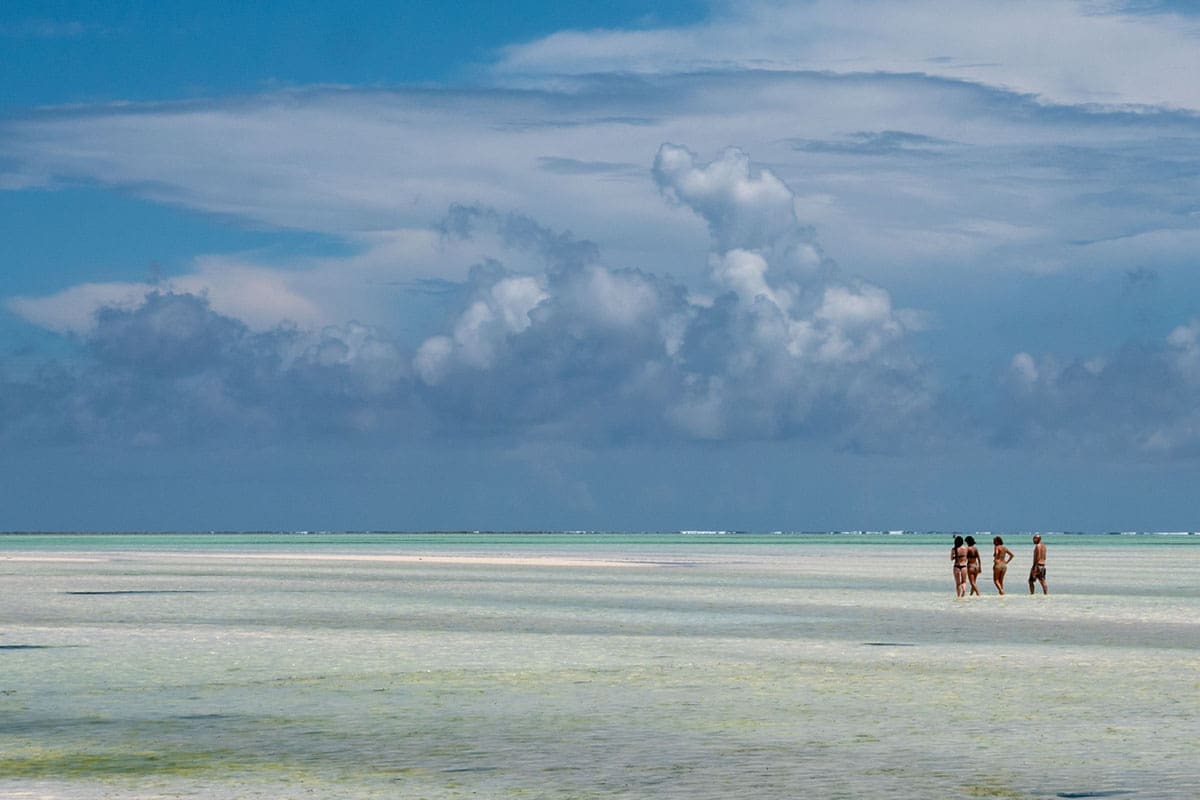
Many see Zanzibar as a beach add-on to, e.g. a safari trip to Tanzania. After a couple of weeks being bounced around in a dusty safari truck, a few days lounging on an exotic Indian Ocean beach can be very appealing.
A few days in a Zanzibar beach can indeed be a relaxing end to a holiday. The island has some spectacular stretches of white sand, backed by palm trees and fringed by the warm waters of the Indian Ocean. However, not all Zanzibar beaches are the same, and choosing the right location can make or break a trip.
Zanzibar’s east coast is particularly attractive, with stunning beaches to be found around Paje, Jambiani, and Matemwe. These are popular with visitors looking for a quieter atmosphere, although as with all popular areas, development has increased considerably in recent years. Paje, in particular, is losing this peacebul vibe as it has become a backpacker hub famous for its kite surfing scene.
The east coast beaches are also heavily tide dependent, with big tidal ranges. Swimming at low tide can mean a significant trudge to the water.
Nungwi and Kendwa, in the north, are among the island’s best-known beach destinations. The northern beaches experience less dramatic tidal variation, making them a better choice for swimming throughout the day.
The northern resorts are also the best for sunsets.
If swimming is your priority, research the tides and beach location before booking accommodation.
Zanzibar also features exclusive resorts on private islands. These are spectacular but, of course, come with a price tag.
Explore Zanzibar’s fishing villages and local life
One of the things I love about independent travel is getting away from the main tourist attractions and seeing how people actually live. Zanzibar has numerous fishing villages and small settlements where daily life revolves around the sea.
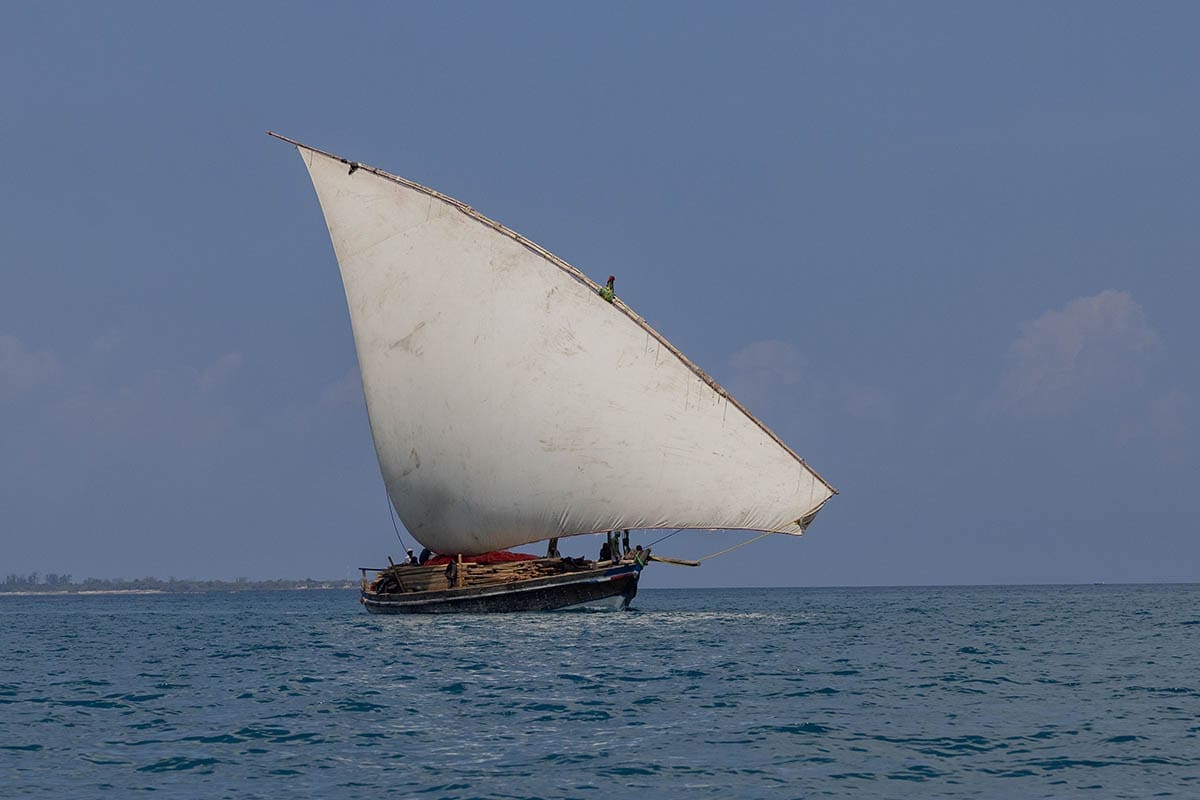
Along the east coast, you can see dhows, traditional wooden fishing boats, being used by local fishermen. Depending on the time of day, you may see boats heading out to sea or returning with their catch.
Jambiani is a good place to experience a more traditional coastal atmosphere, although tourism is now an important part of the local economy.
The seaweed farming industry is another interesting feature of the East Coast. Women have traditionally played a major role in cultivating seaweed in shallow coastal waters, although the industry has faced challenges from rising sea temperatures and changing conditions.
Exploring these communities and cultures will give you a deeper understanding of Zanzibar. The islands are much more than a beach resort.
Remember to be respectful when photographing local people and always ask permission.
Visit a Zanzibar spice plantation

During the 17th century, spices like cloves were so rare and sought after that they often cost more than gold. The European powers fought wars over control of the few locations which could grow them. Zanzibar’s climate, soil and strategic location gave the archipelago the nickname of “The Spice Islands”, Today, you don’t need to fight a war over spices. Instead, take a visit to a spice farm and learn about how spices are grown, harvested and processed.
A guided visit usually involves walking through a plantation while learning how different spices grow and are harvested. You may be surprised by how many familiar kitchen ingredients originate from trees, vines and plants that look very different from the dried products sold in supermarkets.
Tours often let you smell and taste fresh spices, and some show how local ingredients are used in traditional dishes. Some also include cookery classes.
A spice farm visit is a good way to experience something beyond the beaches and resorts. It is also an opportunity to learn more about the island’s agricultural traditions.
Visit Jozani Forest and see the Red Colobus monkeys

If you enjoy wildlife, Jozani Chwaka Bay National Park should be on your Zanzibar itinerary. The park is best known for its Zanzibar red colobus monkeys, an endangered species found naturally on the island. Unguja, the main island of the Zanzibar archipelego is the only place in the world where they can be seen.
Despite this, the monkeys are relatively easy to observe, particularly when accompanied by a knowledgeable local guide. They are often seen moving through the trees, feeding and interacting with one another.
The forest itself is also worth exploring, with a mixture of woodland, mangroves and other habitats.
A visit to Jozani offers a welcome change from the coastal scenery, especially if you are interested in wildlife photography. Of course, as with all forest wildlife photography, conditions can be challenging.
Although Zanzibar is not a conventional safari destination, its wildlife attractions add another dimension to a visit.
Take a boat trip to Prison Island

Prison Island, also known as Changuu Island, is a popular excursion from Stone Town.
The prison, which gave the island its name, was originally planned as an ‘Alcatraz’ for troublesome slaves. But it never operated as a prison. Instead, it helped solve a more pressing problem. Ships docking to trade spices were bringing deadly diseases like cholera, typhoid and yellow fever. The prison proved an ideal quarantine location, with visitors required to spend time there to prove they were infection free.
The island is better known today for its giant Aldabra tortoises than for its former prison buildings. The tortoises are impressive creatures, with some reaching considerable ages. Visitors can observe them in the sanctuary and learn about the island’s conservation efforts.
Boat trips generally take around 20–30 minutes from Stone Town, depending on the conditions.
It is an easy half-day excursion and a good option if you want to spend some time away from the busy streets of Stone Town.
The excursion is often extended with a sand bar lunch and a walking tour of Stone Town.
Zanzibar has an interesting food culture

Food is another reason why Zanzibar is worth visiting.
Zanzibar is the ultimate cultural melting pot. Its position on historic trading routes has resulted in a food culture which blends African, Arab, Indian and other influences.
Seafood features prominently, with freshly caught fish, prawns, octopus and lobster appearing on many restaurant menus.
You should also look out for:
- Zanzibar pizza: A popular street-food snack, made with thin dough filled with various savoury or sweet ingredients.
- Pilau: A fragrant rice dish cooked with spices.
- Urojo: A tangy Zanzibar soup, often served with potatoes, fritters and other toppings.
- Coconut-based curries: Reflecting the abundance of coconuts on the island.
- Fresh tropical fruit: Mangoes, pineapples, bananas and coconuts are widely available.
For an authentic introduction to local food, visit Forodhani Gardens in Stone Town in the evening. Food stalls serve a range of local dishes and snacks, creating a lively atmosphere beside the waterfront.
I’d recommend visiting as the night market as part of a guided food tour. The local guides will know the best stalls and, more importantly, those with the best hygiene. E.g. I spotted large chunks of ice chilling a sugar-cane drink. My guide assured me he’d checked the stall out, and they used bottled water. He warned me to only come back to this stall.
Getting around Zanzibar independently

The Do Not Go Gently Travel blog champions independent travel, and you don’t need to book an organised holiday to enjoy Zanzibar. Exploring the island independently is possible, although transport requires a little planning.
Taxis are widely available, particularly around Stone Town and the main beach resorts. However, fares can be relatively expensive, and the taxis aren’t metred. Invoke rule number one of independent taxis and agree on the price before getting in!
Local minibuses, known as dala-dalas, provide a much cheaper way of getting around. They are used extensively by locals and can be an interesting experience, although they are usually crowded and a little uncomfortable.
If you are travelling with luggage or prefer a more straightforward journey, a private transfer may be worthwhile.
Hiring a car is another possibility, although driving conditions and local road practices may take some getting used to.
Can I Drive in Zanzibar with my Driving Licence?
Zanzibar is an autonomous region within Tanzania and has its own regulations. No international driving licence is recognised, and International Driving Permits (IDP) don’t allow you to drive here either. Instead, a Zanzibar Driving Permit is required. The hire car company usually arranges this, and it costs between $20 and $30.
For independent travellers, I would suggest using Stone Town as a base initially, then moving to one of the coastal areas for a few nights.
Is Zanzibar safe for independent travellers?
Zanzibar is a popular tourist destination, and many visitors explore the island without experiencing any problems.
But, as always, sensible precautions are important.
The streets are narrow and crowded, so be aware of your belongings in busy markets and crowded streets. Avoid displaying expensive cameras, phones and jewellery unnecessarily.
At night, stick to well-lit and populated areas, particularly if travelling alone. On the beaches, take care with valuables and avoid leaving possessions unattended while swimming.
It is also worth remembering that Zanzibar is a predominantly Muslim society. Visitors should dress respectfully when exploring Stone Town and local villages. Beachwear is appropriate at the beach and within resort grounds, but more modest clothing is advisable elsewhere.
I went on a boat trip, where some of the guests went swimming. Afterwards, a lady simply put a pair of shorts over her swimming costume. She was asked to put a T-shirt on when we returned to shore.
For solo travellers, particularly older visitors, I would recommend arranging airport transfers and longer journeys through reputable accommodation providers or established transport operators. These can be easily arranged through sites like GetYourGuide, or your hotel may offer a taxi as a, paid, service.
Is Zanzibar suitable for older travellers?
Zanzibar can be an excellent destination for older travellers, but there are some practical considerations.
Stone Town is not especially easy to navigate if you have mobility problems. Its narrow streets, uneven surfaces and occasional steps can make walking challenging. Kamikaze motor cyclists can also be a threat to health. I saw one of these crash into a group of tourists in my first few hours in Stone Town. Fortunately, nobody was hurt
If mobility is a concern, choose accommodation carefully. Ask about steps, lifts, access to restaurants and the distance between rooms and communal facilities.
The beaches are beautiful, but getting around can be difficult in places. Sandy tracks, uneven pavements and poorly maintained roads are common, particularly away from the main resorts.
The tides are another consideration. On the east coast, walking across exposed seabed can involve uneven surfaces, pools of water and slippery seaweed.
For a more relaxed beach holiday, the northern beaches around Nungwi and Kendwa may be more convenient, particularly if swimming is important.
It is also worth considering the heat and humidity. Sightseeing is generally more comfortable in the morning or late afternoon, with a break during the hottest part of the day.
When is the best time to visit Zanzibar?
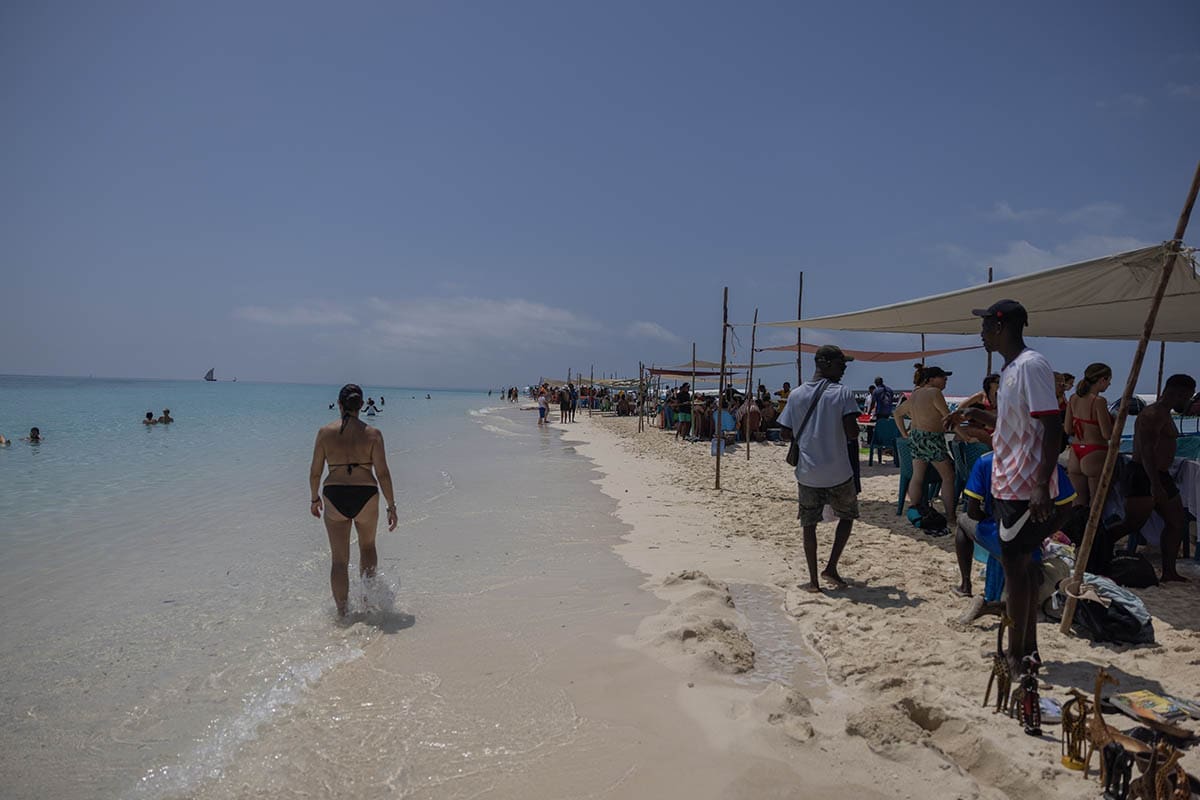
Zanzibar has a tropical climate, so it is warm throughout the year. However, rainfall and humidity vary considerably between seasons.
June to October: Usually considered one of the best periods to visit. The weather is relatively dry, humidity is lower and conditions are pleasant for sightseeing and beach activities.
December to February: Another popular period, with hot and generally dry weather. Temperatures can be high, but it is an excellent time for beach holidays.
March to May: The main rainy season. Heavy rainfall can affect travel plans, and some hotels and guest houses close during this period.
November: The short rains usually occur during this month, although conditions vary from year to year. Rainfall is generally less persistent than during the main rainy season.
If you want to combine sightseeing with beach time, June to October is a particularly good choice.
How long should you spend in Zanzibar?
I would recommend allowing at least five to seven days if you want to experience more than one part of the island. As you have to take a flight or ferry to get to Zanzibar, it doesn’t make sense to only do a day or two there.
A possible itinerary would be:
- Days 1–2: Explore Stone Town, visit the Old Slave Market, wander through the markets and enjoy the waterfront.
- Day 3: Take a boat trip to Prison Island or visit a spice plantation.
- Days 4–5: Explore Jozani Forest and spend time discovering the east coast.
- Days 6–7: Relax on the northern beaches around Nungwi or Kendwa.
If you have two weeks, you can explore at a much more leisurely pace, spending several nights in different parts of the island.
I would avoid trying to see everything in a couple of days. Zanzibar is somewhere to slow down and enjoy the atmosphere as much as the individual attractions.
Insurance and visa requirements for Zanzibar
Before travelling to Zanzibar, it’s important to check both Tanzania’s visa requirements and the island’s compulsory travel insurance arrangements. Although Zanzibar has its own government, it is part of the United Republic of Tanzania, so most visitors follow Tanzania’s immigration procedures.
Visa requirements
British citizens require a visa to visit Tanzania, including Zanzibar. A single-entry tourist visa is generally valid for up to 90 days and currently costs US$50. You can apply online through the official Tanzania Immigration eVisa website before travelling, or obtain a visa on arrival at designated entry points.
Your passport should be valid for at least six months from your arrival date, with an appropriate blank page for immigration stamps. Check the latest requirements before departure, as immigration rules can change.
If you are visiting both mainland Tanzania and Zanzibar, you do not normally need a separate visa for the island.
Compulsory Zanzibar travel insurance
There is an additional requirement that catches many visitors by surprise. Since October 2024, Zanzibar has required foreign visitors to purchase its own inbound travel insurance from the Zanzibar Insurance Corporation (ZIC).
From 1 October 2026, this requirement also forms part of Tanzania’s wider inbound insurance arrangements. The cost is US$44 per adult, covering stays of up to 92 days. Importantly, this is compulsory even if you already have comprehensive travel insurance.
You can purchase the policy through the official Visit Zanzibar insurance website. Keep your insurance certificate and QR code available to show to immigration.
If you enter Tanzania through Zanzibar, you purchase the ZIC policy. If you enter through mainland Tanzania first, you purchase the equivalent policy from the National Insurance Corporation (NIC). You do not need both when visiting mainland Tanzania and Zanzibar on the same trip.
Also, note that whereas the visa is single entry, you can leave and reenter Tanzania during the 92-day insurance period without invalidating it.
Remember that this compulsory policy is not a substitute for comprehensive travel insurance. I would still recommend cover for medical emergencies, evacuation, repatriation, cancellation, baggage and any activities you intend to undertake.
For further information, check the UK Foreign Office Tanzania travel advice.
So is Zanzibar worth visiting?
For me, the answer is yes, Zanzibar is definitely worth visiting.
Zanzibar’s combination of history, culture, wildlife, food and beautiful beaches raise its appeal above normal beach holidays.
If you enjoy history and culture, Stone Town alone makes the journey. Add the spice plantations, fishing villages, Jozani Forest and the island’s spectacular coastline, and you won’t be bored. It can also be the perfect ending to a safari trip which is the main reason people visit Tanzania.
That said, Zanzibar isn’t perfect. Transport can be frustrating, some beaches are affected by dramatic tides, and the island’s popularity means that certain coastal areas have become heavily developed. It also feels more expensive than mainland Tanzania.
However, if you are prepared to explore independently and venture beyond the beach resorts, Zanzibar has plenty to offer.
I would particularly recommend it to travellers who want to combine a relaxing beach break with fascinating history, culture and wildlife.
Ultimately, Zanzibar is worth visiting for much more than its beaches.
Latest Posts from Tanzania

Latest Best Things to do in… Posts