
Is Chile Safe for Travellers? A Complete Safety Guide for 2026 Day Trip: A Complete Guide
If you are planning a trip to South America, you may be wondering: Is Chile safe for travellers?
Chile has a relatively high rate of petty crime, muggings, and vehicle crime. Politically, the country has been volatile throughout its history, so demonstrations pop up regularly here. Chile also sits on the Pacific Ring of Fire, so you can add earthquakes, volcanic eruptions, and tsunamis to the list of hazards tourists might face. Surely then, the answer to the question ‘Is Chile safe for travellers?’ is absolutely not.
Actually, no. It’s easy to paint a dramatic picture, but Chile is one of the most popular countries in South America for independent travel. The vast majority of visitors leave with wonderful memories of spectacular scenery, excellent food, and warm and friendly people.
As always, when travelling independently or solo, particularly if you’ve got a few more miles on the clock, preparation can make a significant difference to your experience.
The Do Not Go Gently Travel Blog uses affiliate links. If you make a purchase after clicking on one of these links, I may receive a small commission payment at no extra cost to you.
Is Chile Safe for Travellers – The Official View
The UK Foreign, Commonwealth & Development Office (FCDO) currently advises travellers to exercise caution because of crime, protests, terrorism risks and natural hazards. The US State Department currently advises Americans to “exercise increased caution” in Chile because of crime, unrest and health risks. Australia’s SmartTraveller website advises, “Exercise a high degree of caution in Chile due to the risk of civil unrest and the threat of violent crime.” NB: Advice changes frequently, always check official government sources before travelling.
So, is Chile safe for travellers? The answer is that millions of tourists visit Chile successfully each year, but you should take sensible precautions, particularly in Santiago, Valparaíso and other major cities.
Is Chile safe for tourists?
Chile’s tourist infrastructure is well-developed, but crime is a safety concern for visitors.
The FCDO reports that pickpocketing, theft and muggings are common throughout Chile. Tourist areas, airports, bus stations, restaurants, hotels, and viewpoints can all be targets.
This does not mean that tourists should avoid Chile. Instead, it means that you should behave differently from how you might at home.
Take basic precautions. I like the Colombian phrase of ‘No dar papaya’ which means ‘don’t give papaya’. In other words, avoid displaying expensive watches, jewellery or cameras, don’t leave your mobile phone sitting on a restaurant table. Keep your passport and spare cash somewhere secure and carry only what you need. Petty thieves go for soft targets. Make it difficult for them, and they’ll pick someone else.
Be particularly careful when arriving at a new destination. Airports, bus stations and hotel lobbies are places where distracted travellers become easy targets.
Is Chile Safe for Travellers – Health

What Travel Vaccinations are Needed for Chile
For most travellers from the UK, there are no compulsory vaccinations for entering Chile. However, NaTHNaC recommends that travellers are up to date with routine UK vaccinations, including tetanus, diphtheria, polio and MMR.
Depending on your itinerary and individual circumstances, hepatitis A and typhoid vaccinations may also be recommended, particularly for longer trips, rural travel or where food and water hygiene may be less reliable. Rabies vaccination is generally only considered for travellers with increased exposure to animals.
There is no routine yellow fever vaccination requirement for Chile, or a need for malaria tablets.
Always take advice from a medical professional before travelling. Ideally, arrange a travel-health consultation four to six weeks before departure, particularly if you are visiting remote areas or have existing medical conditions.
Is the Water safe to Drink in Chile
The water is safe to drink in most urban areas in Chile, but bottled water is recommended because it is highly mineralised in areas like San Pedro de Atacama and doesn’t taste great. In more rural areas, avoid tap water and use bottled water.
Alternatively, I use this reusable bottle with a filter (Amazon Link). You can fill it from pretty much any source, even rivers and springs and it filters out 99.99% of viruses, bacteria, parasites, chemicals & microplastics. Removing the need for single use water bottles helps save the planet too!
Is Santiago safe?

Like any capital city, Santiago is the place where you are most likely to encounter security concerns during a trip to Chile. Like any capital city, there are places to go, and places not to go.
The US State Department specifically identifies several tourist areas where crime occurs, including Cerro Santa Lucía, Cerro San Cristóbal, Plaza de Armas, Bellavista, Yungay and parts of central Santiago.
Regardless of this, Santiago is a major international city with excellent hotels, restaurants, museums and public transport. The sensible approach is to take extra care rather than avoid the city altogether.
During the day, stay alert in busy tourist areas and on public transport. Uber is well established in Chile, and I always use them rather than local taxi companies. It may be a little more expensive, but the benefits outweigh the additional cost. You have the taxi registration and the driver’s name and picture. Both driver and passenger know the exact location of the destination. The fare is predetermined and can be paid by credit card. It also removes the risk of accidentally using gypsy cabs.
I’m a walker, and I love nothing more than wandering leafy suburbs, but care must be taken. Google Maps is great, but it takes you by the most direct route, which could well take you through some shady areas.
If you are staying in Santiago for several days, choose accommodation in a well-established area. Make sure you arrange transport back to your hotel after an evening out to take the stress away.
I visited Santiago on four separate occasions during my extended trip to Santiago. All the research I did pointed to Providencia as the safest neighbourhood to stay in.
Is Valparaíso safe for travellers?

Valparaíso is one of Chile’s most interesting cities, famous for its colourful houses, historic funiculars and street art. It is also a city where travellers should take particular care.
The FCDO specifically warns that muggings occur frequently in Valparaíso as well as Santiago.
The safest approach is to avoid wandering around unfamiliar areas without knowing where you are going, particularly after dark.
Keep your camera and phone concealed when they are not being used and avoid carrying large amounts of cash.
Valparaíso is worth visiting, but I would recommend treating it as a city where sensible urban precautions are particularly important.
Read about whether doing Valparaiso as a day trip from Santiago is a good thing – here
Is Chile safe for solo travellers?
Chile has a good transport infrastructure, and travelling independently is eminently possible. But solo travellers need to be more aware of their surroundings. It’s trickier without another person watching your belongings or helping deal with an unexpected situation.
This is particularly relevant when travelling between cities by bus.
When you check luggage into the hold of the bus, you’ll be given a ticket with the number corresponding to a label on your backpack or suitcase. Theoretically, this will prevent anyone from taking the wrong bags (accidentally or deliberately). Regardless, keep an eye on the hold at each stop (the longer intercity routes don’t have many).
Keep important belongings with you rather than placing them in easily accessible luggage compartments. The FCDO specifically warns travellers to take care of their possessions when boarding and leaving buses and to keep valuables with them.
For solo travellers, I would also recommend:
- Keep a photocopy or digital copy of your passport separately from the original.
- Tell someone your itinerary when travelling in remote areas.
- Use reputable accommodation with good reviews.
- Avoid walking alone late at night in unfamiliar areas.
- Don’t advertise the fact that you are travelling alone.
- Keep your phone and wallet out of sight when not required.
- Use official taxis or reputable ride-hailing services.
- Have travel insurance that covers your planned activities.
These are simple measures, and mainly common sense, but, as Mark Twain reputedly said, “I’ve found that common sense ain’t that common.”
These tips don’t guarantee a trouble-free trip, but they can substantially reduce the likelihood of problems.
Is Chile safe for senior travellers?
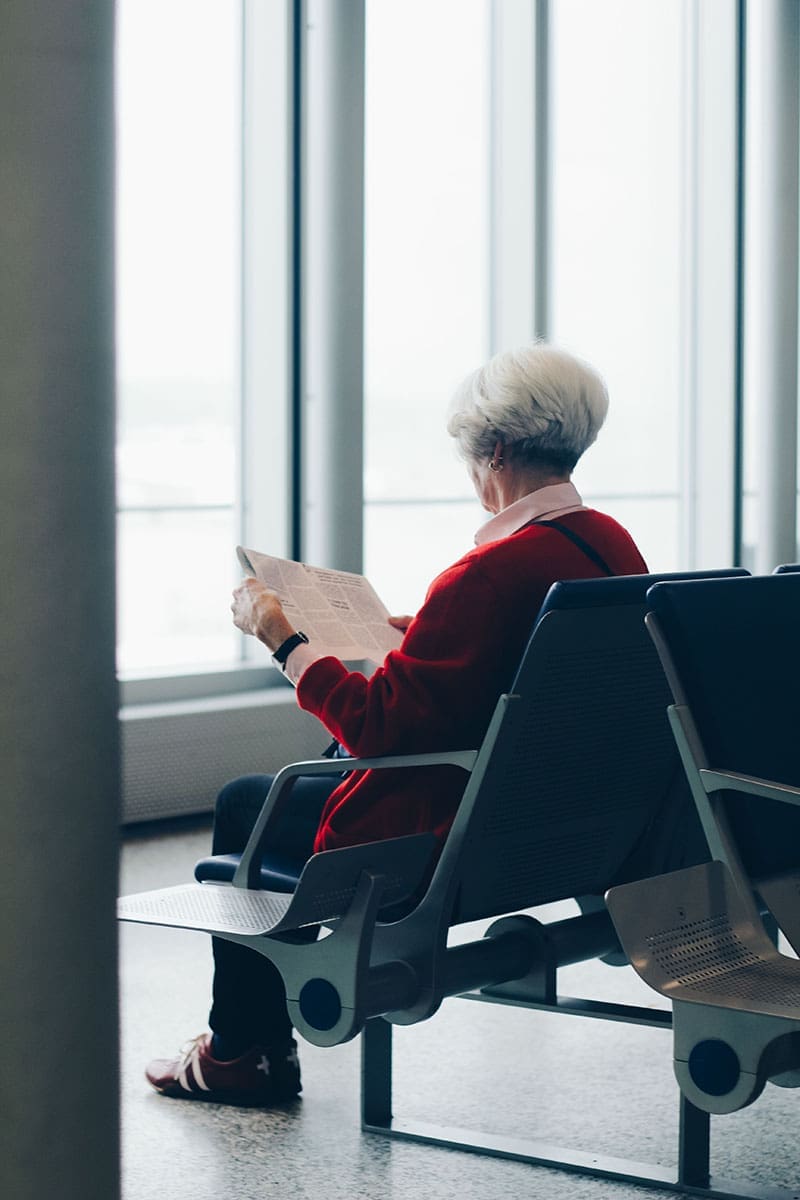
Chile is a great place for older travellers. It has beautiful landscapes, interesting cities, and many organised tours.
However, senior travellers should consider some additional issues.
The biggest urban concern is theft rather than an inability to travel independently. Older travellers may look like an easier target, so increased vigilance is essential. Keeping valuables secure and avoiding isolated areas is therefore particularly important.
Another consideration is the sheer size of Chile. Distances are enormous, and journeys can involve long flights, bus journeys, or remote excursions.
Car Hire: If you’re comfortable driving in Chile, then hiring a car is a great option for flexibility. The risks here lie in the remoteness of much of the country. Ensure the car is in good working order. Make sure you take provisions and water in case you get stuck, and give a friend details of your route and expected arrival time.
The FCDO also warns of vehicle crime, including theft from rental cars and incidents involving vehicles in major cities.
If you rent a car, never leave luggage visible inside it and be particularly careful when stopping at viewpoints.
Buses: While buses in Chile are very comfortable with executive style seating which even turn into lie flat beds, power and Wi-Fi, twenty-four-hour journeys are not uncommon. Imagine how you will feel if the toilet blocks four hours into the trip.
Planes: LATAM is Chile’s primary airline, serving major tourist destinations across the country. They offer a variety of travel classes for differing levels of cabin and hold luggage. I found that if you’re checking luggage, the price difference between economy and the upgrade to premium economy which gives more space and some extras.
Travel insurance should cover medical treatment, evacuation and any adventure activities you intend to undertake.
Taxi scams at Santiago Airport
One of the danger points in any journey is when you arrive at an unfamiliar airport. You’re tired, disoriented, and suddenly there’s a cacophony of people shouting at you to take their cabs. This is prime scamming territory. If you’re unlucky, that ‘official taxi’ will take you on an unscheduled tour of the city with the meter running. If you’re really unlucky, you’ll be driven to a dark alley where you’ll be relieved of your valuables.
Ignore them. If you haven’t arranged a pre-booked shuttle with the hotel, there are a few options to smooth your arrival. I always try to use a rideshare like Uber at this point, but sometimes they aren’t allowed to operate at airports. In this case, find the official taxi booth at the airport. They’ll ask you your destination, give you a fixed price which you can pay by card. You’ll then be handed off to an official driver who’ll take you to his card.
Should you worry about muggings in Chile?
Muggings are a more serious concern than simple pickpocketing.
The FCDO says muggings occur frequently, particularly in Santiago and Valparaíso, and that weapons including guns and knives may be involved.
The most important piece of advice is straightforward: do not resist a robbery.
Your phone, wallet, or watch is not worth risking your safety.
Try to avoid situations that make you an obvious target. Don’t withdraw large amounts of cash in public, don’t count money on the street and don’t walk around with expensive equipment visibly displayed.
Is public transport safe in Chile?
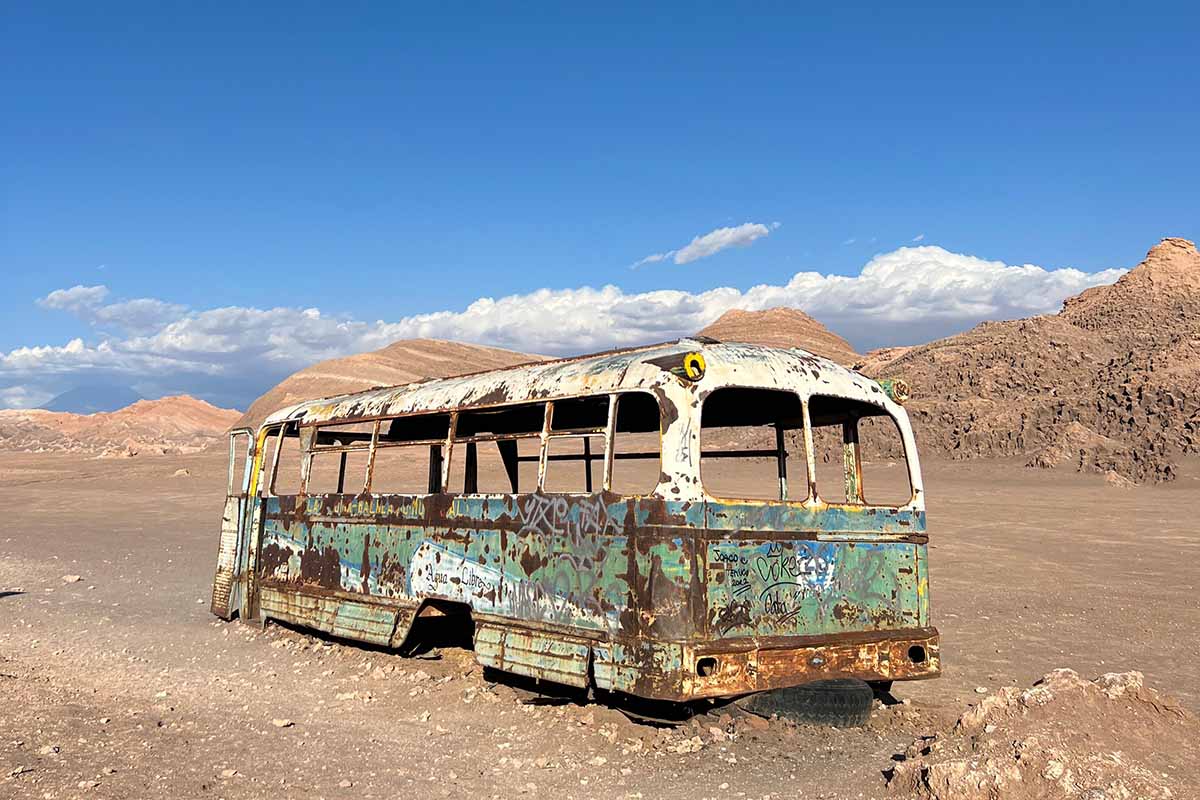
Chile has extensive public transport, and many travellers use buses to travel between destinations. The main concern is theft rather than the safety of the transport itself.
Be especially careful when getting on and off buses and at busy terminals. Keep your daypack or handbag where you can see it and keep valuables such as your passport, money, and phone on your person.
Never assume that a bag placed in a luggage compartment is completely secure.
Earthquakes and natural disasters
Chile is one of the world’s most earthquake-prone countries.
Major earthquakes are a recognised risk, although modern Chilean buildings are constructed with earthquake risk in mind. The FCDO notes that earthquake safety measures are widely understood and implemented by national and local authorities.
Chile also experiences volcanic activity, flooding, and major forest fires. If you are travelling in rural or mountainous areas, check local weather and emergency information before setting out.
Chile’s national disaster agency, SENAPRED, provides warnings about hazards including severe weather and forest fires.
Is Patagonia safe?
Patagonia is very different from Santiago or Valparaíso from a crime perspective.
The principal risks are more likely to involve weather, remoteness, and outdoor activities.
Solo hiking is for the experienced. Don’t think a walk around your local park will prepare you for Patagonia. Weather can change rapidly, particularly in mountainous areas. If you are hiking independently, check the forecast and trail conditions and make sure somebody knows where you are going.
Do not underestimate distances. A seemingly straightforward walk can become much more demanding in strong winds, rain, snow, or extreme temperatures.
For longer or more challenging hikes, consider joining an organised excursion rather than travelling independently.
Is the Atacama Desert safe?

The Atacama is another area where the biggest risks are environmental rather than conventional crime.
Extreme dryness, intense sunlight, high (and subzero) temperatures, and altitude can all affect visitors. When I arrived at Calama airport (the entry point for the Atacama) which stands at over 7000 feet, I immediately felt dizzy and had to sit for a while.
San Pedro de Atacama is a popular base for excursions, but many attractions are at considerable altitude.
Take time to acclimatise, drink plenty of water and avoid alcohol. If you have any medical concerns, discuss high-altitude travel with your doctor before travelling.
Organised tours are a sensible option because guides understand the conditions and distances involved.
Protests and political demonstrations
Demonstrations occur regularly in Chile, particularly in Santiago.
The FCDO warns that protests can become violent and advises travellers to avoid demonstrations. Police may use tear gas and water cannon.
Demonstrations can also disrupt public transport.
Certain dates are more likely to see protests, including 11 September, the anniversary of the 1973 military coup, 29 March and 1 May.
If you encounter a demonstration, don’t stop to watch or photograph it. Move away from the area and follow instructions from local authorities.
There are also ongoing security concerns in parts of the Araucanía region, where the UK government advises caution.
What should you do if you are robbed in Chile?
If you are the victim of a robbery, prioritise your personal safety.
Do not physically resist.
Report the incident to the police and contact your travel insurer if appropriate. If your passport has been stolen, contact the British Embassy or your country’s diplomatic representatives.
Chile’s emergency numbers are:
- Police: 133
- Ambulance: 131
- Fire: 132
Chile’s official tourism organisation also advises visitors to call 133 for immediate emergencies involving robbery, assault or accidents.
So, is Chile safe for travellers?
Is Chile safe for travellers? For most visitors, Chile can be travelled successfully and independently, provided they understand the country’s particular risks.
The biggest everyday concern is crime, particularly theft and muggings in major cities. Santiago and Valparaíso require more caution than many rural and wilderness destinations.
There are also natural hazards to consider, including earthquakes, volcanic activity, forest fires, flooding and extreme weather.
For senior and solo travellers, sensible precautions are especially worthwhile: choose accommodation carefully, arrange airport transfers in advance, protect your valuables, avoid demonstrations, take care with public transport and use reputable guides for demanding excursions.
Chile’s enormous geographical diversity is one of the reasons it is such an exciting destination. This also explains why people should not treat safety advice as one-size-fits-all.
Before travelling, check the latest UK government travel advice for Chile, particularly if your itinerary includes remote areas or regions affected by protests or extreme weather. Travel insurance covering your entire itinerary is also essential.
With sensible preparation rather than excessive caution, Chile can be an excellent destination for independent travellers, including those, like me, who are over 60.
Latest Posts from Chile



Best Travel Tips… Posts