Is Pula in Croatia worth visiting? A traveller’s guide to Istria’s laid-back coastal gem.
If you’ve been eyeing up Croatia but want something a little different from the Dubrovnik–Split–Hvar circuit, Pula in Croatia might be exactly what you’re after. It’s a sun-soaked city on the southern tip of the Istrian Peninsula where Roman history, Adriatic beaches, pine-scented promenades and superb food all come together, without the same level of crowds you’ll find further down the Dalmatian coast.
So, is Pula in Croatia worth visiting? For most travellers, the answer is a confident yes! This is especially true if you enjoy ancient sites, easy day trips, clear water for swimming and snorkelling. Another consideration is pace. Pula is more relaxed than relentlessly “touristy” places like Dubrovnik. Below, I’ll walk you through what makes Pula special, what to do, where to stay, when to go, and the honest pros and cons. Then, you can decide if it’s the right fit for your Croatia itinerary.
The Do Not Go Gently Travel Blog uses affiliate links. If you make a purchase after clicking on one of these links, I may receive a small commission payment at no extra cost to you.
I recently spent 2 months travelling across the Balkans by train using an Interrail pass. A significant amount of that time was spent in Croatia. These are the resources I used to plan my trip.
Hotels – Booking.com
Tours and Activities – GetYourGuide
Train Bookings – Rail Europe
Amazon Links
Travel Guides – DK Croatia (Travel Guide), Lonely Planet – Western Balkans
Why Pula in Croatia deserves a place on your itinerary
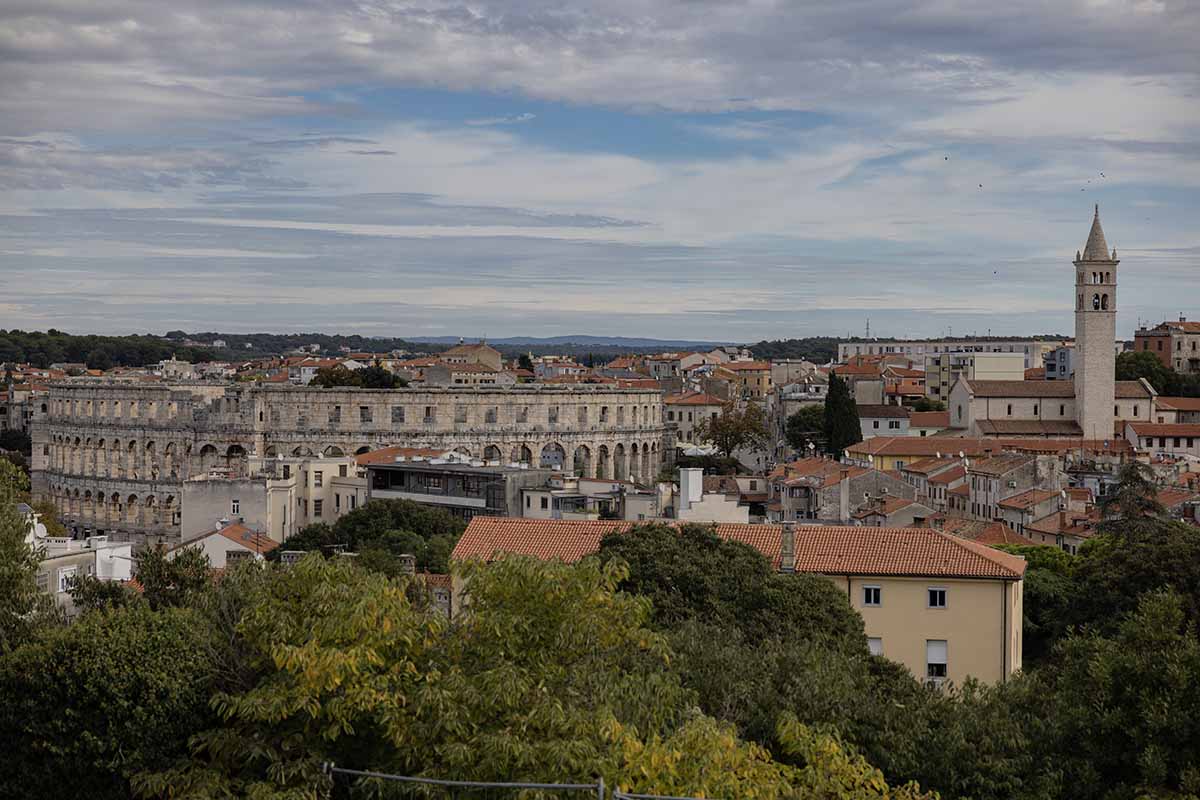
Pula is the largest city in Istria, and one of Croatia’s most underrated destinations. At first glance, it can come across like a working coastal city (because it is), but give Pula a day and you’ll see its charm. Pula abounds with cafe terraces, a lively market culture, a handsome old town, and a coastline dotted with coves and swimming spots.
What makes Pula in Croatia unique is the way big-ticket history blends with everyday Mediterranean life. You can spend the morning inside a Roman amphitheatre, eat truffle pasta for lunch, and be floating in turquoise water by mid-afternoon. Few places blend that combination so effortlessly as Pula does.
The headline act: a jaw-dropping Roman amphitheatre
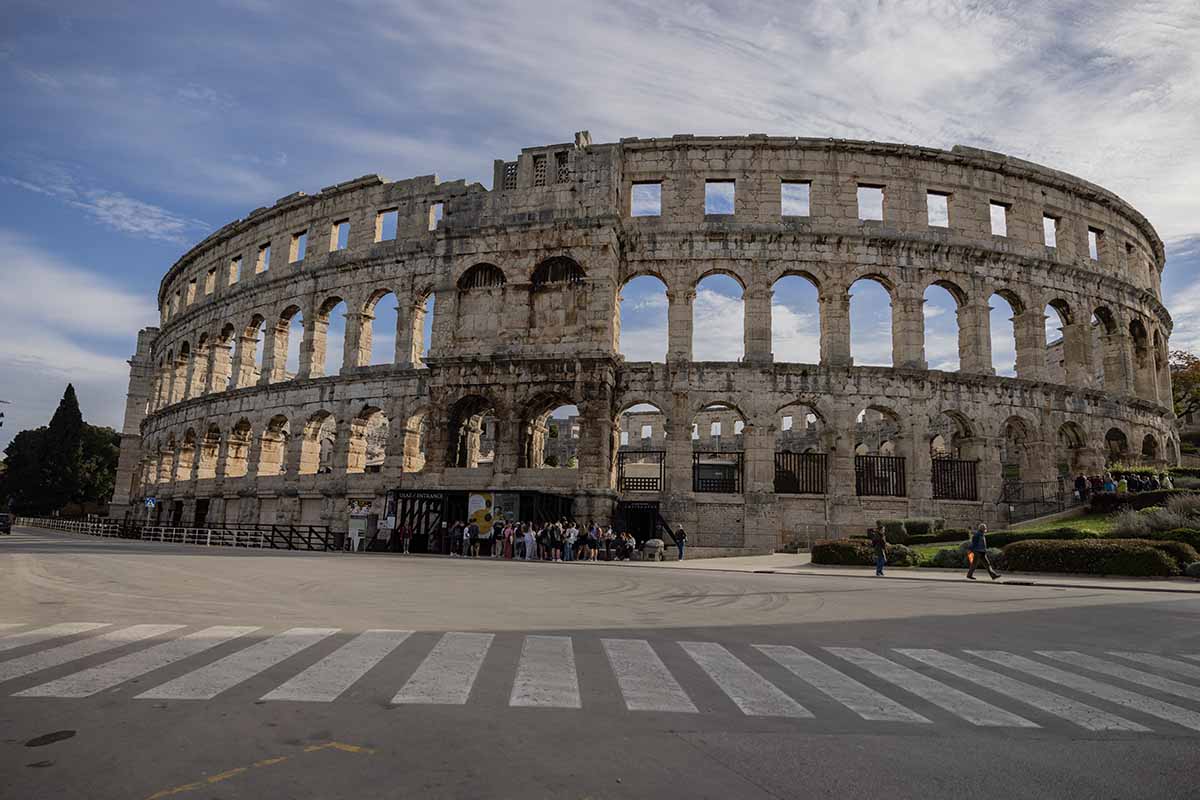
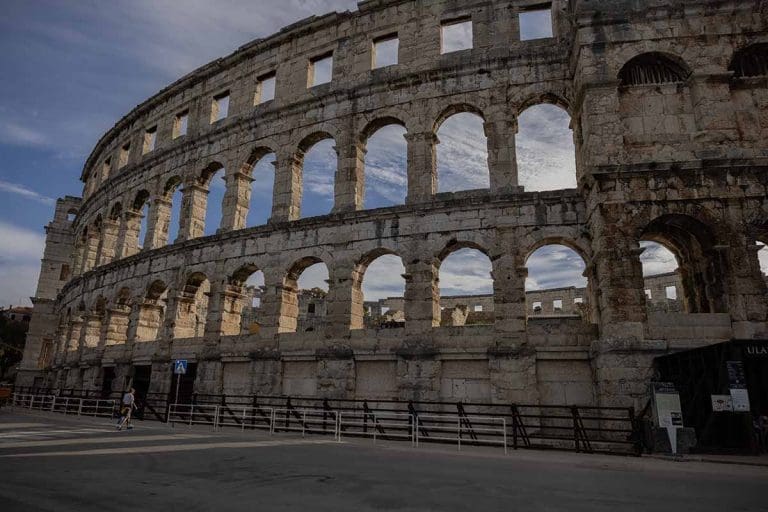
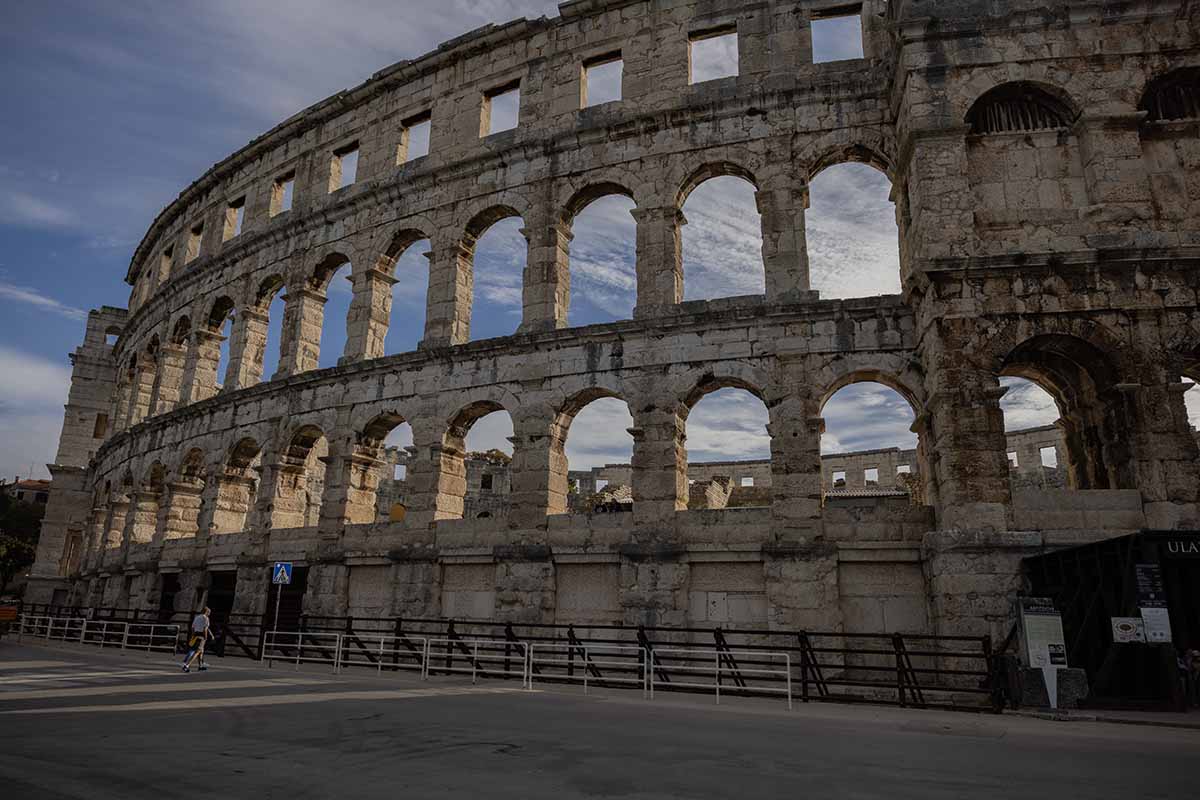
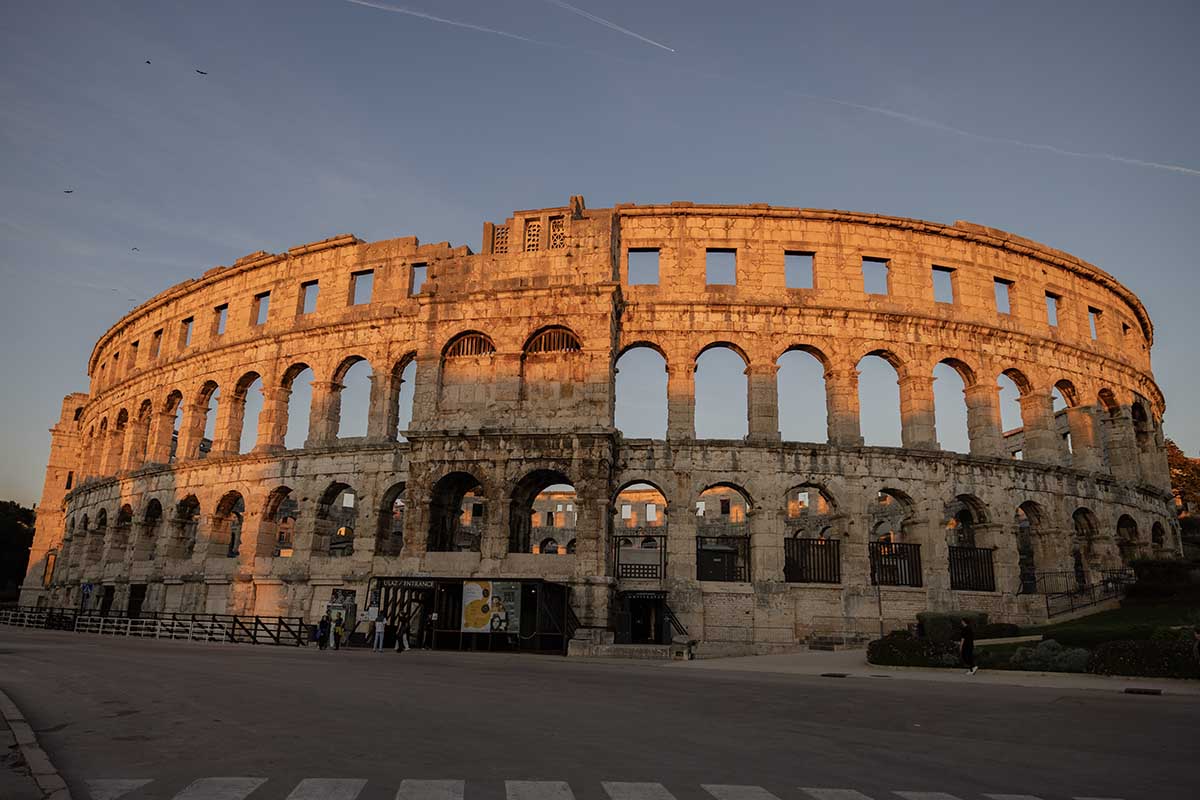
Pula’s Arena is one of the best-preserved Roman amphitheatres in the world, and it’s a sight that makes you stop mid-sentence. Unlike some ancient attractions that are more “interesting than impressive”, this one is both. It’s enormous, beautifully intact, and right in the city. If you have the slightest interest in history, you’ll leave thinking, “OK, this alone made the trip worth it.”
A quieter side of Croatia
Croatia has become a wildly popular tourist attraction (even before Game of Thrones). If your worry is that the country is too busy, particularly in high season, Pula can feel like a breath of fresh Adriatic air. The place still gets busy in peak summer, but you’re not fighting the cruise-ship crush like at some of the region’s hotspots. You’ll find plenty of visitors, sure, but it’s more spread out, so it’s rarely suffocating.
Food and wine that surprises people
Istria is famous for ingredients like truffles, wild asparagus, olive oil, seafood, and excellent local wines (Malvazija for whites is a standout). Even if your perception of Croatia is “seafood and grilled meat”, Pula in Croatia might end up being one of the tastiest stops of your entire trip.
The best things to do in Pula in Croatia
Explore Pula Arena (and time your visit right)
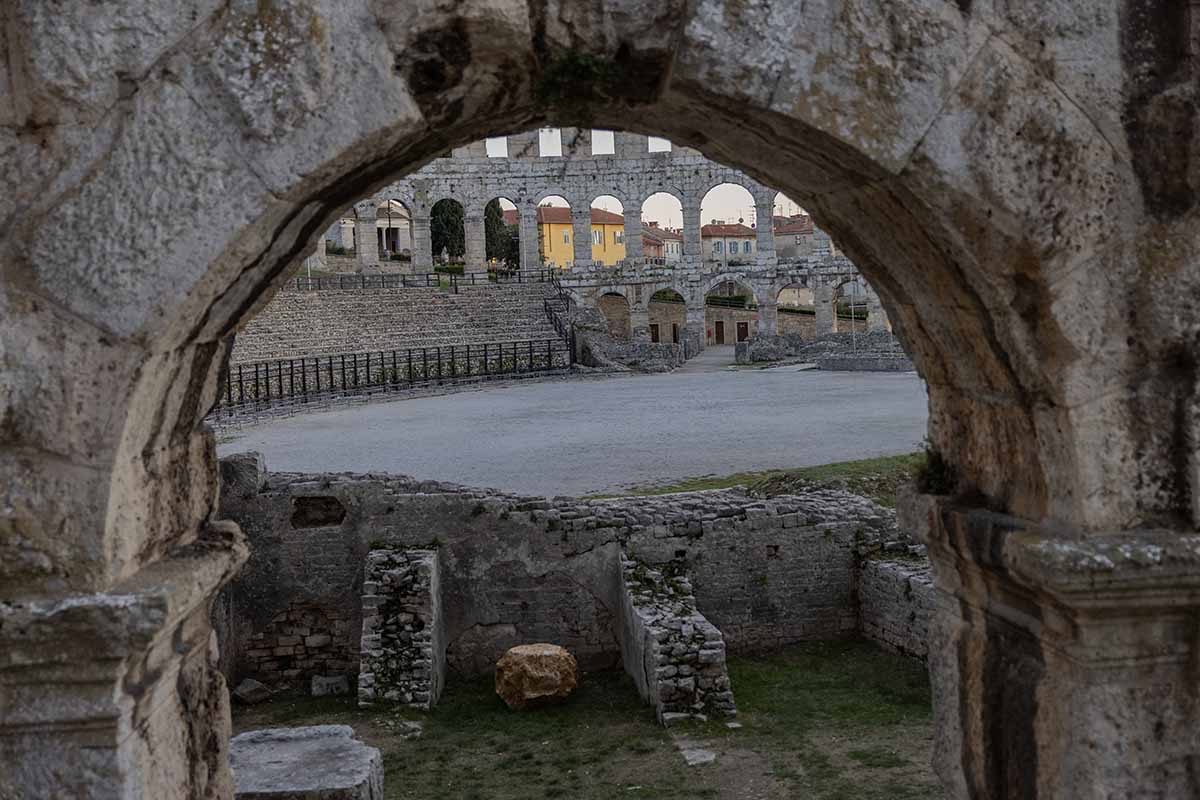
Start early or go late afternoon to dodge the heat and the biggest crowds. Make sure to check the arena’s schedule. The regular evening concerts and performances can be unforgettable, with the ancient stone glowing under stage lights.
Top tip: Walk around the outside first. The views and photo angles are better before you go in, and you’ll appreciate the scale more.
Wander the old town: Roman remains everywhere
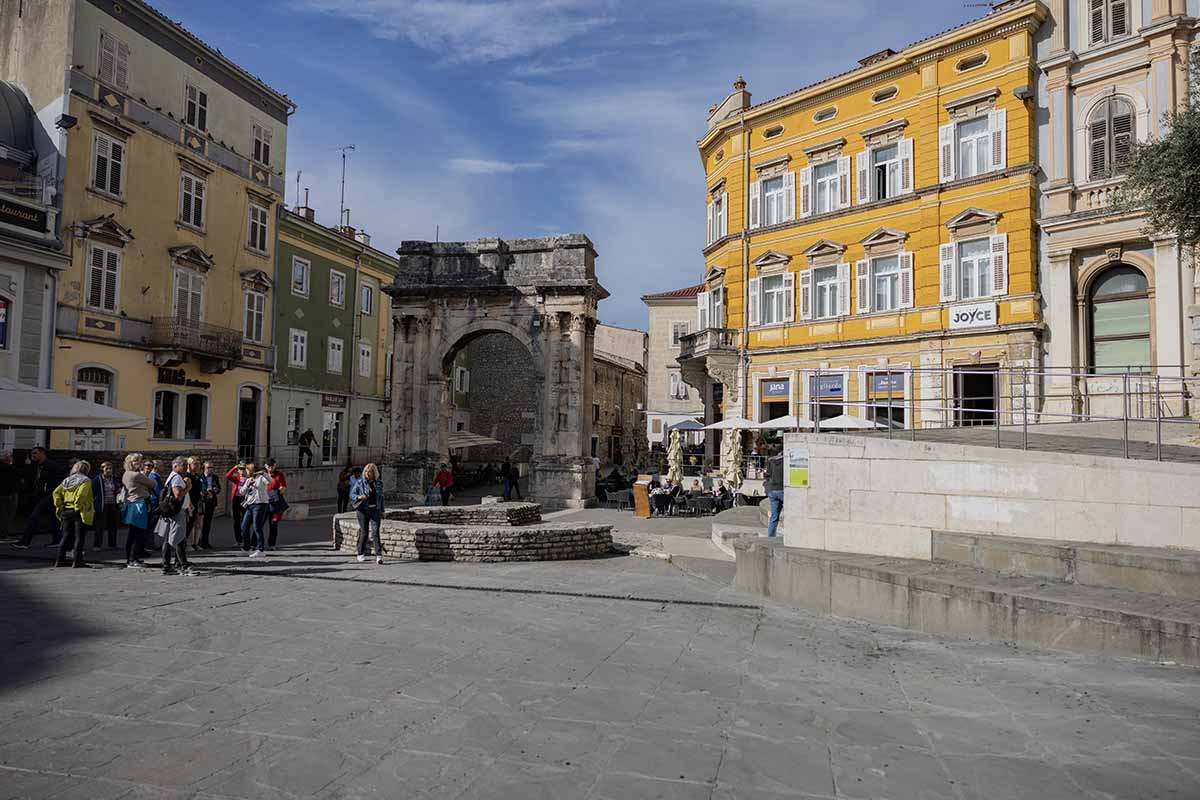
Pula isn’t just the amphitheatre, Roman history crops up everywhere you walk:
- Arch of the Sergii – a grand Roman triumphal arch that now frames a lively pedestrian area.
- Temple of Augustus – elegant and photogenic, set on a pretty square.
- Forum – a central meeting point with cafes and a relaxed buzz.
Even if you’re not a museum person, Pula’s ancient sites are easy because they’re woven into the city rather than tucked away behind ticket barriers.
Visit the Pula Market (and eat like a local)
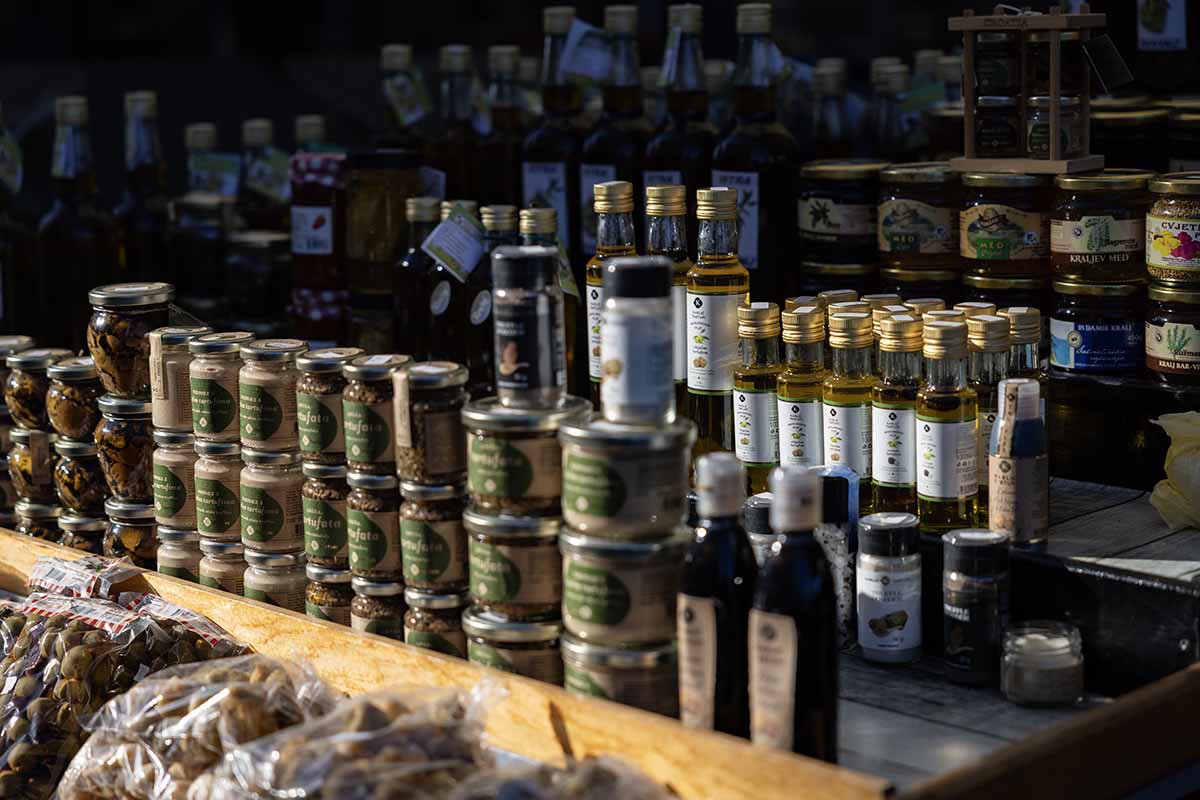
Markets are often the quickest way to understand a place. Pula’s is a proper working market with fresh produce, olive oil, cheese, fish, and seasonal fruit. Pick up picnic bits for the beach, tomatoes, bread, local cheese, peaches, and you’ll have one of those simple holiday meals that somehow tastes far better than it should.
Take a coastal walk at Lungomare
For a low-effort, high-reward activity, stroll the Lungomare (about a 45-minute walk from the Arena). You’ll find pine trees, sea views, rocky swimming platforms and people doing the evening paseo. The walk is perfect at sunset when the temperature drops and the city exhales.
Do a boat trip on the Adriatic
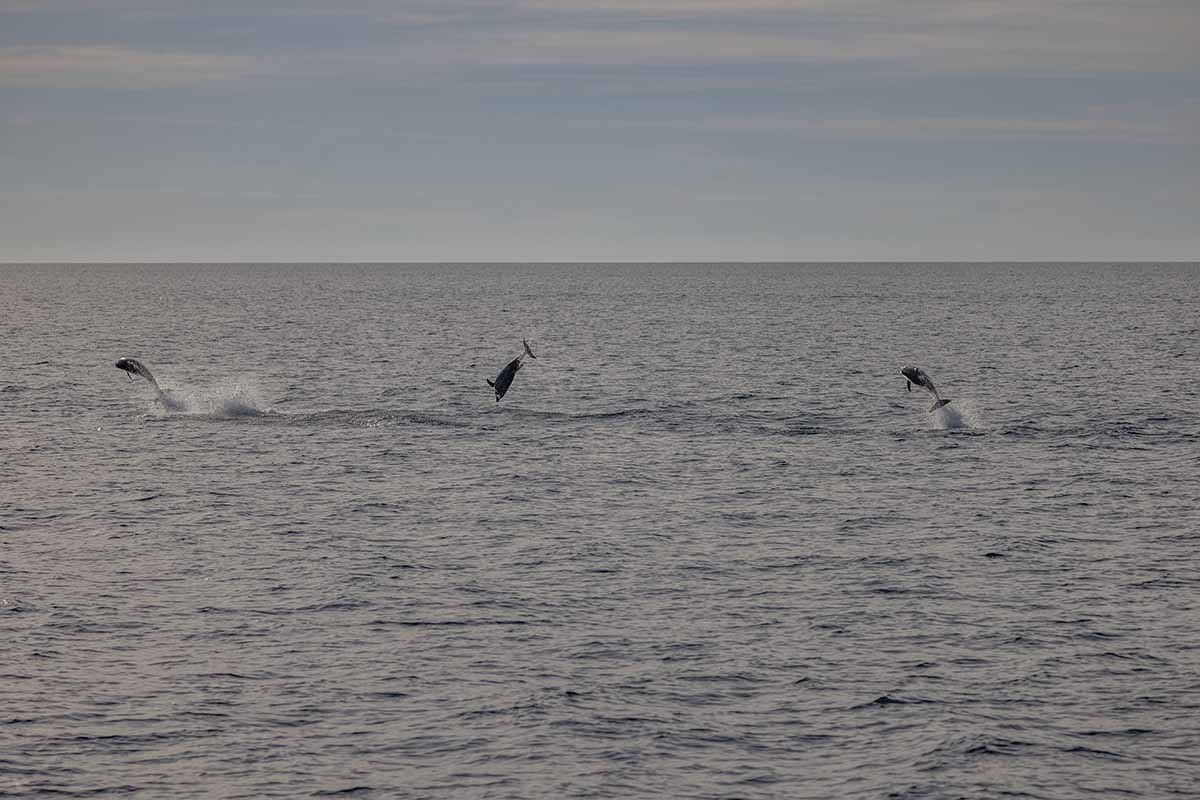
Boat trips from Pula can range from chilled coastal cruises to island-hopping and dolphin-spotting outings. Sunset cruises are extremely popular and, coupled with dolphin spotting and dinner with drinks, are a memorable option.
Discover Pula’s post-Roman History
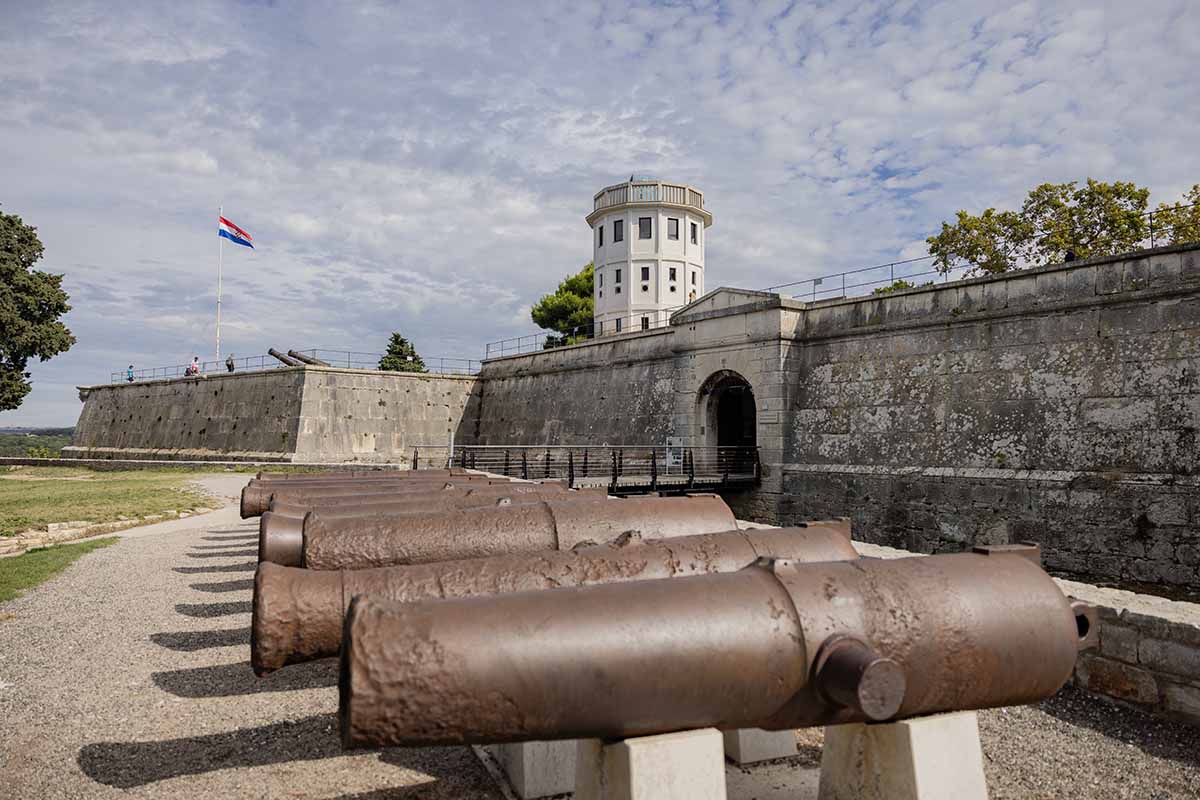
As a strategic port, Pula has attracted the attention of every empire under the sun. From the Byzantines to the Franks, the Venetians to the Austro-Hungarians, they’ve all left their marks on Pula.
Explore the World War One tunnels and take the lift up to the hilltop fortress built when Pula became an Austrian naval power in the late 19th century.
For extra marks, look for the statue of legendary Irish writer James Joyce who spent time at the Naval base in Pula.
Day trip to Rovinj: storybook Istria
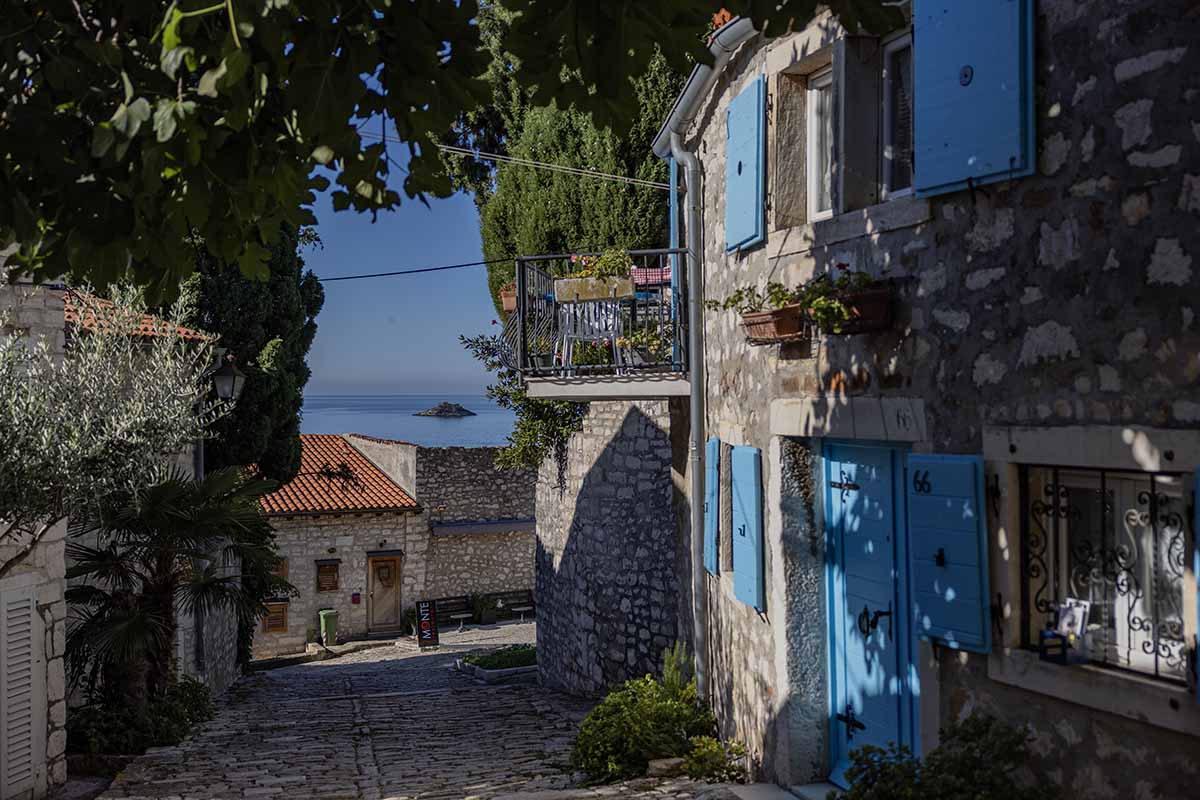
If you’ve seen photos of pastel buildings rising from the sea, chances are you were looking at Rovinj. One of the prettiest towns in Croatia, Rovinj has a Venetian vibe and is an easy day trip from Pula. Go early, wander the old town, have lunch by the harbour, and stay into the evening if you can, the atmosphere after the day-trippers leave is gorgeous.
Day trip to Brijuni National Park
The Brijuni Islands are a short hop away but worlds apart: quiet, green, and ideal for a slower-paced day. This is a great option if you’ve had a couple of sightseeing-heavy days and want something more nature-focused.
Explore Istria’s hill towns (Motovun, Grožnjan and beyond)
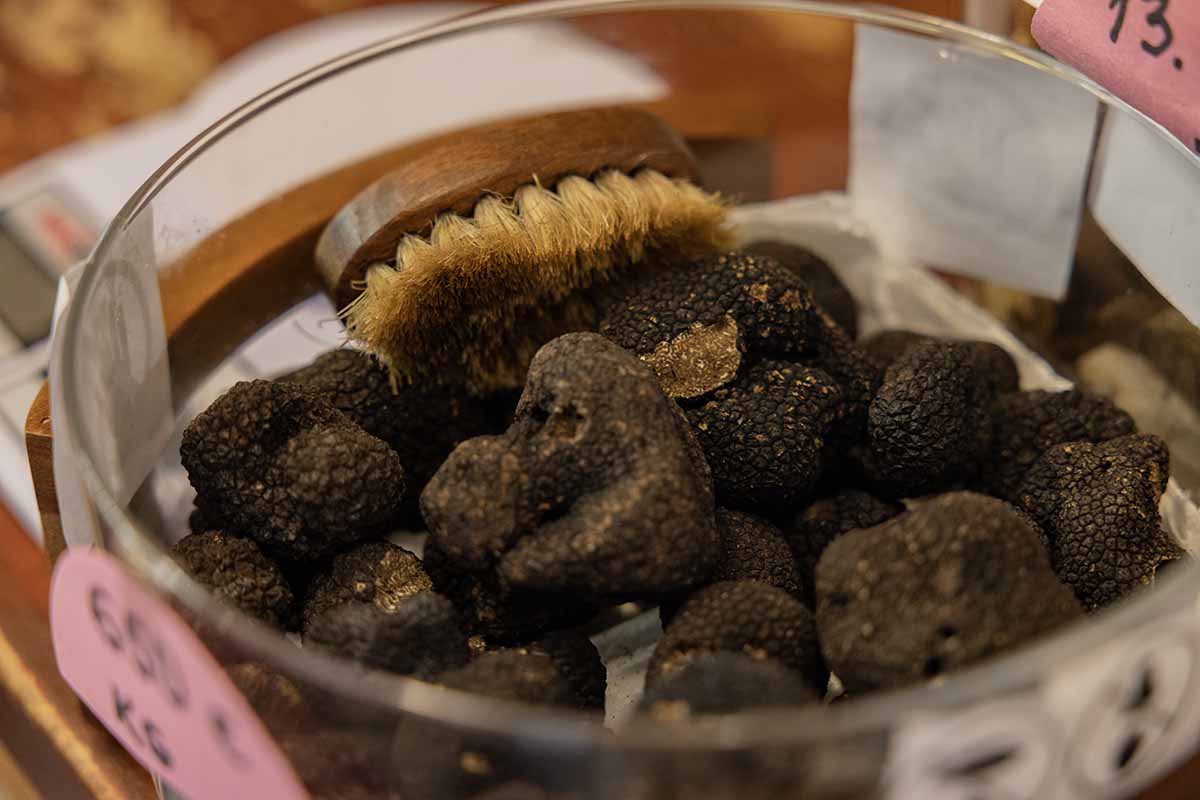
One of the best arguments for choosing Pula in Croatia is its proximity to Istria’s inland gems, medieval hill towns, vineyards, olive groves, and scenic drives. Motovun is world-renowned for truffles and views that look like a film set.
I did the tour below and thoroughly recommend it.
Is Pula in Croatia worth visiting for different types of travellers?
For history lovers
Absolutely! The amphitheatre alone is a knockout, and the Roman footprint across the city gives you that satisfying sense of walking through layers of time. If you enjoy ancient sites but don’t want an itinerary that’s all museums and ruins, Pula is an ideal balance.
For beach and sea lovers
Yes, if you like rocky coves, clear water, and swimming platforms. The sea here is the kind that makes you want to dive straight in. Snorkelling is often excellent close to shore.
For foodies
Very much so. Istria is one of Croatia’s strongest food regions. If you want to have a holiday with meals, you will talk about months later, Pula won’t disappoint.
For families
Pula can work well for families: beaches with facilities, easy day trips, and plenty of casual dining. Choose your base with care, being near Verudela or a good swimming spot can make everything simpler.
For couples
Pula is more “easy-going coastal city” than “ultra-romantic honeymoon village”, but couples who like evenings on terraces, sunset walks and day trips to Rovinj or hill towns will find plenty to love.
For solo travellers
Yes, day tours tend to be run with smaller groups which makes for more interaction between the participants. Restaurants are solo diner friendly, and the bars are good.
For nightlife hunters
If you want clubs and big nights, Pula isn’t the best Croatian destination. It has bars, events and summer energy, but it’s not a party island vibe. Consider Pula more relaxed than raucous.
The honest pros and cons of visiting Pula in Croatia
Pros
- World-class Roman amphitheatre you can visit without a big trek.
- Clear sea and excellent swimming.
- Great base for day trips (Rovinj, Brijuni, hill towns).
- Strong food scene with Istrian specialities.
- Often less crowded than headline Dalmatian destinations.
- Good value compared with Croatia’s most famous hotspots (though prices rise in peak season).
Cons
- Beaches are rocky or pebbly, not sandy.
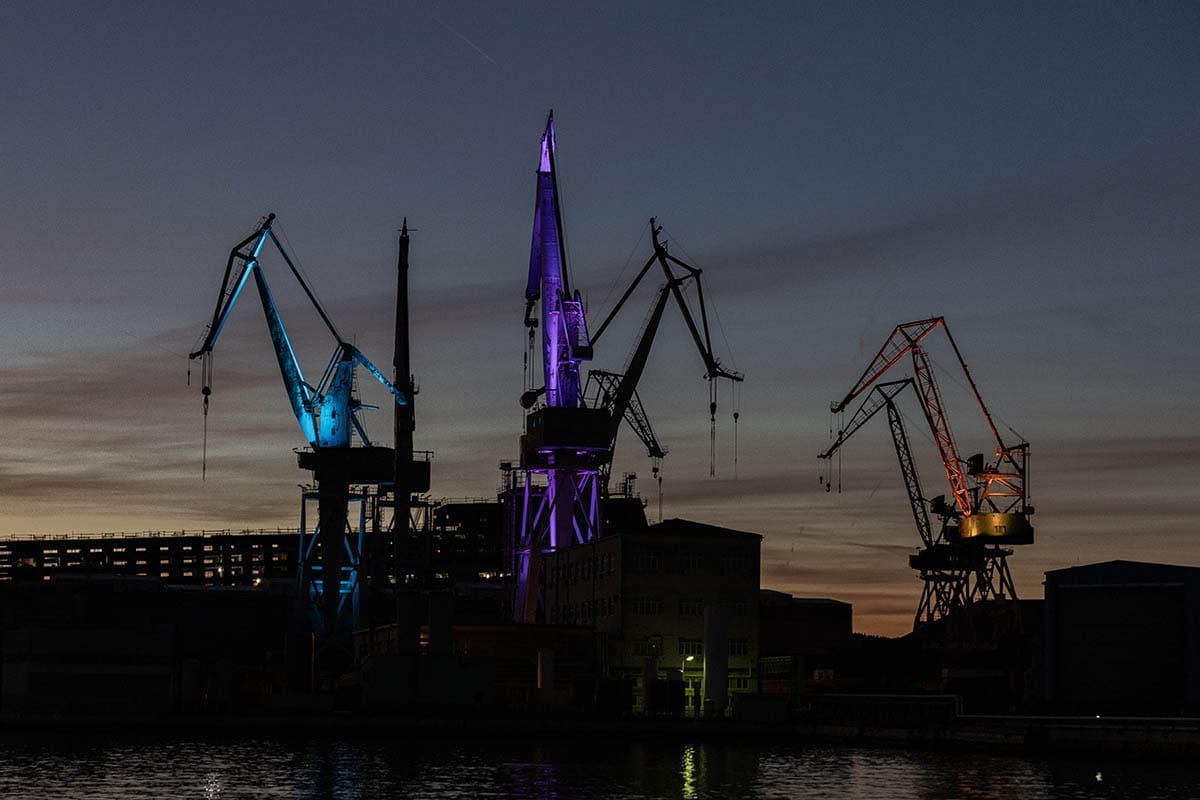
- Some areas are functional (port/working-city elements) rather than “picture-perfect” (check out the floodlit cranes at night)
- In high summer, accommodation can book up and prices climb.
- Without a car, some of the best inland day trips are less convenient (though still doable). Pula is well served by tour companies.
If those “cons” don’t bother you, or sound like trade-offs you can live with, then Pula in Croatia is definitely worth visiting.
How long should you spend in Pula?
A good rule of thumb:
- 2 days: enough to see the Arena, wander the old town, and get a couple of swims in.
- 3–4 days: ideal for adding Rovinj and a boat trip or Brijuni.
- 5–7 days: best if you want a relaxed base with multiple Istria day trips and plenty of beach time.
If you’re doing a broader Croatia itinerary, 3 days in Pula is a sweet spot. This gives you time to enjoy the area rather than just tick off the amphitheatre and rush on.
The best time to visit Pula in Croatia
Pula is a classic Mediterranean destination where timing shapes your experience.
- Late spring (May–June): warm days, fewer crowds, sea becoming swimmable.
- Peak summer (July–August): hottest weather, busiest period, most events, highest prices.
- Early autumn (September): often the best balance with warm seas, softer light and fewer people.
- October onwards: quieter, cooler, and more “local”, great for food and city breaks, less for beach-heavy plans.
If you can choose, September is hard to beat for Pula in Croatia: you still get summer energy, but the town is more relaxed.
Where to stay in Pula
Where you stay depends on what you want most.
Old Town (centre)
Best for: history, evening atmosphere, restaurants, walking everywhere.
Trade-off: you’ll likely travel to swimming spots rather than step straight into the sea.
Luxury – Boutique Suites Joyce – Prime location overlooking Arch of the Sergii.
Value – Vintage Pula – Excellent apartment right in the heart of Pula’s old town.
Verudela Peninsula
Best for: beach access, families, resort convenience, easy swimming.
Trade-off: you’re a bit removed from the old-town buzz.
Luxury – Grand Hotel Brioni Pula – Superb, with two pools and close to the beach.
Value – Ribarska Koliba Resort – Luxury apartments at a very good price, close to two beaches.
Stoja / nearby coastal areas
Best for: local vibe, quick sea access, coastal walks.
Trade-off: some properties are simpler and you may rely on buses/taxis for evenings in the centre.
Luxury – Hotel Milan – Superb 4* with restaurant and bar, walkable to centre of Pula
Value – Apartments TENA – Good sized apartments with balcony and access to a garden. Excellent value for a 9.2 Booking.com rating.
For many travellers, splitting the difference works well: stay close enough to the centre for evening strolls, but within easy reach of the coast for daily swims.
Getting to Pula and getting around
Getting to Pula
Pula has its own airport with seasonal routes and is also reachable via other regional airports plus transfers. If you’re combining destinations, you can arrive by bus or car from other parts of Istria.
I arrived in Pula via a cross border train from Piran in Slovenia on a train which goes through Ljubljana.
Getting around
- On foot: the old town is walkable.
- Buses: useful for beaches and nearby areas.
- Car hire: best if you want to explore hill towns and the wider peninsula at your own pace.
If you love spontaneous detours to vineyards, viewpoints and tiny villages, a car makes Istria your playground. If you prefer not to drive, you can still enjoy Pula itself and do a couple of structured day trips.
A simple 3-day itinerary for Pula in Croatia
Day 1: Ancient Pula + sunset swim
- Morning: Pula Arena and old town stroll (Forum, Temple, Arch)
- Lunch: something Istrian (truffle pasta or seafood)
- Late afternoon: swim at Verudela or Stoja
- Evening: relaxed dinner and gelato walk
Day 2: Rovinj day trip
- Early start to beat crowds
- Wander the old town, harbour, viewpoints
- Long lunch with a glass of Malvazija
- Back to Pula for dinner in the old town
Day 3: Brijuni or boat trip + market browsing
- Morning: market breakfast/picnic shopping
- Midday: Brijuni National Park or a boat trip
- Afternoon: final swim and sunbathing
- Evening: dinner somewhere with local olive oil and seafood
So… is Pula in Croatia worth visiting?
If you want a Croatian destination that offers remarkable Roman history, crystal-clear swimming, excellent food, and easy day trips, then yes, Pula in Croatia is worth visiting. It’s especially great for travellers who like a holiday that mixes culture and coast without being trapped on a constant tourist conveyor belt.
The only time I’d hesitate recommending it is if you need sandy beaches, or if your ideal trip is all-night partying and a glossy resort vibe. For everyone else, solo travellers, couples, families, history lovers, swimmers, foodies, Pula is one of those places that quietly wins you over.
In short, Pula in Croatia isn’t just worth visiting, it’s a smart choice for seeing a different side of the country, with fewer crowds and plenty of “how is this place not more famous?” moments.
Latest Posts from Croatia
Travel Guides