
Is Bali Worth Visiting? An Honest Look at the Good, the Bad and the Chaotic.
My first visit to Bali was a full 25 years ago. I spent a week there on the way back from Australia, and the island totally enchanted me. This year, I returned at the start of a two-month trip through Indonesia and Malaysia. So, the question is, is Bali worth visiting in 2026, or are its best days as the dream tropical destination over?
This blog post will examine the reality of one of the world’s most dreamt about holiday destinations. A quick trawl through Instagram or travel brochures will show you why. Social media is jam-packed with photos of turquoise seas lapping on pristine white beaches, impossibly beautiful, palm-fringed, sunsets, exotic temples and stunning hotels. Is that the complete story though? This travel guide will look at Bali, warts and all, and answer the question, Is Bali worth visiting?
The Do Not Go Gently Travel Blog uses affiliate links. If you make a purchase after clicking on one of these links, I may receive a small commission payment at no extra cost to you.
I recently spent two months travelling through Indonesia and Malaysia and revisited Bali both at the start and end of the trip. When planning the trip, these are the main resources I used.
Hotels – Booking.com
Tours and Activities – GetYourGuide
Travel Guide – Lonely Planet – Indonesia (Amazon)
The honest answer is yes, probably… But it really depends on the type of traveller you are, and the experience you want from the trip. Bali can be magical, spiritual, relaxing and unforgettable. It can also be exhausting, noisy, and deeply frustrating. Both versions exist at the same time.
If you’re imagining a perfect tropical getaway with empty beaches and quiet roads, that dream will probably fade the second you arrive at Denpasar airport. But, approach Bali with realistic expectations and a willingness to explore, there is still an extraordinary destination waiting for you.
Why Bali Became So Popular

Bali’s popularity is easy to understand. It’s beautiful. Few places combine beaches, volcanoes, temples, waterfalls, surfing, nightlife, luxury villas and rich culture in such a compact area.
The island appeals to almost every type of traveller:
- Backpackers looking for cheap accommodation
- Honeymooners wanting luxury resorts
- Surfers chasing waves
- Digital nomads working from cafés
- Spiritual travellers seeking yoga retreats
- Food lovers hunting for Indonesian cuisine
- Families wanting tropical holidays
Despite the crowds, Bali still offers remarkable variety. One day you can watch sunrise over a volcano, the next you can relax on a beach, and by evening you can be eating seafood by the ocean or watching traditional Balinese dancing.
Even critics of Bali usually admit that the island has a unique atmosphere difficult to find elsewhere.
The Positive Side of Bali

Ok, so let’s look at the reasons Bali is worth visiting.
The Balinese Culture Is Fascinating
One of Bali’s greatest strengths is its culture. Unlike much of Indonesia, which is predominantly Muslim, Bali is largely Hindu. Religion shapes daily life across the island. This is due to a historic invasion of the more northerly islands which drove the Hindu faithful south to Bali.
You’ll constantly see small offerings made from flowers and incense placed outside homes, shops and temples. Ceremonies happen regularly, often with colourful processions through the streets. Even heavily touristed areas still retain elements of Balinese spirituality.
Temples are everywhere, from tiny roadside shrines to major religious complexes. Some of the most famous include:
- Ulun Danu Beratan Temple – The floating temple
- Pura Besakih – Bali’s Mother Temple
- Pura Luhur Uluwatu – clifftop temple with nightly fire dance
- TirPura Taman Saraswati – famous for its beauty
Visiting temples is a must do for any visitor to Bali. Cliffside temples at sunset, jungle shrines hidden in the hills and water temples surrounded by fountains all create a sense of place that feels uniquely Balinese.
The Food Scene Is Excellent
Bali’s food scene is one of the strongest reasons to visit.
Traditional Balinese and Indonesian dishes are flavourful, affordable, and widely available. Check out local warungs, small family-run restaurants for superb, cheap meals, perfect if you’re on a tight budget. As is often the case, if the locals are eating there it’s a good sign. If the menu included ‘western/tourist’ dishes, think twice.
Popular dishes include:
- Nasi goreng – fried rice often served with an egg
- Mie goreng – fried noodles
- Satay – peanut heaven
- Babi guling – suckling pig
- Nasi campur – rice with bits of everything
- Gado-gado – ‘Mix Mix’, a salad of blanched and raw vegetables, eggs and peanut sauce.
Fresh seafood is also widely available, especially around beach areas such as Jimbaran.
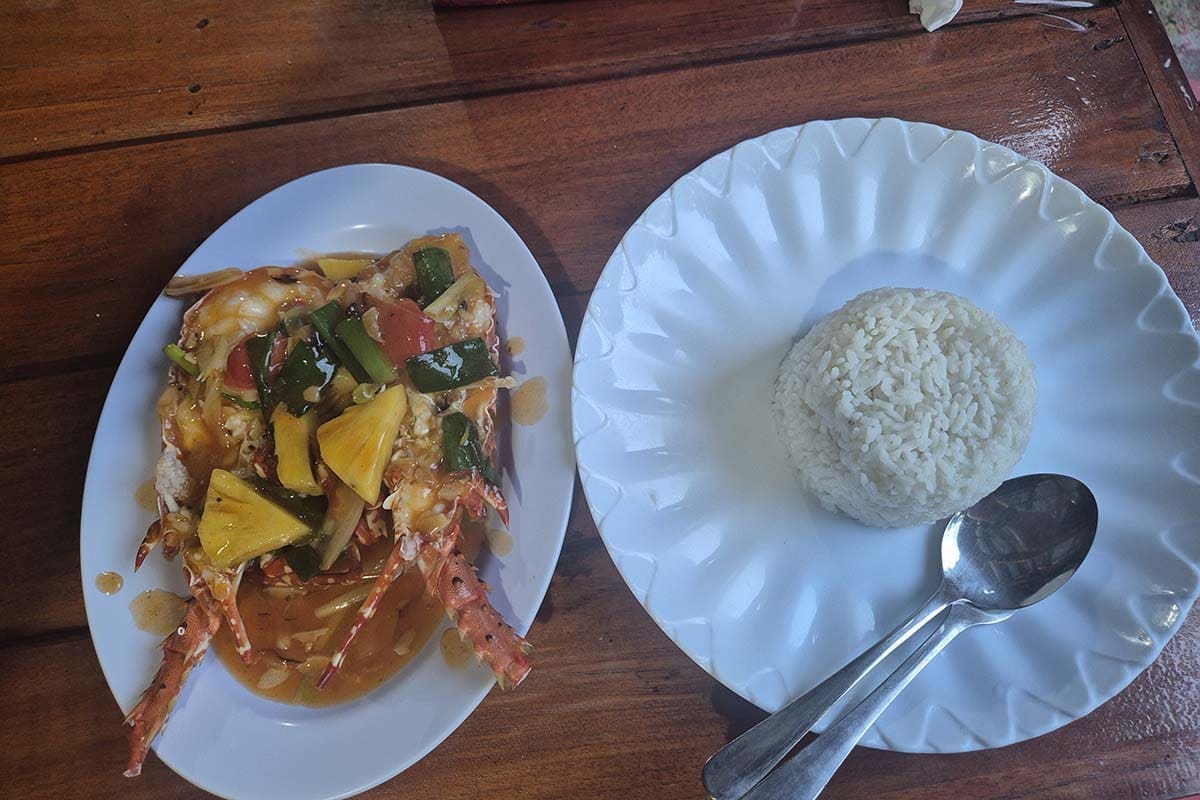
If you’re less adventurous, the influx of tourists to Bali has seen the development of an international food scene on the island. This means you can find pretty much any food style. Some like this, personally I don’t fly to Southeast Asia to eat spaghetti bolognese!
Still, food is rarely a disappointment in Bali.
Beach Clubs and Surf Culture
Bali has developed a beach culture unlike anywhere else in Southeast Asia.
Beach clubs are hugely popular, particularly around Seminyak, Canggu and Uluwatu. Infinity pools, DJs, cocktails, and sunset views dominate the coastline. Some travellers absolutely love the atmosphere. Others find it commercialised and overcrowded.
Surf culture is another major part of Bali’s identity. Beaches like Uluwatu, Padang Padang and Canggu attract surfers from around the world.
If you don’t surf, don’t worry, Bali’s beaches have something for everyone. There is something enjoyable about Bali’s relaxed coastal atmosphere. Sunsets over the Indian Ocean can still feel magical despite the crowds.
Bali’s Nature Is Still Incredible

Despite development, Bali remains naturally beautiful.
The island’s interior offers:
- Rice terraces
- Volcanoes
- Waterfalls
- Jungle scenery
- Lakes
- Rural villages
Areas away from the southern tourist hubs can feel dramatically different from the tourist hubs.
The rice terraces around Ubud remain stunning, even if they are busier than they once were. Sunrise hikes on Mount Batur continue to attract visitors for good reason. Northern and eastern Bali still contain quieter regions with fewer tourists.
Places like Sidemen, Munduk and Amed are often recommended by travellers looking for a calmer experience.
Many people who dislike Canggu or Kuta end up loving quieter parts of the island.
If you want to spot species which are endemic not just to Indonesia but to Bali, try West Bali National Park. The largest NP on the island and home to the ultra-rare Bali Myna, the island’s national bird. West Bali NP is the only place to see this stunning white starling with blue ‘eyeshadow’.
The Negative Side of Bali
And now, the case for the prosecution. I feel a bit of a grinch, but I promised this review of whether Bali is worth visiting would be warts and all.
Overtourism Is Real
Overtourism is probably the single biggest criticism of Bali today.
In places such as Canggu, Seminyak and parts of Ubud, tourism dominates almost everything. Cafés, villas, and influencer hotspots seem endless.
Some visitors feel these areas no longer resemble authentic Balinese towns.
Popular attractions can become absurdly crowded. At certain temples or photo spots, queues may stretch for hours simply for a picture.
This level of tourism has also caused environmental pressure, rising prices, and overdevelopment. Villas have replaced rice fields, roads struggle to cope with traffic, and local communities face increasing challenges from rapid tourism growth.
If you hate crowds, Bali can become frustrating very quickly.
The Traffic Can Be Terrible

Almost everyone agrees on one thing: Bali’s traffic is awful.
Journeys that look short on a map can take forever. Congestion around Canggu, Seminyak, Denpasar and Ubud is particularly notorious.
The roads were simply not designed for the volume of vehicles now using them.
Scooters dominate the roads, often weaving aggressively through traffic. Pavements are inconsistent, nonexistent, or used as random parking spots for the ubiquitous scooter. If, like me, you love to walk around towns, it’s a nightmare. As for crossing roads, traffic lights appear to be optional. Cars may stop for you, but watch for speeding scooters flying by on both sides of them.
For some travellers, the traffic becomes the worst part of the trip.
The other issue with scooters is that they’re cheap, easy to hire and loved by backpackers who haven’t ridden anything with two wheels in years. It’s usually easy to spot the tourists (who are likely to be less skilled). They’ll be in shorts and t-shirts, guaranteed to leave several layers of skin in Bali if/when they come off. The locals are swaddled in fleeces and covered up to protect against the brutal sun.
Bali Is No Longer Cheap Everywhere
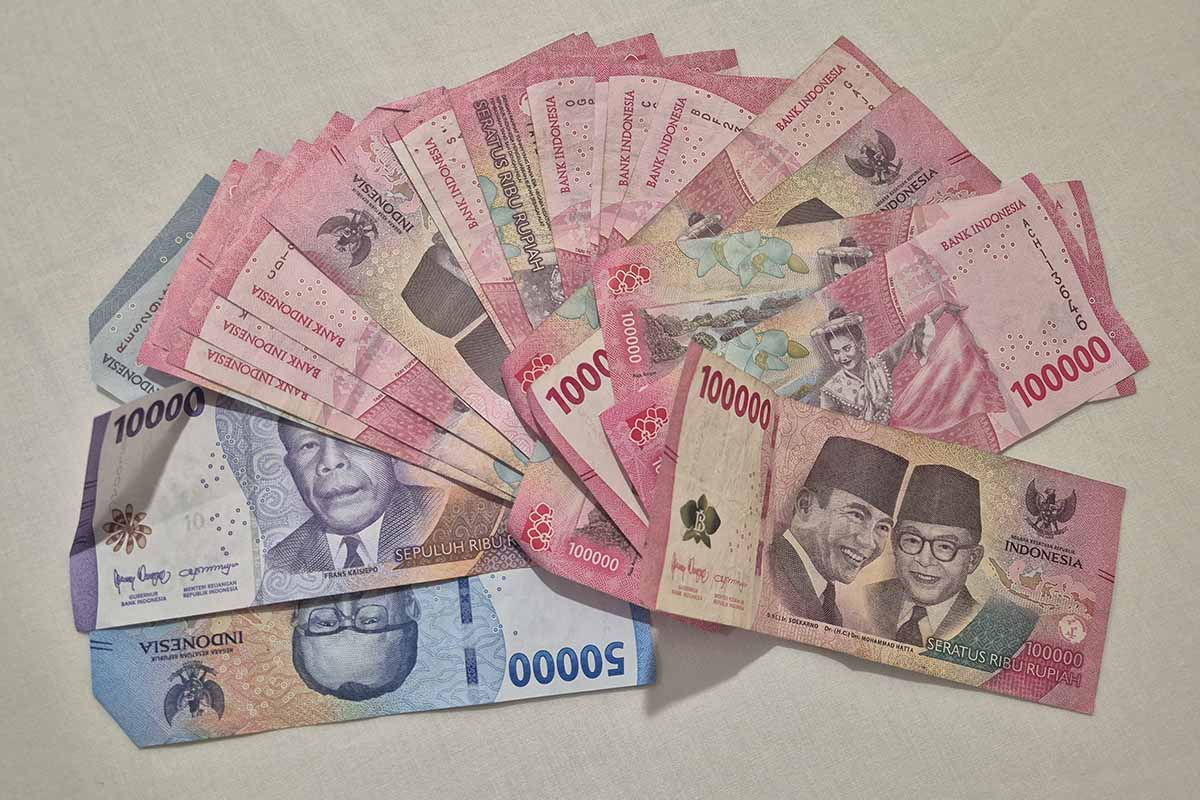
Bali can still be affordable, but the idea of ultra-cheap Bali is fading in major tourist zones.
Luxury tourism and digital nomad culture have driven prices up considerably in places like Canggu and Seminyak. Trendy cafes often charge western-level prices for brunch and coffee.
Budget travellers can still find inexpensive accommodation and food, especially in local areas or quieter towns. I stayed in a homestay in Gilmanuk which cost less than £11 a night, and I ended up drinking coconut raki with the owner and his family. It’s a fact, however, Bali is no longer automatically cheap.
Some Areas Feel Overhyped
OK, I get it. I write a travel blog and I have an IG account,Facebook page and all the rest. So yes, I’m part of the problem. I do, however, try to avoid the IG clichés. Nothing winds me up more than the IG crowd giving heart signs next to the same old sites. The problem is, this popularity drives local behaviour. Parts of Bali feel built around social media rather than genuine travel experiences.
Certain attractions exist almost entirely for photographs:
- Bali swings
- Floating breakfasts
- Giant nests overlooking jungles
- Artificial photo platforms
Many travellers enjoy these experiences, but others find them superficial (yes, I’m looking in the mirror here), and overcrowded.
The other issue is that these artificially beautiful images run through multiple filters give a false impression to less experienced visitors. Tourists come to Bali expecting it to be a pristine paradise. Sorry folks, you’re at least 20 years too late for that.
The Monkeys: Funny Until They Steal Your Glasses

One of Bali’s most famous tourist experiences involves monkeys.
Places such as Sacred Monkey Forest Sanctuary attract huge numbers of visitors wanting close-up encounters with macaques.
At first, the monkeys seem entertaining and photogenic.
Then one steals your sunglasses…
Or your hat…
Or your phone…
Or your water bottle…
Monkey theft in Bali is genuinely common. When I visited Pura Luhur Uluwatu, I saw at least four monkeys running around with glasses.
The macaques are extremely intelligent and highly accustomed to tourists. Some even appear to understand bargaining systems, stealing items and returning them for food.
Travellers regularly report monkeys grabbing valuables directly from hands, bags or heads. Some incidents can become aggressive
The safest approach is simple:
- Do not carry loose items
- Avoid holding food
- Keep sunglasses secure
- Stay calm around monkeys
- Never attempt to touch them
- Don’t make eye contact with them
For many people, monkey encounters become hilarious travel stories. For others, they become stressful experiences that they would rather avoid. An Australian tourist showed me the bite marks where a monkey had taken a chunk out of his shoulder. Rabies shots aren’t pleasant!
The Reality of Bali’s Beaches
Bali’s beaches are not always what people expect.
Many first-time visitors imagine pristine white sand and crystal-clear water everywhere. In reality, Bali’s beaches vary enormously.
Some beaches are genuinely beautiful, particularly around Uluwatu and Nusa Dua. Others can be crowded, polluted or disappointing.
Kuta Beach, once famous among backpackers and surfers, now divides opinion heavily. Some people still enjoy the energy and nightlife, while others see it as noisy and overdeveloped.
Beach pollution is another major issue, especially during the rainy season when rubbish washes ashore. Several recent travel reports describe plastic waste appearing on parts of Bali’s coastline.
This does not mean every beach is dirty all the time, but expectations should be realistic.
Is Bali Still Authentic?

This depends entirely on where you go.
Some areas genuinely feel overtaken by tourism. In parts of Canggu, you can spend an entire day surrounded mostly by foreign tourists, western cafés and boutique gyms.
Yet authentic Bali absolutely still exists.
The island remains deeply spiritual and culturally rich beneath the tourism industry. Smaller villages, local ceremonies and quieter regions still offer meaningful experiences.
Travellers who venture beyond the most famous hotspots often report far more positive impressions of Bali.
Who Will Love Bali?
Bali is still worth visiting if you enjoy:
- Tropical scenery
- Temples and spirituality
- Café culture
- Luxury accommodation
- Scooter adventures
- Social travel scenes
- Mixed travel experiences in one destination
Bali also works well for travellers wanting variety without constant flights or long-distance transport.
Who Might Dislike Bali?
You may struggle with Bali if you:
- Hate traffic
- Want empty beaches
- Dislike crowds
- Prefer untouched destinations
- Expect perfect cleanliness
- Want quiet city environments
- Become frustrated by overtourism
Travellers expecting a remote tropical paradise often leave disappointed, especially if they stay only in the busiest southern regions.
How to Enjoy Bali More
The difference between loving Bali and hating it often comes down to how you travel.
A few simple strategies can dramatically improve the experience:
Stay Outside the Most Crowded Areas
Instead of spending all your time in Canggu or Kuta, consider quieter regions like:
- Sidemen.
- Munduk.
- Amed.
- North Bali.
- Sanur.
These areas often feel calmer and more authentic.
Don’t Overpack your Itinerary
Traffic makes ambitious daily schedules stressful. Trying to visit five attractions in one day often leads to frustration.
Slow travel works better in Bali.
Respect Local Culture
Balinese culture deserves respect. Wear appropriate clothing at temples, behave respectfully during ceremonies and avoid treating the island purely as a party destination.
Avoid the Most Instagram-Famous Spots at Peak Hours.
Many attractions become far more enjoyable early in the morning or later in the afternoon.
Keep Expectations Realistic
Bali is not a perfect paradise. It is a complex island balancing tourism, culture, development, and environmental pressures.
Understanding that beforehand helps enormously.
So, Is Bali Worth Visiting?

Yes, for most travellers, particularly first timers, Bali is still worth visiting.
The island remains culturally fascinating, visually beautiful, and incredibly varied. The temples, food, landscapes, and atmosphere continue to attract millions of visitors for good reason.
However, Bali is also a victim of its own popularity.
Overtourism, traffic, rising prices, and environmental issues are genuine problems. Some parts of the island feel overcrowded and commercialised, particularly around the major tourist centres.
Whether you love Bali or dislike it often depends on where you stay, what you expect, and how you travel.
If you only visit the busiest influencer hotspots, you may wonder what all the fuss is about.
But, if you explore beyond the obvious locations, embrace the culture and accept the island’s imperfections, Bali can still deliver extraordinary travel experiences.
It may no longer be the hidden paradise it once was, but for many people, Bali remains one of the most memorable destinations in the world.
Latest Posts from Indonesia


Best Things to do in… Posts