

Welcome to this Indonesia travel guide. This is your jumping-off point to my blog posts on the Land of a Thousand Islands.
The Do Not Go Gently Travel Blog uses affiliate links. If you make a purchase after clicking on one of these links, I may receive a small commission payment at no extra cost to you.
Hotels – Booking.com
Tours and Activities – Get Your Guide and Viator
Flights – Trip.com
Travel Guide (Amazon) – Lonely Planet Indonesia
Bird Field Guide (Amazon) – Birds of Bali, Sumatra and Java
Latest Posts from Indonesia


Indonesia Travel Guide – All you need to know about Indonesia
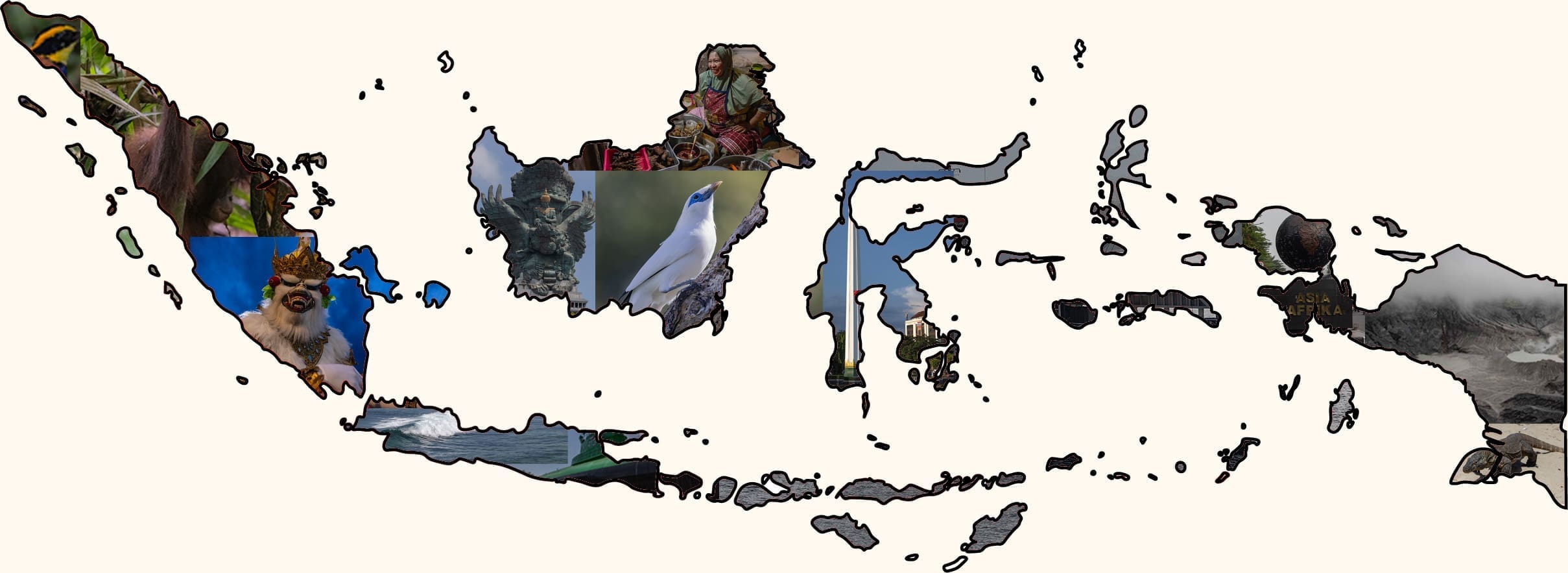
Indonesia Travel Guide: Everything You Need to Know Before You Go

Indonesia is one of the most fascinating and diverse countries on Earth. Spread across more than 17,000 islands, it is the world’s largest island nation. This vast archipelago offers smoking volcanoes, ancient temples, world-class diving, jungle wildlife, modern cities, remote tribal cultures and some of the best food in Asia. Whether you are seeking beaches in Bali, orangutans in Borneo, dragons in Komodo or culture in Java, Indonesia delivers experiences unlike anywhere else.
This comprehensive Indonesia travel guide will tell you everything you need to know before visiting the Land of a Thousand Islands
Why Visit Indonesia?
Indonesia is the fourth most populous country in the world and one of the most culturally diverse. The country stretches across the equator between the Indian and Pacific Oceans, creating extraordinary biodiversity and dramatic landscapes.
The sheer scale of Indonesia means no two regions feel the same. Bali differs enormously from Sumatra, Papua feels worlds apart from Jakarta, and Java offers a completely different atmosphere from Lombok or Sulawesi.
Whichever part of the country you choose to visit, you’ll find a beautiful friendly people happy that you’ve chosen to visit their land. Outside of tourist hotspots like Bali, expect the locals to engage and even ask for photos with you.
The landscape is extraordinary, with volcanoes, tiered rice paddies, and seemingly impenetrable jungles.
A Brief History of Indonesia
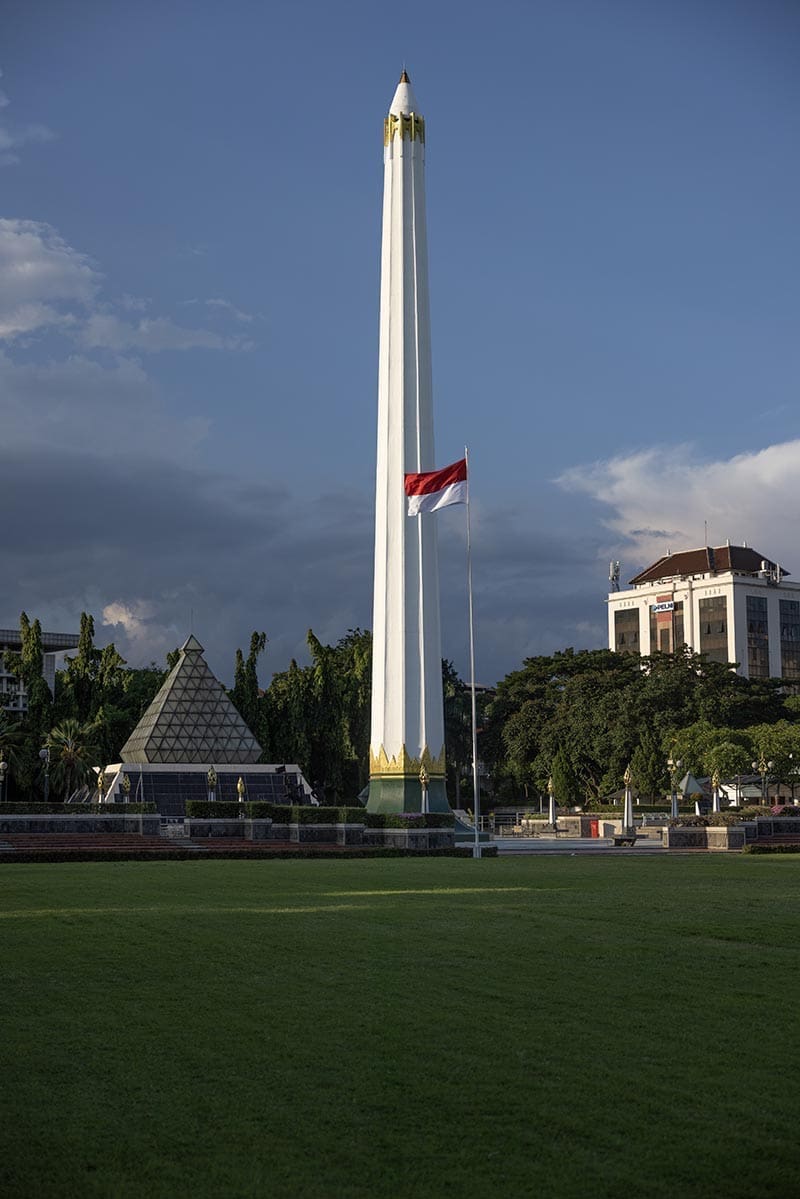
Indonesia’s history is long, complex, and shaped by trade, religion, and colonialism.
Early Kingdoms and Trade
For centuries, Indonesia sat at the centre of major maritime trade routes connecting China, India, the Middle East and Europe. Indian influence brought Hinduism and Buddhism to the islands, leading to powerful kingdoms such as Srivijaya and Majapahit.
The Majapahit Empire, centred in Java during the 13th and 14th centuries, is often considered one of the greatest pre-modern Indonesian states. Its influence spread across much of Southeast Asia.
The Arrival of Islam
From around the 13th century onwards, Muslim traders introduced Islam to Indonesia. Over time, Islam spread across much of the archipelago, particularly Java and Sumatra. Today, Indonesia is the world’s largest Muslim-majority country.
However, traces of earlier Hindu and Buddhist cultures remain strong, especially in Bali and Java.
European Colonisation
The Portuguese arrived first in the 16th century, followed by the Dutch. Eventually, the Dutch East India Company established control over large parts of the archipelago, later forming the Dutch East Indies colony.
Colonial rule lasted for centuries and profoundly shaped Indonesia’s economy, infrastructure, and politics.
Independence
During the Second World War, Japan occupied Indonesia. After the war ended, nationalist leader Sukarno declared Indonesian independence in 1945.
The Dutch attempted to regain control, but after years of conflict and international pressure, Indonesia became fully independent in 1949.
During the Second World War, Japan occupied Indonesia. After the war ended, nationalist leader Sukarno declared Indonesian independence in 1945.
The Dutch attempted to regain control, but after years of conflict and international pressure, Indonesia became fully independent in 1949.
Modern Indonesia
Indonesia experienced decades of political upheaval, including authoritarian rule under Suharto from 1967 to 1998. Since then, the country has become one of Southeast Asia’s largest democracies.
Today, Indonesia is a rapidly developing nation balancing modernisation with tradition.
Indonesian Culture
Indonesia’s culture is incredibly diverse. With thousands of islands and hundreds of ethnic groups, there is no single Indonesian identity.
Traditional Culture
Many Indonesians maintain strong connections to traditional customs known locally as “adat”. These traditions influence ceremonies, marriage, architecture, music, and community life.
Traditional arts remain highly important, including:
- Batik textile making
- Wood carving
- Shadow puppet theatre
- Gamelan music
- Traditional dance
Family and Community
Family plays a central role in Indonesian life. Respect for elders and community harmony hold great importance in Indonesian culture. Visitors often find Indonesians warm, welcoming, and eager to help travellers.
Language
The official language is Bahasa Indonesia, which unifies the country despite enormous ethnic diversity. People widely speak English in tourist areas, but they speak it less in rural regions.
Learning a few Indonesian phrases goes a long way.
Useful phrases include:
- Terima kasih — Thank you
- Selamat pagi — Good morning
- Apa kabar? — How are you?
- Tolong — Please/help
Religion in Indonesia

Religion plays a major role in Indonesian society.
Islam
Approximately 87% of Indonesians are Muslim. Most practice Sunni Islam, although local traditions often blend with religious practices.
You will find mosques everywhere, and travellers will frequently hear the call to prayer throughout the day.
Hinduism
Bali is predominantly Hindu and culturally distinct from much of Indonesia. Balinese Hinduism combines Hindu beliefs with indigenous traditions and ancestor worship.
Temple ceremonies, offerings, and festivals form part of daily life in Bali.
Christianity, Buddhism and Other Faiths
Christian communities are common in parts of eastern Indonesia, including Sulawesi, Flores, and Papua. Buddhism and Confucianism are also officially recognised.
Indonesia’s national philosophy, Pancasila, promotes religious coexistence and unity.
Travellers should always dress respectfully around religious sites and ceremonies.
Indonesia’s Political System
Indonesia is a democratic republic with a presidential system.
The president serves as both head of state and head of government. Elections are held regularly, and Indonesia has one of the world’s largest democratic electorates.
The country is divided into provinces with varying levels of autonomy. Some regions maintain strong local identities and laws.
Despite political challenges including corruption and regional inequality, Indonesia has become increasingly stable and economically influential in Southeast Asia.
Jakarta remains the capital, although the government is developing a planned new capital city called Nusantara in Borneo.
Ethnic Makeup of Indonesia
Indonesia is one of the world’s most ethnically diverse nations.
Major Ethnic Groups
There are more than 1,300 ethnic groups across the archipelago. Major groups include:
- Javanese
- Sundanese
- Madurese
- Batak
- Minangbaku
- Balinese
- Bugis
- Dayak
- Papuan Peoples
Each group has distinct languages, cuisines, traditions and architecture.
Diversity Across the Islands
Java is densely populated and politically dominant, while Papua remains remote and culturally unique. Sumatra has strong Islamic traditions, while Bali is Hindu. Sulawesi contains highly distinctive indigenous cultures such as the Toraja people.
This diversity is one of Indonesia’s greatest attractions for travellers.
Nature and Wildlife in Indonesia
Indonesia is one of the most biodiverse countries on the planet.
Volcanoes
Indonesia sits on the Pacific Ring of Fire and has more than 100 active volcanoes.
Popular volcanoes with tourists include:
- Mount Bromo
- Mount Rinjani
- Mount Ijen
Sunrise hikes are among the country’s greatest experiences.
Rainforests and Wildlife

Indonesia’s rainforests contain extraordinary wildlife, including:
- Orangutans
- Komodo dragons
- Proboscis monkeys
- Hornbills
- Tarsiers
- Sea turtles
The critically endangered orangutans of Sumatra and Borneo are major highlights.
Marine Life
Indonesia lies within the Coral Triangle, home to some of the richest marine biodiversity on Earth.
Top diving destinations include:
- Raja Ampat
- Komodo National Park
- Bunaken National Park
Divers can encounter manta rays, sharks, turtles and vast coral reefs.
Indonesian Food

Indonesian cuisine is one of Asia’s most underrated culinary traditions.
Signature Dishes
Nasi Goreng – Indonesia’s famous fried rice dish, often served with egg, chicken or seafood.
Rendang – A rich slow-cooked beef curry originating from West Sumatra.
Satay – Grilled skewers served with peanut sauce.
Gado-Gado – Vegetables, tofu and eggs covered in peanut sauce.
Regional Differences
Food varies hugely between regions:
- Padang cuisine is spicy and rich
- Balinese food uses aromatic herbs
- Javanese cuisine is sweeter
- Seafood dominates coastal regions
Street food is excellent and affordable, though travellers should use caution with hygiene.
Best Time to Visit Indonesia
Indonesia has a tropical climate with wet and dry seasons.
Dry Season (May to September)
This is generally the best time to visit most of Indonesia.
Advantages:
- Sunny weather
- Better diving conditions
- Easier trecking
- Lower humidity
This is also peak tourist season in Bali, so crowds and prices will be at their highest.
Wet Season (October to April)
Rainfall varies by region, but heavy tropical showers are common.
Advantages:
- Greener landscapes
- Fewer tourists
- Lower prices
Disadvantages:
- Potential for flooding
- Rougher seas
- Difficult trecking conditions
- Unpredictable weather
Best Things to Do in Indonesia
Indonesia offers almost endless experiences.
Visit Bali
Although its heyday as a cheap tourist paradise is probably behind it, Bali remains Indonesia’s most famous destination for good reason.
Highlights include:
- Rice terraces
- Hindu temples
- Great surfing
- Spectacular waterfalls
- Nightlife
Popular areas include Ubud, Canggu, Seminyak and Uluwatu.
Explore Borobudur
Borobudur is the world’s largest Buddhist temple and one of Southeast Asia’s greatest monuments.
Sunrise visits are especially memorable.
Trek Volcanoes
Volcano trekking is one of Indonesia’s signature adventures.
Popular options include:
- Mount Bromo
- Mount Ijen
- Mount Rinjani
- Mount Batur
See Komodo Dragons
Komodo dragon can only be found in Indonesia.
Tours from Labuan Bajo visit Komodo and Rinca islands.
Dive Raja Ampat
Raja Ampat is considered one of the best diving destinations in the world. The marine biodiversity is astonishing.
Visit Yogyakarta
Yogyakarta is Java’s cultural heart.
Highlights include:
- Batik workshops
- Traditional arts
- Street food
- Ancient temples
- Sultan’s palace
See Orangutans in Borneo
Jungle expeditions in Kalimantan allow visitors to observe orangutans in the wild.
River cruises through rainforest habitats are unforgettable.
Tips for Travellers
Visa Requirements
Many nationalities can enter Indonesia visa-free or get a 30-day visa on arrival. Always check current regulations before travelling. If a longer, 60-day visa is required, apply in plenty of time. Indonesia will automatically reject your application if it is not granted before your arrival.
You will also need to complete an arrivals card. This has to be done within the three day period before you arrive. The official Indonesian Visa application site is linked here.
Transport
Indonesia is vast, so domestic flights are often essential, but Java has a strong, modern and (by western standards) cheap train network. The Whoosh high-speed train runs between Jakarta and Bandung. You can find trains with special panoramic carriages on the Jogjakarta-Bandung route; they have large windows and rotating seats.
Other options include:
- Budget airlines (AirAsia has a comprehensive schedule)
- Ferries
- Private drivers
- Ride-hailing apps (Grab is a very reliable option)
Scooter hire is popular in places like Bali, but traffic is chaotic, so inexperienced riders should think twice. Traffic can be extremely heavy in cities and on Bali.
Health and Safety
Important considerations include:
- Drink bottled or filtered water
- Malaria is considered a low risk, but use mosquito repellent
- Be cautious with street food hygiene
- Have travel insurance
- Respect local customs
Indonesia is generally safe for tourists, though petty theft can occur in busy areas.
Money
The currency is the Indonesian Rupiah.
Cash is still important in rural areas, but hotels, shops and restaurants widely accept cards in tourist spots.
Dress Respectfully
While beachwear is acceptable in resort areas, modest clothing is appreciated elsewhere, especially around mosques and temples.
Internet and Connectivity
Internet access is generally good in cities and tourist centres, though remote islands may have weaker connections.
Final Thoughts on This Indonesia Travel Guide
Indonesia is not simply one destination but thousands of worlds combined into a single country. From volcanoes and temples to coral reefs and rainforests, it offers an astonishing range of experiences.
Some travellers come for Bali and leave dreaming of Raja Ampat. Others arrive for surfing and stay for the culture and food. Indonesia rewards curiosity, patience, and adventure.
It can be chaotic, challenging, and sometimes overwhelming, but that is also part of its appeal. Few countries offer such diversity, warmth, and natural beauty on such a grand scale.
Whether you are planning a luxury island escape, a backpacking journey across Java or a wildlife expedition in Borneo, Indonesia is a destination that leaves a lasting impression.
I hope this Indonesia Travel Guide will help you plan the perfect trip in this wonderful country