Best Wildlife Experiences in Japan: A Nature Lover’s Guide
The image Japan conjures is one of hi-tech cities lit with neon, of sleek bullet trains speeding past Mount Fuji and kimono clad geishas in front of ancient temples. Japan is all that and much more. One thing people rarely think of when considering Japan is that it’s a wonderful wildlife destination. Read on to discover the best wildlife experiences in Japan.
Whether you’re a keen photographer, a casual nature lover, or simply curious about Japan’s wilder side, this guide will take you through the most unforgettable places to see animals in their natural habitats.
This is the latest in my ‘Nature and Wildlife‘ posts
The Do Not Go Gently Travel Blog uses affiliate links. If you make a purchase after clicking on one of these links, I may receive a small commission payment at no extra cost to you.
I have lived in the southeast of England for over 3 decades and during that time I’ve explored the county of Kent thoroughly. When planning trips, here are the resources I use.
Hotels – Booking.com
Tours and Activities – GetYourGuide
Travel Guide – DK Japan (Amazon)
Bird Field Guide – Field Guide to the Birds of Japan (Helm Field Guides) (Amazon)
Why Japan Is a Wildlife Lover’s Dream
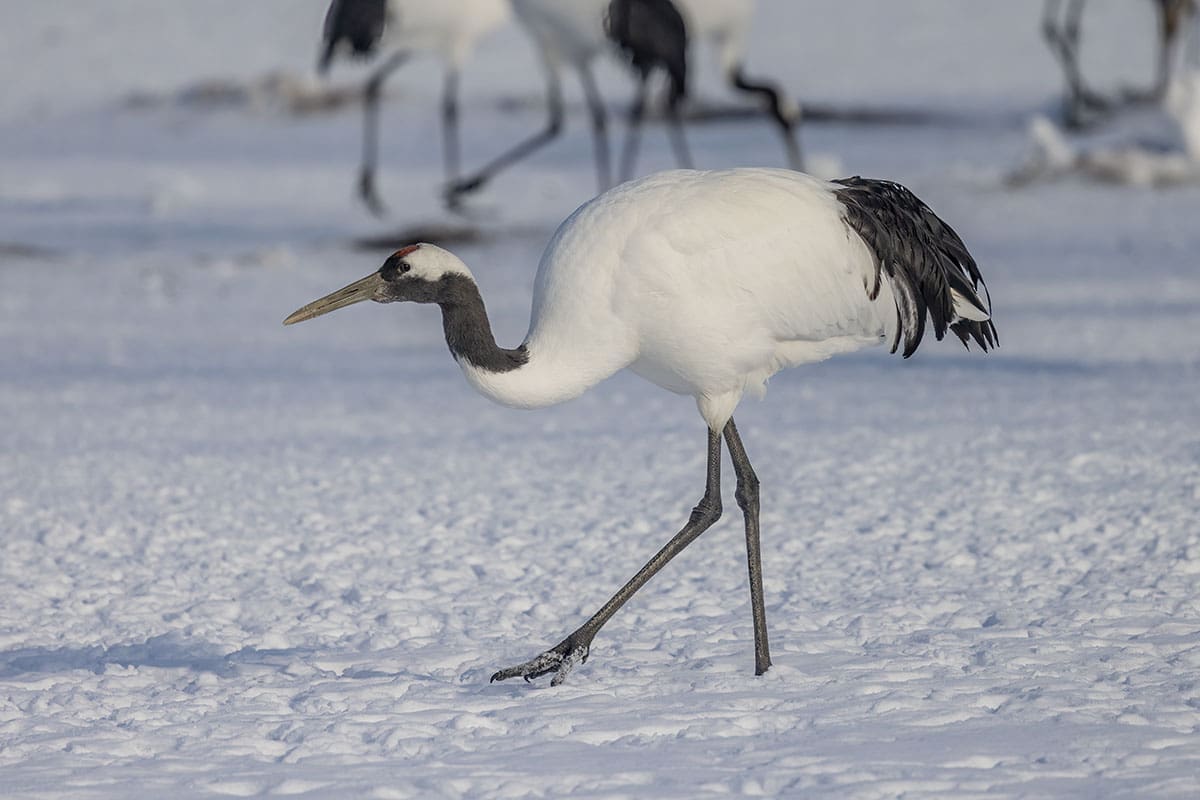
Japan is an extremely long country. It’s over 3,000km from Cape Sato on Hokkaido in the north to Hateruma in the south, and that translates into an enormous difference in climate and habitat. This means, as is often the case for island systems, a significant number of endemic species and unusual wildlife.
Despite supporting a large population, Tokyo is one of the largest cities in the world, vast swathes of Japan are wild. Strict conservation laws, well-run national parks, and a strong cultural respect for nature have allowed many species to flourish in the country.
This, along with Japan’s good infrastructure, offers travellers ethical, regulated, and accessible wildlife adventures.
Read on for a curated list of the best wildlife experiences in Japan.
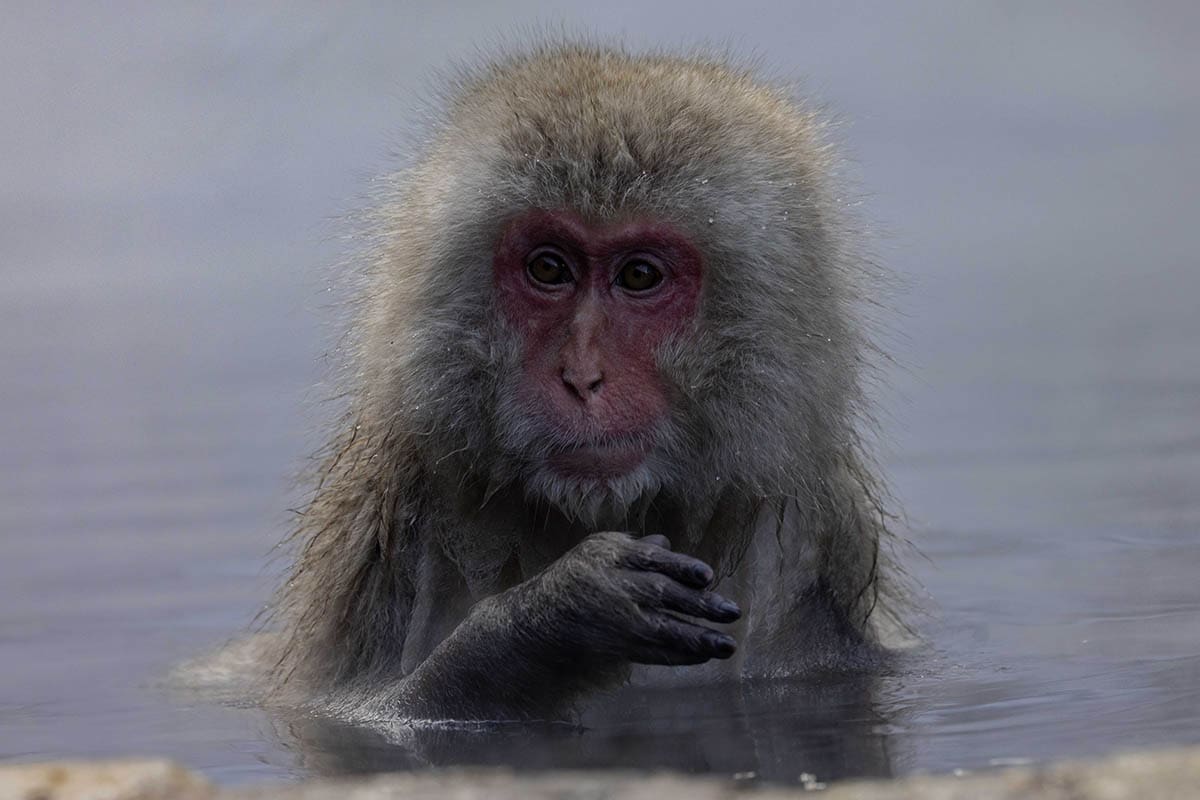
Snow Monkeys in Jigokudani Monkey Park
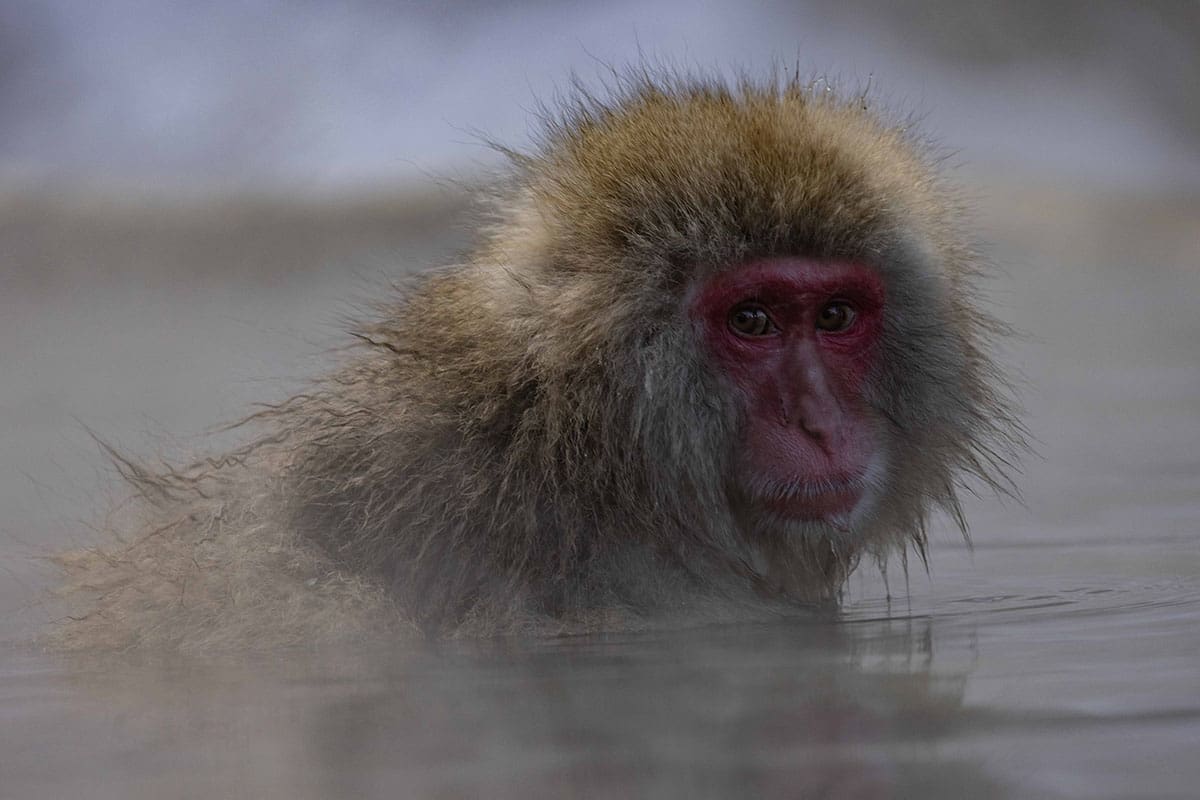
The snow monkeys in Japan’s Jigokudani Monkey Park are a must-see, thanks to their appearance on Sir David Attenborough’s ‘Frozen Planet.’
Hokkaido is Japan’s Siberia, and temperatures can plummet to a mind-boggling -20 degrees Celsius. The snow monkeys (more properly Japanese macaques) discovered that geothermal activity warmed the streams and pools around Jigokudani and used them as relief from the blistering cold.
Today, food drops into tourist-friendly pools reinforce this behaviour. This ensures that point-blank views are available to everyone who visits.
The park is about 1 mile from the car park and bus stops. This forest walk is simple for most of the year, but winter is a different story. When it snows (as it inevitably does in Hokkaido), the path can become extremely slippery. Ambulances dealing with falls are almost as regular a sight as the snow monkeys! I recommend the use of walking poles and/or crampons for winter visits.
Best Time to Visit
The park is open all year round, but the winter months, December to March, offer the most photogenic conditions.
Whale Watching in Okinawa
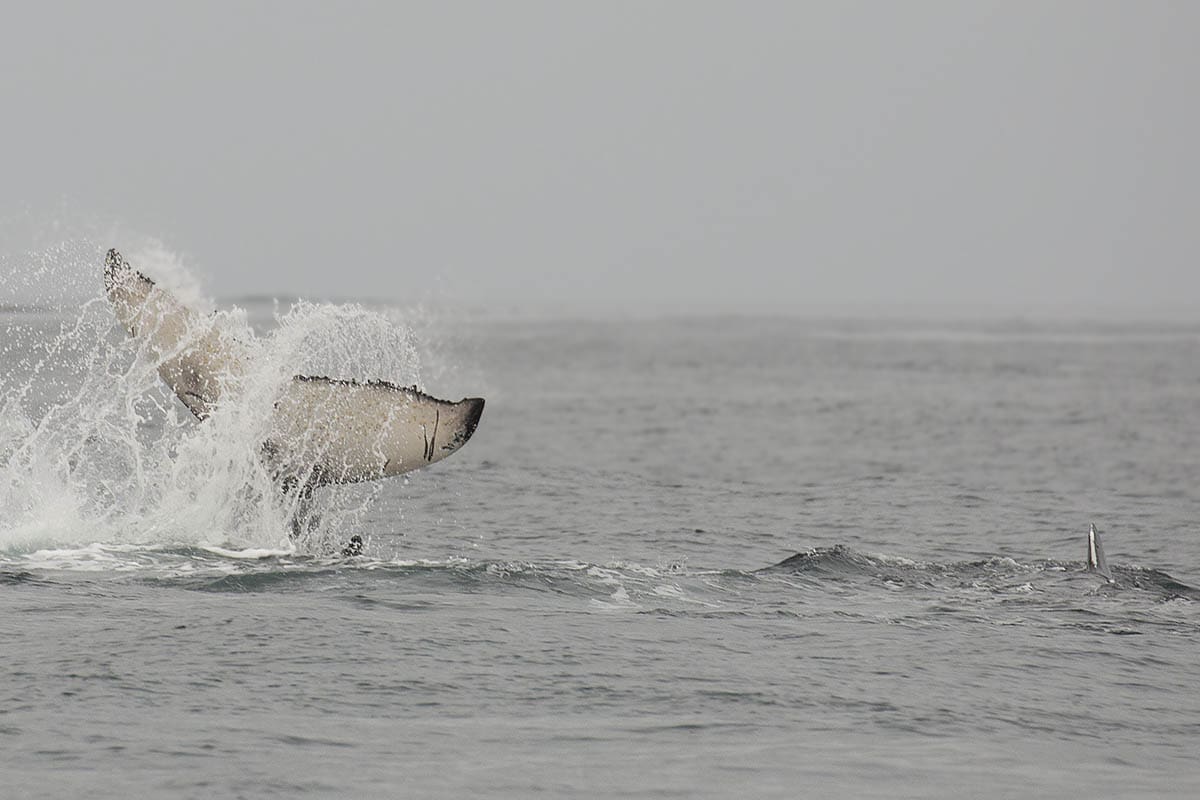
Japan is a country of islands, over 14,000 of them, but with over 2,300 miles between the north and south, they are very different. The southern islands feature warm waters that provide humpback whales with perfect breeding conditions.
Between January and March, visitors can see these mighty creatures in the waters around Okinawa. Pelagic trips run during this period, allowing wildlife lovers the best views of these giants of the deep. Seeing a huge humpback whale breach close to the boat is an exhilarating sight.
Having said that, prioritising the whale’s welfare is essential. Please make sure that you select a local operator that follows strict whale-watching guidelines. Ethical operators keep the boat a safe distance from the whales, minimising the stress on the animals.
If you’re looking for marine encounters, whale watching in Okinawa is easily one of the best wildlife experiences in Japan.
Best Time to Visit
The best time to see humpback whales in Japan is during the breeding season between January and March.
Red-crowned cranes in Hokkaido
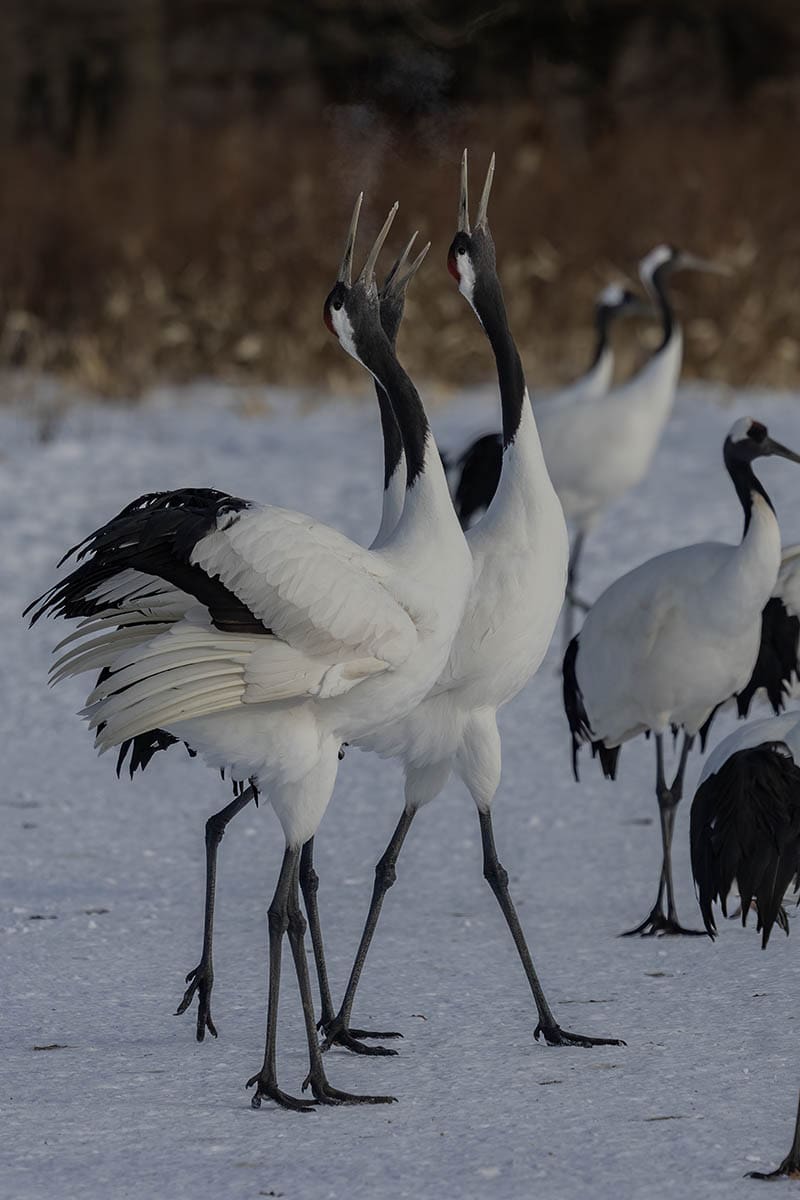
Red-crowned cranes are among Japan’s most revered animals. They symbolise longevity and good fortune and are a constant symbol in Japanese art. Almost hunted to extinction, Japan’s largest bird is now protected as a Special Natural Monument.
During Hokkaido’s brutal winter months, feeding sites help support the welfare of the cranes. These have the effect of concentrating the cranes in certain locations, making them easy to see.
The Akan International Crane Centre is the best place to see red-crowned cranes. This research centre attracts almost 2000 birds through a winter-feeding programme. Visitors can watch them at close range as they feed, preen and trumpet. Another popular site is the Kushiro Shitsugen National Park.
Seeing these elegant birds is one of the best wildlife experiences in Japan.
Best Time to Visit
Winter (December to February) is ideal, when cranes gather at feeding stations against a backdrop of snow-covered wetlands.
Steller’s Sea Eagles at Rausu, Hokkaido
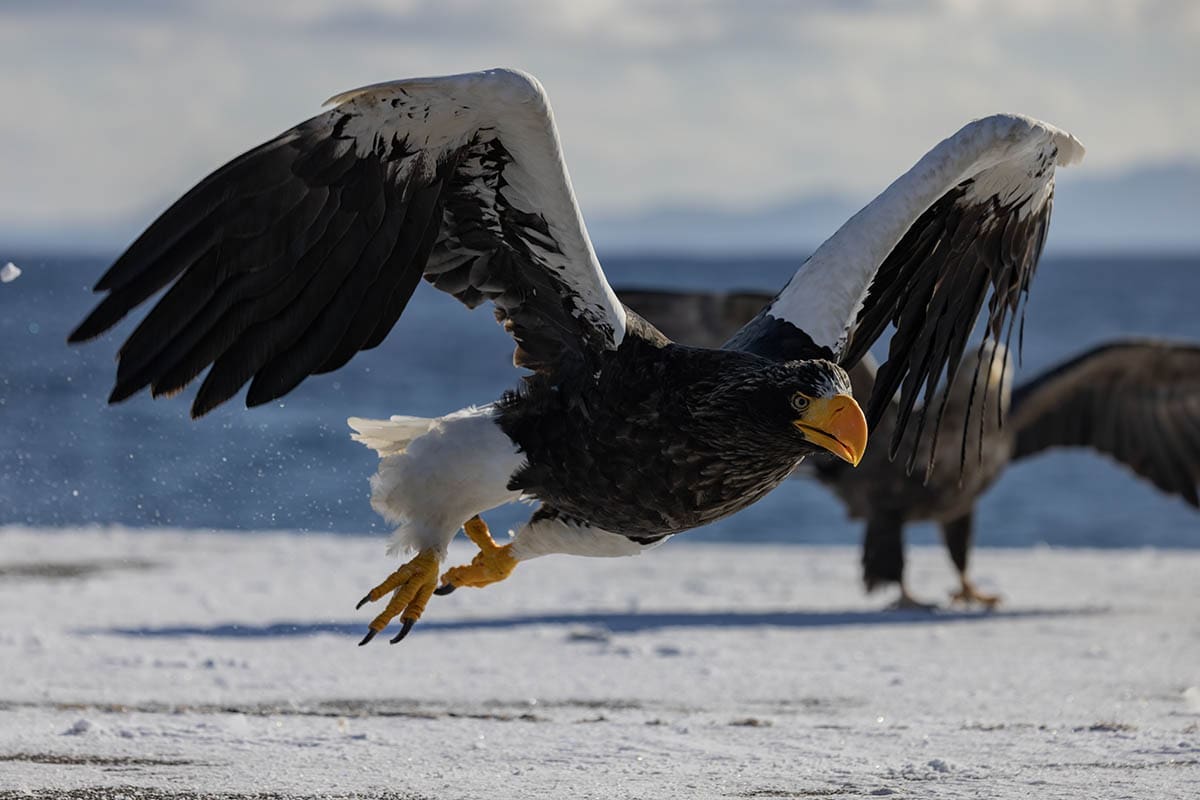
When winter hits Hokkaido and the pack ice arrives, Rausu is the place to be for eagles. This area is the best place to view the massive Steller’s sea eagles and the similarly impressive white-tailed sea eagles.
Boat trips are run out of the harbour at Rausu to the pack ice where the eagles wait. The boat crew flings fish scraps onto the ice, and the eagles wheel and fight for the food. If the pack ice hasn’t arrived, the pelagic still runs with the fish being thrown into the water. The birds know this, and hundreds can be seen at the same time. The eagles of Rausu are a spectacular sight that should be on the bucket list for any wildlife lover.
Finally, the boat pulls up to the harbour wall where many eagles sit, giving point-blank views of these spectacular creatures.
Wild Bears in Shiretoko National Park
Shiretoko Peninsula, a UNESCO World Heritage Site, is one of Japan’s wildest and least developed regions. Shiretoko derives from the Ainu, Japan’s indigenous people, and means ‘The end of the Earth’.
The Shiretoko peninsular is also home to one of the highest densities of brown bears in the world. The best time to see bears at Shiretoko is from early May to September. All bears, including those with cubs, will be active after winter hibernation.
The optimum way to see brown bears is on a small boat tour from Rausu or Utoro. The small boats allow the captains to get in close to shore for stunning views of the bears. Check for ethical tours that limit boat noise and the time spent with specific bears to minimise disturbance.
Other sightings possible depending on the time of year are Steller’s sea eagle, White-tailed Sea eagle, Steller’s sea lion, Sika deer, and red fox.
Best Time to Visit
May to September, with peak sightings in early summer.
For raw wilderness, Shiretoko delivers one of the best wildlife experiences in Japan.
Deer in Nara Park
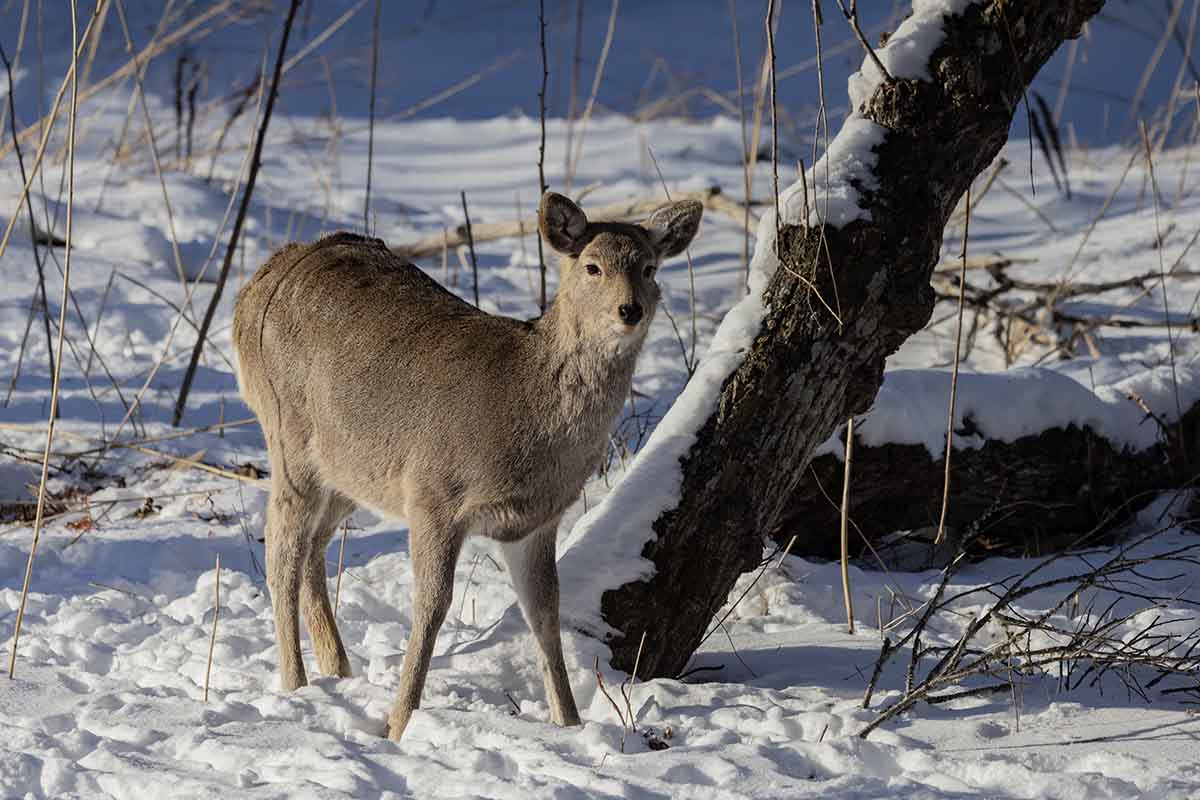
Nara Park is a special place. Over 650 hectares of parkland holding Shinto temples and with a thousand sika deer roaming free and unafraid amongst the visitors, temples and shrines. Shinto followers believe sika deer are sacred messengers of the gods and have revered them for centuries.
Feeding the deer is one of the chief attractions of Nara Park, with crackers available for sale throughout the park at special stalls. Typically for Japan, crackers are also now available from vending machines. The crackers use deer-friendly ingredients, and you should not feed the animals anything else.
The deer aren’t the park’s only attraction. It also features seven spectacular Shinto temples, a beautiful Japanese garden, museums, and art galleries.
You can find human-friendly snacks in the park’s tea houses if you’re hungry from feeding the deer.
When to Visit
The deer are present all year round, but visitors in spring will get to see the new fawns at their cutest.
Blakiston’s Fish Owl – Rausu, Hokkaido
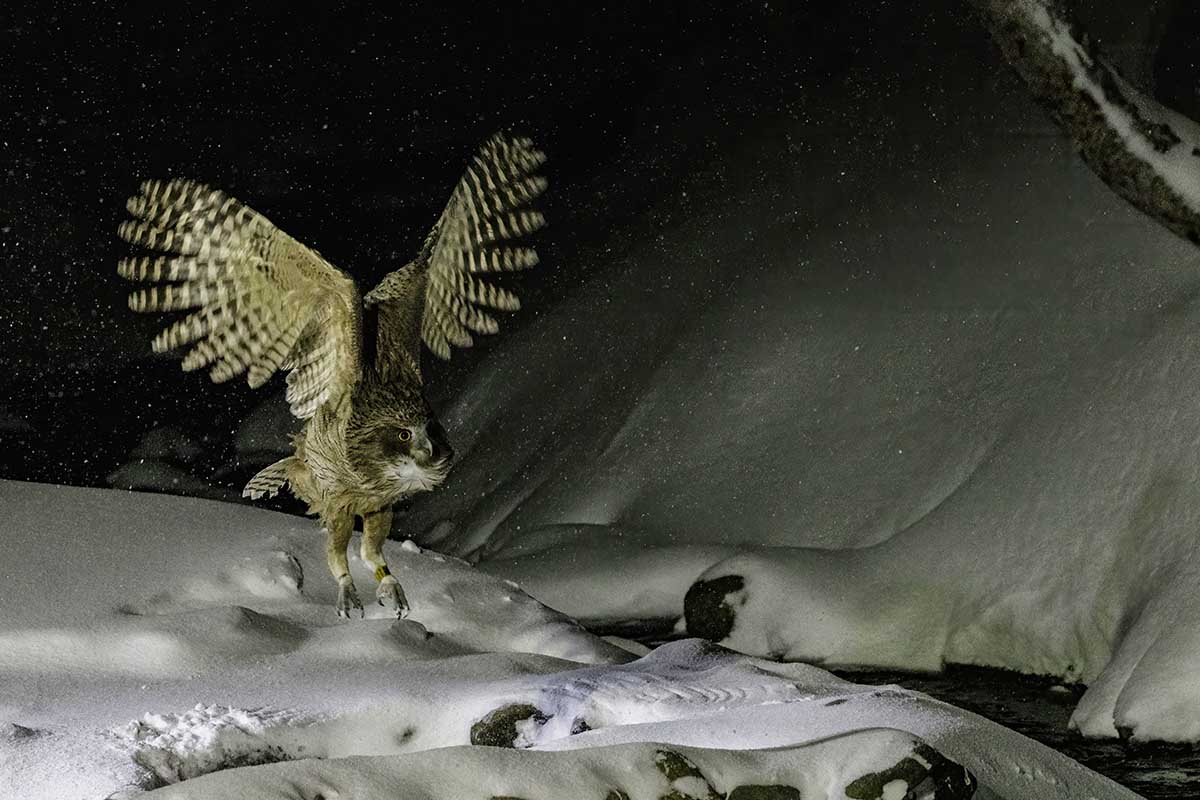
The Blakiston’s fish owl is a beast of a bird. It’s considered the largest owl in the world and is on most bird watcher’s most wanted lists. The Japanese population is quite small, estimated at only 140, with the rest (about 1400) in Russia.
Unfortunately, they’re a tough bird to see, and without help, the only inkling you’re likely to get of their presence is the sets of flags on bridges. There used to be an issue with owls taking off from rivers and getting hit by cars. The flags force them to fly higher, a simple solution to the problem.
Fortunately, a family in Rausu has set up a feeding site. They’ve built a pool in the river which is seeded with live fish and lit with a strobe lighting system. The owls come in after dark and jump into the pool feet first to snag the fish in their talons.
The accommodation is basic but comfortable and has superb views of the pond. There’s a cabin where (pre-booked) food is served overlooking the pond. Alternatively, photographers may want to camp out in “the bus”, an unusual hide overlooking the pool. It has heaters, which keep the freezing Hokkaido winter at bay, and the owls often fly up the stream towards it. The strobe lighting means specific camera settings must be used, but the owners will help with this.
When to Visit
Winter visits are the best. The owls are present all year, but watching them on snow-covered ground is irresistible. It’s also easy to combine with Hokkaido’s other winter wildlife spectaculars.
See Thousands of Cranes on Kyushu
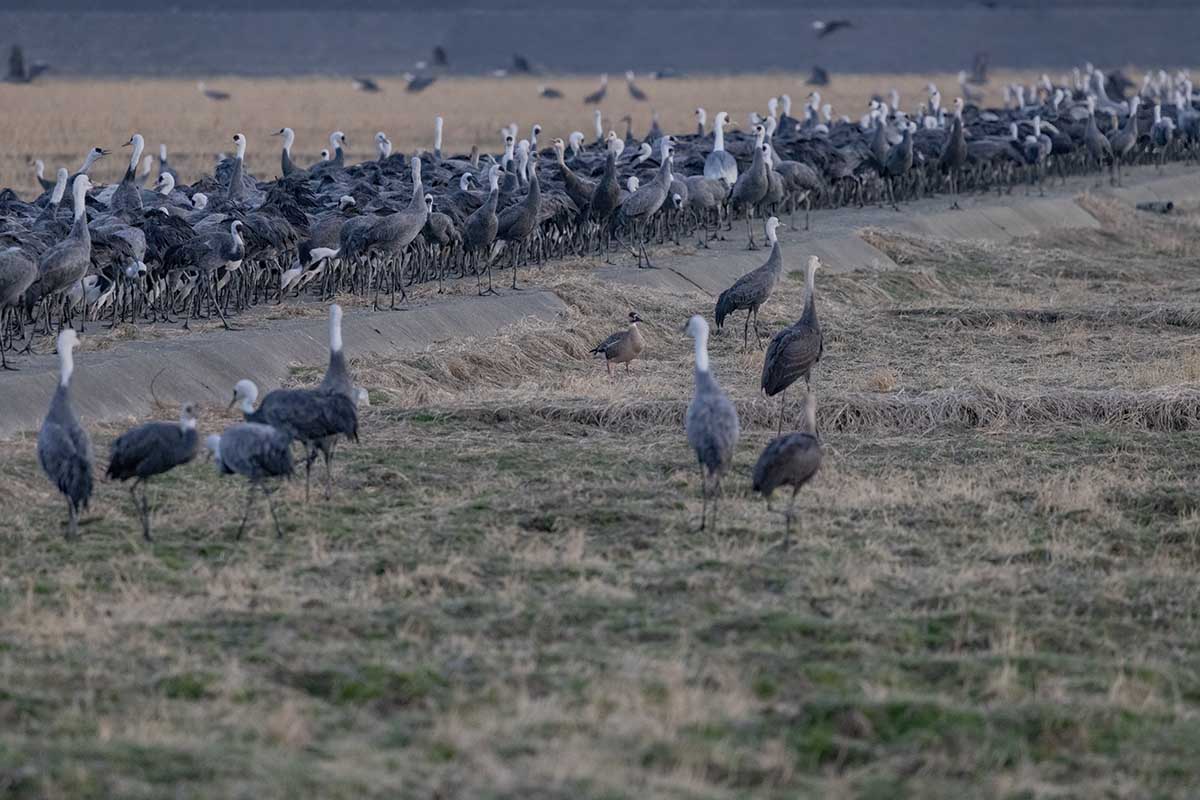
For crane lovers, there is no better place in the world than the Izumi Crane Observation Centre in Kagoshima Prefecture on Kyushu. Hokkaido’s red-crowned cranes may have cultural significance, but if it’s numbers you’re after, Izumi is the place for you.
Get to Izumi just before dawn on a crisp winter morning. The sound of ten thousand cranes in such a small area is one of the great wildlife experiences, not just of Japan, but of the entire globe.
The main species here are white-naped and hooded cranes, but with luck and careful scanning, up to six species of crane can be seen, making it a must for wildlife lovers and one of the best wildlife experiences in Japan.
When to Visit
Winter, when the cranes congregate for the food put out for them.
Birdwatching in the Nansei Islands
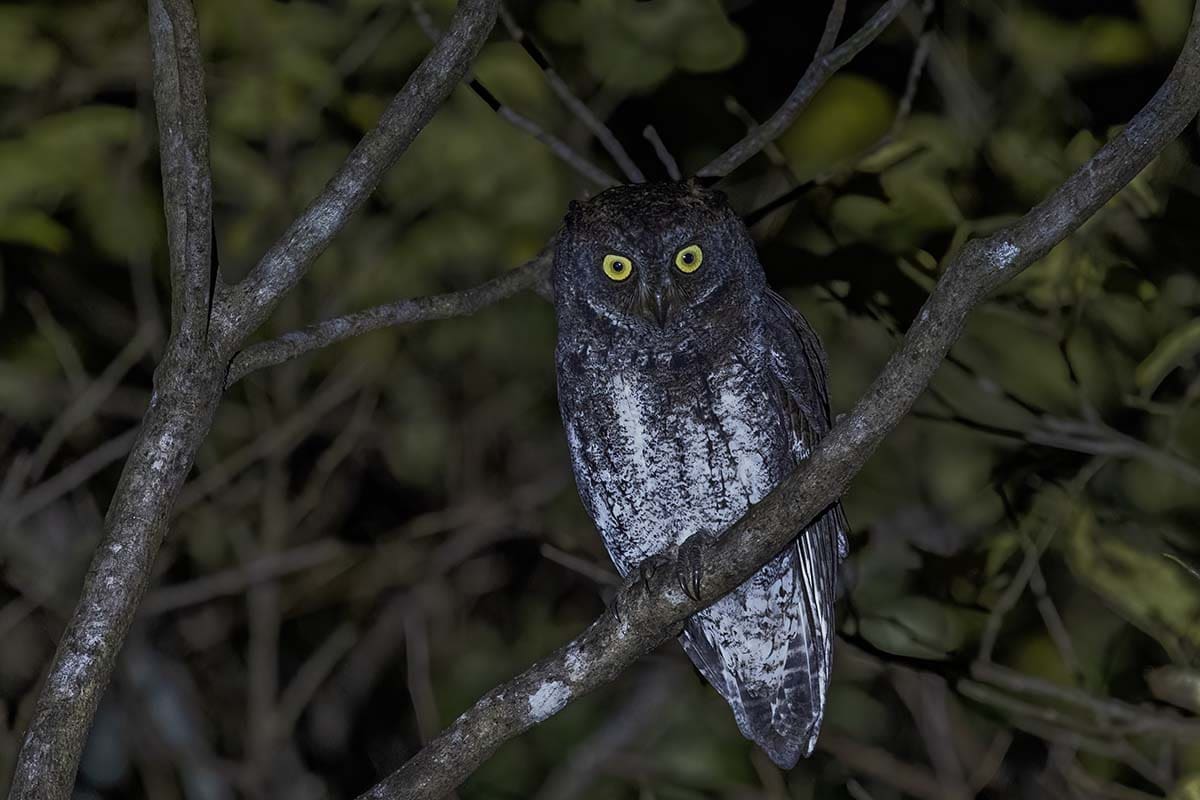
Island chains are often rich in biodiversity, and Japan is no different, particularly regarding bird life. The country boasts around 20 endemic bird species, and many more endemic subspecies. BirdLife International recognises three endemic regions in Japan, the Izu Islands, the Ogasawara Islands, and the Nansei (Ryukyu) Islands.
The latter is especially interesting for birders, with a significant number of very special bird species localised here.
Okinawa is a great place for birdwatchers to start their island exploration because of its good transport links from Tokyo. Several interesting species are possible here, including an endemic species of Japanese scops owl, Okinawa woodpecker, and the elusive Okinawa Rail.
A short flight north to the island of Amami offers several other species with tiny range maps. The Amami woodcock, Amami thrush, Amami jay, and Amami woodpecker (an endemic subspecies, often considered a distinct species) can all be found, as the names suggest, on the island of Amami.
The islands offer other treats for wildlife lovers. The Ryukyu long-furred rat, Ryukyu flying fox, and the Amami black rabbit, an incredibly ancient species, can all be found here with a little effort.
Add to this Okinawan history and excellent cuisine, and birdwatching in the Nansei Islands is one of the best wildlife experiences in Japan.
Best Time to Visit
Spring and early summer offer the greatest bird diversity.
Sea Turtles on the Ogasawara Islands
Wildlife lovers looking for an ‘off the beaten track’ adventure should look at the Ogasawara Islands. Located 1000 miles from Tokyo and accessible by a 24-hour ferry, the islands reward the intrepid traveller with an unspoiled marine wonderland.
Often described as the ‘Galapagos of Japan’, the island’s isolation has led to remarkable biodiversity. It is one of only three endemic bird areas in Japan and boasts several endemic species and subspecies.
The star of the Ogasawara show is, however, the marine life. The islands are an internationally important nesting site for the endangered green sea turtle. Wildlife enthusiasts can take night excursions to watch the turtles lay eggs in the sand. Opportunities also exist to help the Ogasawara Marine Centre release baby turtles back into the sea under the stars.
Snorkelling and diving are excellent in the waters around Chichijima and Hahajima, the two inhabited islands of the archipelago. The clarity of the water around the island is renowned, and the sea teems with tropical fish, turtles, and sometimes reef sharks.
Best Time to Visit
June to August for nesting season.
When is the Best Time for Wildlife Experiences in Japan?
Japan has something for wildlife enthusiasts whatever the month, but timing your trip is important if you have specific targets in mind.
Spring
Spring in Japan is best for those interested in bird migration and seeing the newborn fawns in Nara Park.
Summer
Bear activity peaks in Shiretoko, and these months are best for whale watching and marine life. This is also high season for green turtles coming ashore to lay their eggs on the Ogasawara Islands.
Autumn
The months of September and October are another great time for birdwatching, with the autumn migration in full flow. Nara’s Sika deer are rutting too.
Winter
The Siberian winter conditions on Hokkaido host extraordinary wildlife. Brave the Arctic conditions to see Steller’s sea eagles and red-crowned cranes.
Planning your trip around seasonal highlights will ensure you experience the best wildlife experiences in Japan at their peak.
Responsible Wildlife Travel in Japan
Japan places strong emphasis on respectful tourism, and visitors should do the same:
- Observe animals from a safe distance.
- Never feed wildlife unless explicitly permitted.
- Choose licensed, ethical tour operators.
- Follow local rules and signage.
By travelling responsibly, you help protect these species for future generations.
Final Thoughts: Discover Japan’s Wild Side
Japan may be famous for its cities, but its natural wonders are just as fascinating. From icy wetlands and misty forests to coral reefs and open seas, the country offers wildlife encounters that rival anywhere in the world.
Whether you’re watching cranes dance in the snow, listening for birds in ancient forests or spotting whales from a boat, the best wildlife experiences in Japan reveal a quieter, wilder side of this endlessly fascinating country.
If you’re planning a trip that goes beyond the usual tourist trail, let Japan’s wildlife lead the way. You might just discover the most memorable moments of your journey there.
Latest Posts from Asia

Nature & Wildlife Posts