
Welcome to this Japan travel guide. This is your jumping-off point to my blog posts on the Land of the Rising Sun.
Japan is an incredible country, and one that every traveller should have on their bucket list.
Japan is a country with a unique culture. Its cuisine is extraordinary and unlike anything found elsewhere. Despite its image of ultramodern megacities and technological marvels like the bullet train, it’s also a culture deeply in touch with its natural resources.
The Do Not Go Gently Travel Blog uses affiliate links. If you make a purchase after clicking on one of these links, I may receive a small commission payment at no extra cost to you.
Hotels – Booking.com
Tours and Activities – Get Your Guide and Viator
Flights – Trip.com
Travel Guide – Japan 2026 (DK)
Bird Field Guide – Field Guide of the Birds of Japan (Helm)
Latest Posts from Japan


Japan Travel Guide – All you need to know about Japan
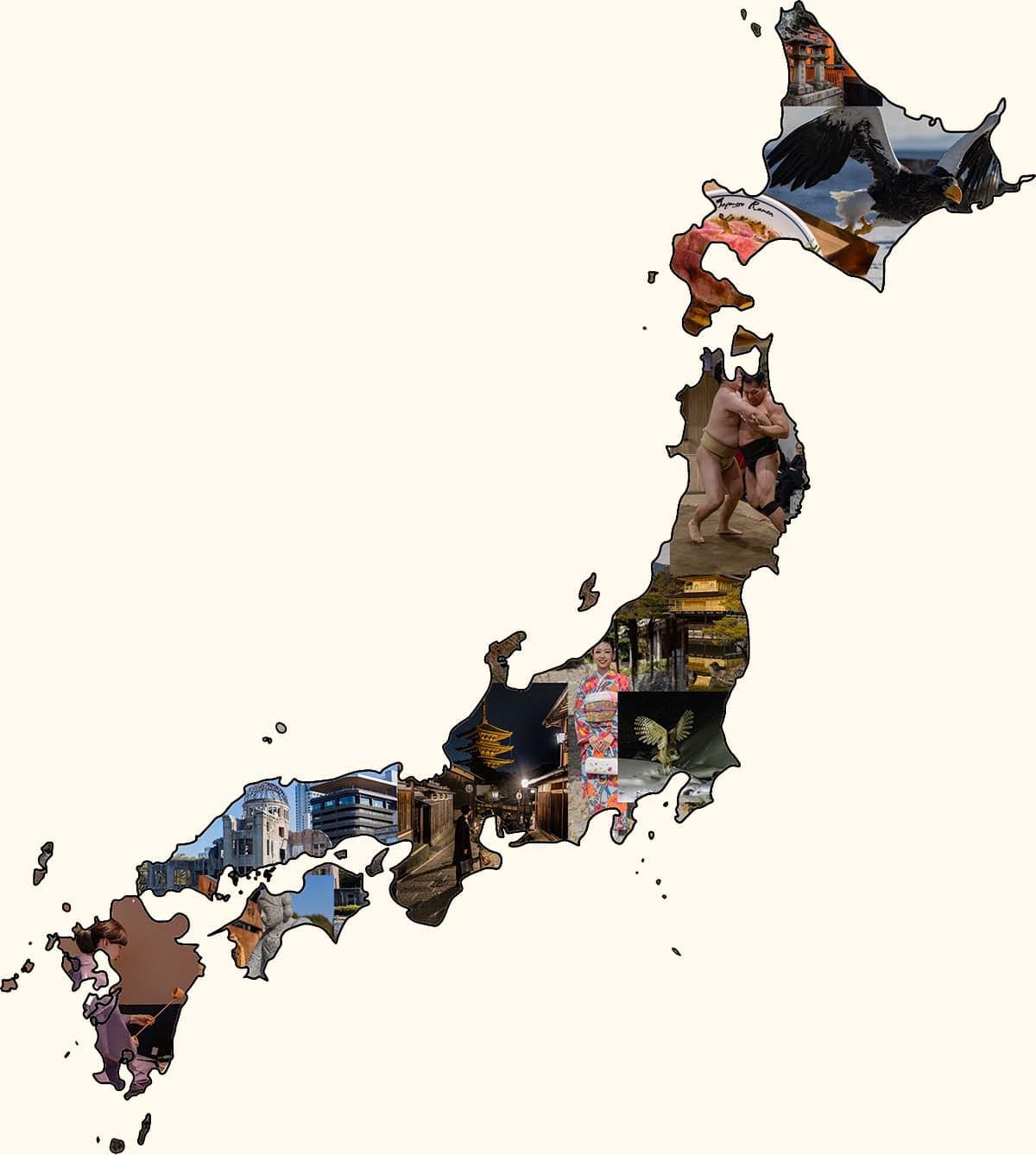
Japan Travel Guide: History, Culture, Cities, Seasons, Food and Wildlife
Japan is a destination that captivates travellers with its extraordinary contrasts. One moment you’re walking through a tranquil bamboo forest, the next you’re crossing one of the busiest intersections in the world. This comprehensive Japan Travel Guide is designed to help you understand not just where to go, but why Japan is such a unique and rewarding place to explore. From its rich history and deeply rooted culture to its vibrant cities, changing seasons, exceptional food, and diverse wildlife, this guide covers everything you need to plan an unforgettable trip.
A Brief History of Japan
Japan’s history stretches back thousands of years and has shaped the country’s distinctive identity. Early Japanese civilisation was influenced by China and Korea, particularly in writing, religion and governance. Over time, however, Japan developed its own unique cultural traditions.
One of the most defining periods was the era of the samurai, when military rulers known as shoguns held power. This feudal system lasted for centuries, shaping Japanese society and values such as discipline, honour, and loyalty.
In the late 19th century, Japan underwent rapid modernisation during the Meiji Restoration, transforming from a feudal society into an industrialised nation. By the 20th century, Japan had become a major global power, though this period also included the devastation of the Second World War.
Post-war Japan rebuilt itself into one of the world’s leading economies, known for innovation, technology, and global cultural influence. Today, visitors can see traces of every era—from ancient temples and castles to cutting-edge cities.
Japanese Culture: Tradition Meets Modern Life
Japanese culture is a fascinating blend of old and new. Traditions are deeply respected, yet innovation is embraced in everyday life.
Respect and Etiquette
Politeness and respect are central to Japanese society. Bowing is a common form of greeting, and there is a strong emphasis on harmony and consideration for others. Visitors will notice quiet public transport, orderly queues, and a general sense of calm even in busy areas.
Religion and Spirituality
Japan’s spiritual life is shaped by Shinto and Buddhism. Shinto shrines, often marked by torii gates, honour nature spirits. Buddhist temples provide spaces for reflection and meditation. Many Japanese people observe both traditions.
Arts and Traditions
Traditional arts such as tea ceremonies, calligraphy, and ikebana (flower arranging) remain important cultural practices. Meanwhile, Japan is also a global leader in contemporary culture, including fashion, design, anime, and gaming.
Exploring Japan’s Cities
Japan’s cities each offer a unique perspective on the country’s identity. Whether you’re seeking history, food, nightlife or nature, there’s something for everyone.
Tokyo
Tokyo is a city of contrasts, where ancient temples sit alongside futuristic skyscrapers. Districts like Shibuya and Shinjuku are famous for their energy and nightlife, while Asakusa provides a glimpse into traditional Japan. Tokyo also offers world-class shopping, museums, and dining.
Kyoto
Kyoto is the cultural heart of Japan. Once the imperial capital, it is home to thousands of temples and shrines. Visitors can explore historic districts like Gion, where geisha traditions are still preserved, and wander through iconic sites such as bamboo groves and Zen gardens.
Osaka
Osaka is known for its friendly atmosphere and incredible food scene. Often described as Japan’s kitchen, it’s the perfect place to try local dishes such as takoyaki and okonomiyaki. The city also boasts vibrant nightlife and entertainment districts.
Hiroshima
Hiroshima is a city of reflection and resilience. The Peace Memorial Park serves as a powerful reminder of history, while nearby Miyajima Island offers stunning natural beauty and one of Japan’s most famous torii gates.
Sapporo
Located in Hokkaido, Sapporo is famous for its winter sports, snow festivals, and fresh seafood. It’s a great base for exploring Japan’s northern landscapes.
Seasons in Japan
Japan’s four distinct seasons play a major role in shaping travel experiences. Each season offers its own beauty and activities.
Spring (March–May)
Spring is synonymous with cherry blossoms. Parks and streets across the country are filled with blooming sakura, creating breathtaking scenery. This is one of the most popular times to visit, so expect crowds.
Summer (June–August)
Summer in Japan is warm and humid, but it’s also a lively time filled with festivals, fireworks, and outdoor events. Coastal areas and mountainous regions provide some relief from the heat.
Autumn (September–November)
Autumn is a favourite for many travellers due to its mild weather and vibrant foliage. Leaves turn brilliant shades of red, orange and gold, especially in temple gardens and national parks.
Winter (December–February)
Winter brings snow to northern regions and the Japanese Alps, making it ideal for skiing and snowboarding. It’s also the perfect time to enjoy onsen (hot springs), particularly in scenic outdoor settings.
Japanese Food: A Culinary Journey
Food is one of the highlights of any Japan Travel Guide. Japanese cuisine is renowned for its quality, presentation, and attention to detail.
Iconic Dishes
- Sushi and sashimi: Fresh seafood prepared with precision
- Ramen: A comforting noodle soup with regional variations
- Tempura: Lightly battered and fried seafood or vegetables
- Udon and soba: Thick and thin noodle dishes
- Okonomiyaki: A savoury pancake filled with various ingredients
Street Food
Street food is an essential part of Japanese cuisine. Popular options include takoyaki (octopus balls) and yakitori (grilled skewers). Each region has its own specialities, making food exploration a key part of travel.
Dining Culture
Meals in Japan are often a social and cultural experience. From casual noodle shops to traditional kaiseki dining, there is something for every budget. Convenience stores also offer surprisingly high-quality meals at affordable prices.
Wildlife and Nature in Japan
While Japan is known for its cities, it also boasts diverse natural landscapes and wildlife.
National Parks and Landscapes
Japan’s terrain includes mountains, forests, coastlines, and volcanic regions. National parks such as those in Hokkaido and the Japanese Alps offer excellent hiking, wildlife spotting, and scenic views.
Unique Wildlife
- Japanese macaques (snow monkeys): famous for bathing in hot springs during winter
- Sika deer: found in places like Nara, where they roam freely
- Red-crowned cranes: symbolic birds often seen in northern Japan
- Marine life: coastal areas provide opportunities for whale watching and diving
Seasonal Nature Experiences
Nature changes dramatically with the seasons. Cherry blossoms in spring, lush greenery in summer, colourful leaves in autumn, and snowy landscapes in winter all provide unique opportunities for exploration and photography.
Practical Travel Tips
Getting Around
Japan’s transport system is efficient and reliable. The Shinkansen (bullet train) connects major cities, while local trains and buses make it easy to explore smaller areas.
Accommodation
Options range from luxury hotels to traditional ryokan inns and budget-friendly hostels. Staying in a ryokan is a great way to experience Japanese hospitality and cuisine.
Language
While English is spoken in many tourist areas, learning a few basic Japanese phrases can enhance your experience and is greatly appreciated by locals.
Money
Japan is increasingly card-friendly, but it’s still advisable to carry some cash, especially in rural areas.
Final Thoughts
Japan is a destination that offers endless possibilities. Whether you’re drawn by its history, fascinated by its culture, excited by its cities or inspired by its natural beauty, this Japan Travel Guide provides everything you need to begin your journey.
From the quiet serenity of a temple garden to the vibrant energy of a city street, Japan invites you to explore, discover, and experience something truly unique. With thoughtful planning and an open mind, your trip to Japan will be not just a holiday, but a lasting memory filled with wonder and inspiration.